


Could Distributed Peer Review Better Decide Grant Funding?
The landscape of academic grant funding is notoriously competitive and plagued by lengthy, bureaucratic processes, exacerbated by difficulties in finding willing reviewers. Distributed […]
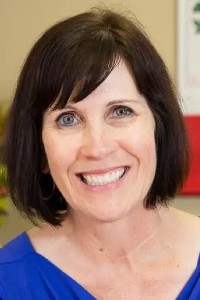
After a two-year vacancy, the United States Office of Research Integrity has named a permanent director. Sheila Garrity.

Chapters in books are, thanks to digital open access, once again rivalling journal articles in their visibility to academic communities, their usefulness as teaching resources and in their ability to tackle innovative and state of-the-art topics.
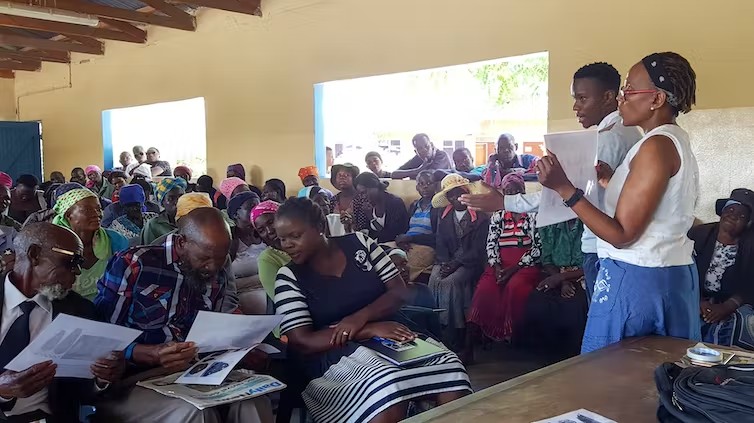
In the words of of one Botswanan: “There is a lot of mistrust. People come here with their research vehicles, but they do not talk to us. They do not involve us.”
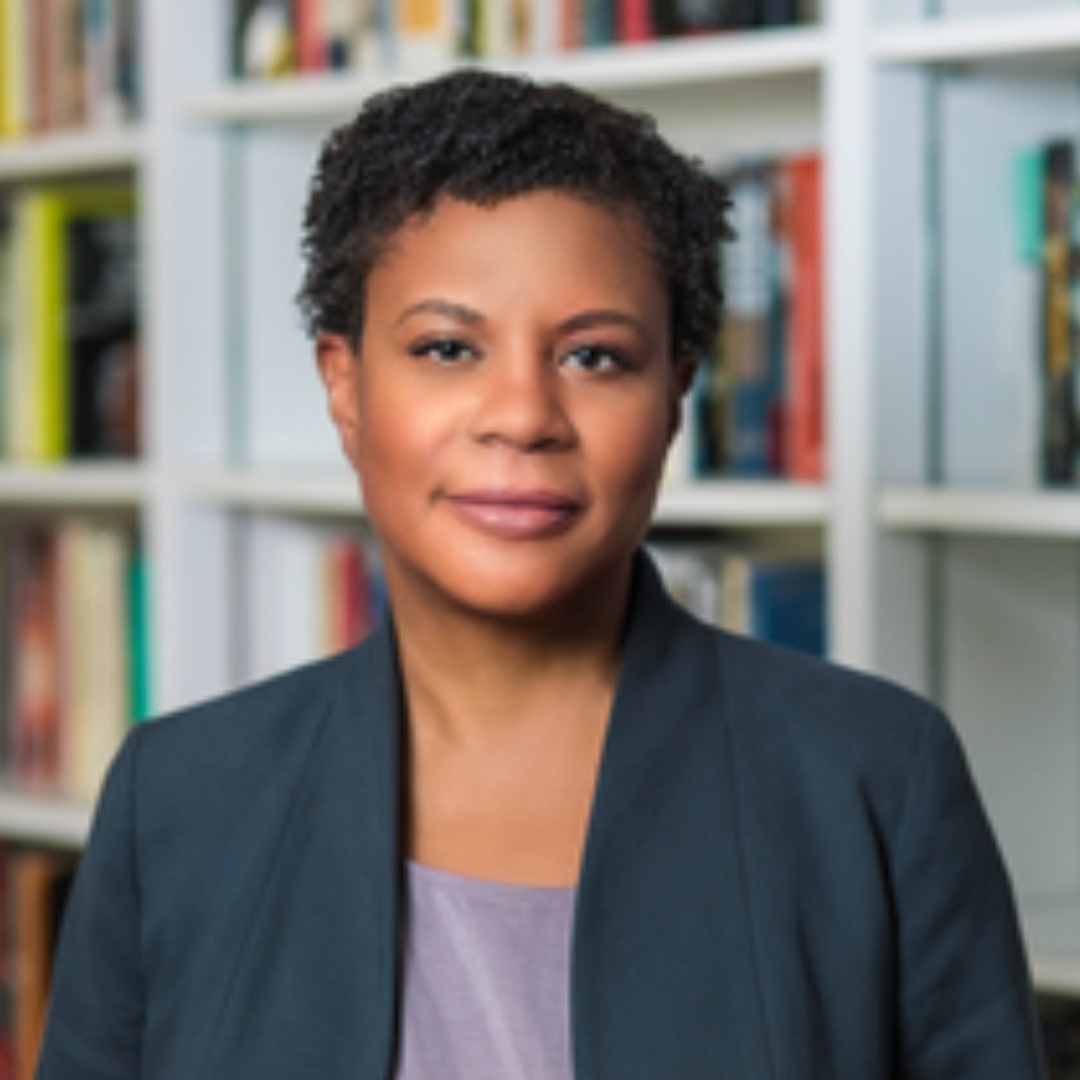
Sociologist Alondra Nelson, deputy director of the White House Office of Science and Technology Policy and the most senior adviser on social science in the Biden administration, will resign her post effective February 10.
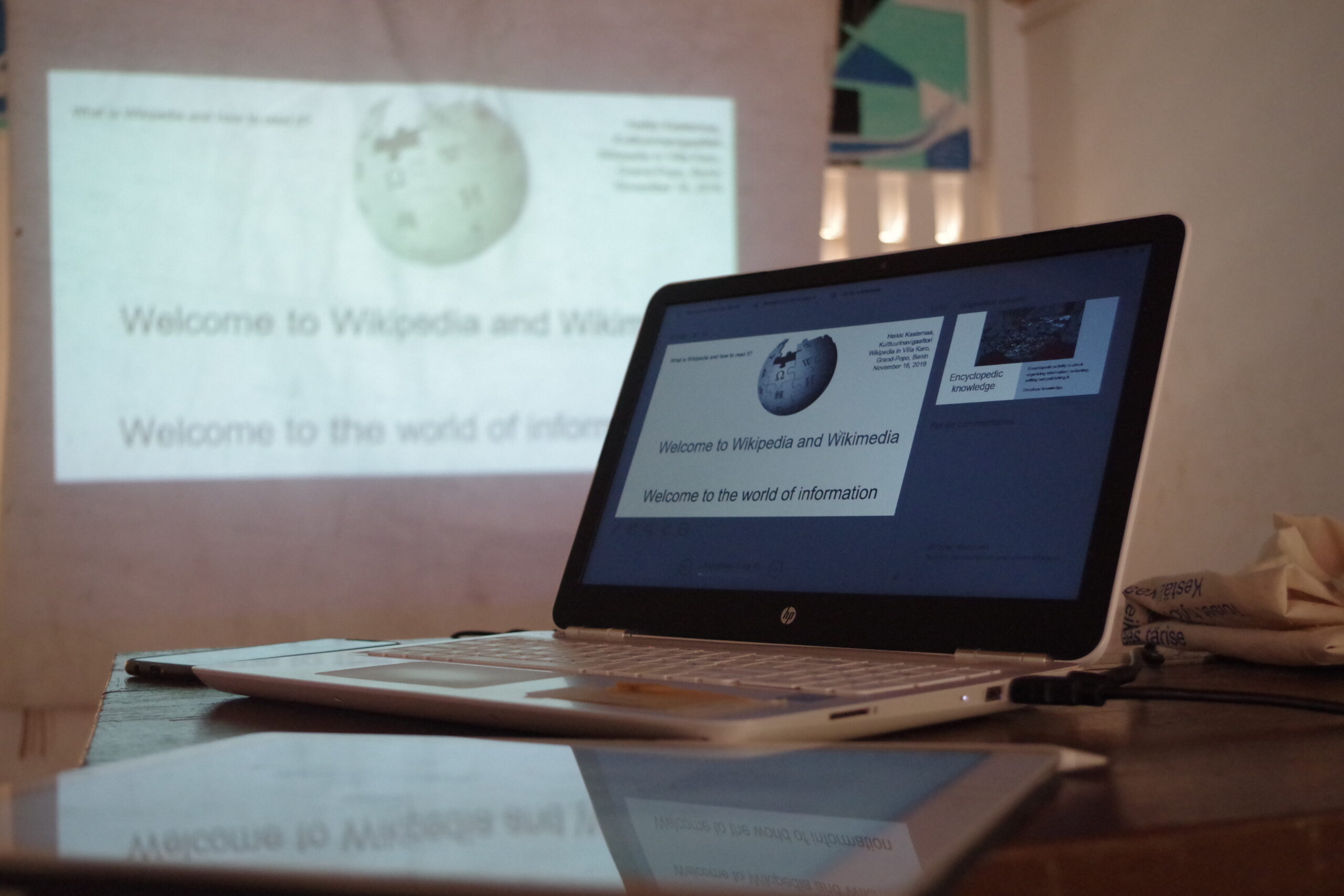
SAGE Publishing is hosting an inaugural Women in Social & Behavioral Science Wikipedia Edit-a-thon on March 8, which is International Women’s Day
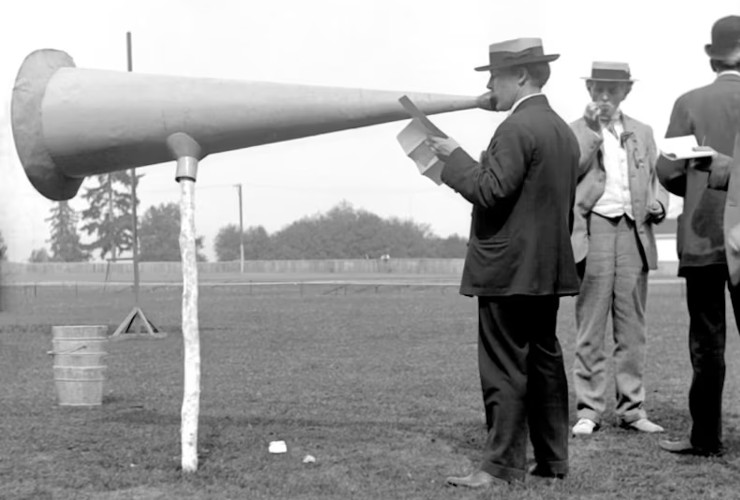
Reflecting on the ongoing professionalisation of academic communication and increased opportunities for researchers to engage, Andy Tattersall argues researchers and research funders should be mindful of the communication requirements of their projects and factor them into their bids and tenders.

The American Sociological Association recently released a statement “urg[ing] public officials, educators, and lawmakers to avoid suppressing knowledge, violating academic and free speech, and prohibiting scholars and teachers from discussing and teaching about the roles of race and racism in society.
Simone Natale and Leah Henrickson draw on their research into computational creativity and introduce the concept of the ‘Lovelace Effect’, to explain how creativity is often a product of social conventions and why as a consequence, educators and researchers should think carefully about what constitutes good writing in their fields.
Jürgen Habermas, a globally known social theorist whose explorations of democracy, validity and communication have gained new prominence in the current moment, […] People often see science as a world apart: cool, rational and untouched by persuasion or performance. In this view, scientists simply discover […] “Research impact” means different things to different people. Some refer broadly to how science changes behaviors, beliefs, or practices outside academic institutions. […] David Canter considers informal places where people socialize, suggesting they’re an arena ChatGPT and other LLMs can’no’t replicate. As someone who lives […] It’s become cliche since Clive Humbly coined it in 2006, but data is indeed the new oil. It’s a mantra repeated by […] In September 2025, The Guardian reported about a lawyer in Australia having faced sanctions due to false citations. These citations were not […]
EXPLORE
Impact

Jürgen Habermas, 1929-2026: Exponent of the Public Sphere
READ MORE
Scientists Should Keep in Mind It’s Called the ‘Marketplace of Ideas’ for a Reason
READ MORE

Survey Finds Social Scientists Feel Unsupported in Seeking Societal Impact
READ MORE
Innovation
Reaching Parts to Which AI Has No Access
READ MORE

Andrea Medina-Smith on Making Research Data More FAIR
READ MORE

A Status Check on Hallucinated Case Law Incidents
READ MORE