

Could Distributed Peer Review Better Decide Grant Funding?
The landscape of academic grant funding is notoriously competitive and plagued by lengthy, bureaucratic processes, exacerbated by difficulties in finding willing reviewers. Distributed […]

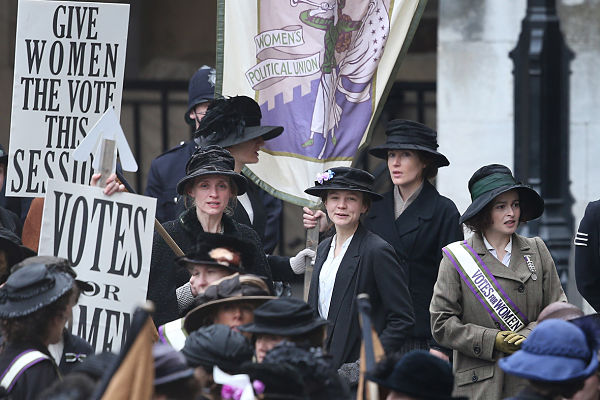
Even when the news is good — women win grants from the ESRC at the same rate as men, and those grants are actually a bit larger on average — it’s tinged with bad — because there are so few senior women in academic social sciences men still get majority of the money.
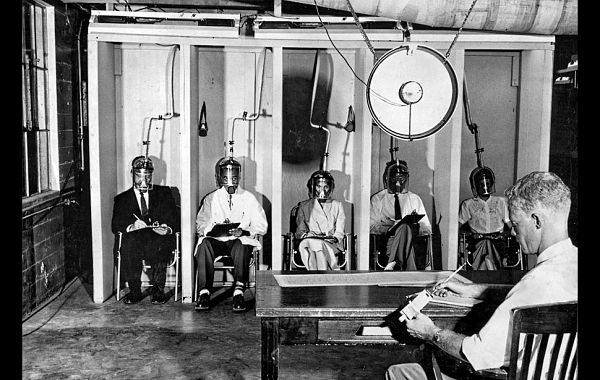
Four years in the making, a proposed version of the federal ‘Common Rule’ for research on human subjects includes a full suite of social and behavioral science-influenced directives that past versions of the rule lacked.

David Canter, editor of the ‘The Faces of Terrorism,’ questions the psychology of terrorists in the wake of the rise of ISIS.

Citing an aging population and concerns about economic competitiveness, Japan’s education ministry offers a drastic solution for the national universities: Get rid of social science and humanities departments, and do it now.
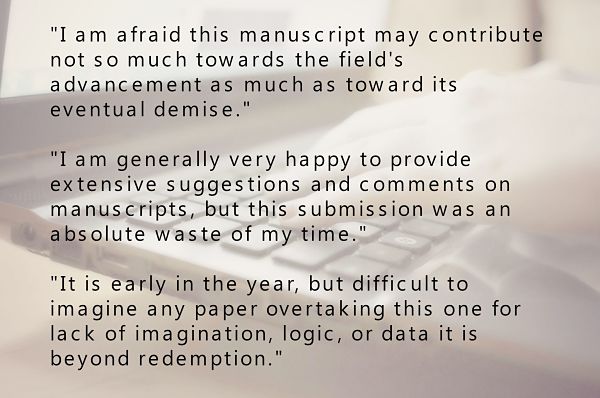
Few peer reviewers are provided with any training or mentoring on how to undertake a review, and generally learn by doing. Sometimes, though, it’s hard to navigate the line between being both critical and supportive.

The challenge of infusing the social sciences into what are generally viewed as biomedical issues has been a long and difficult one, as the recent WHO report on Ebola demonstrates. Oddly, this lesson has been learned many times before, but keeps getting forgotten.
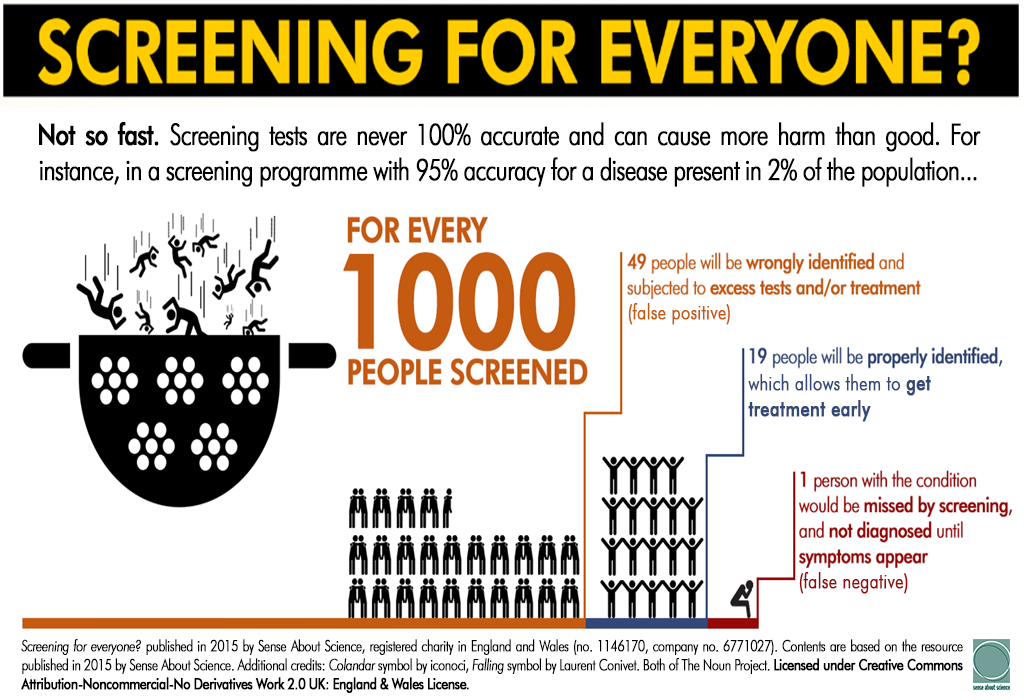
Misconceptions about how screening works, its limitations and possible harms are still being perpetuated by media stories and high profile cases, such […]
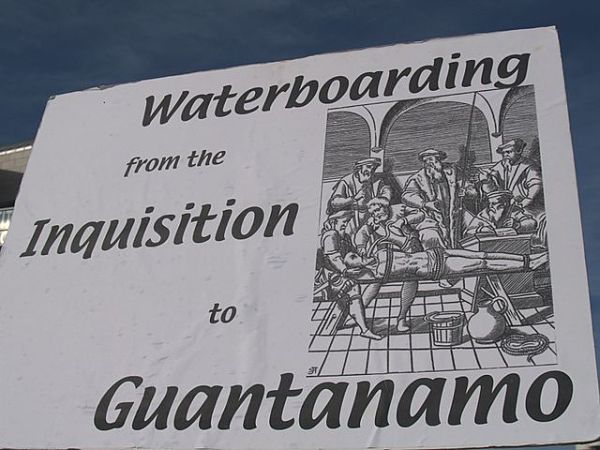
The US tortured prisoners in the ‘War on Terror.’ That that a major health care association colluded in this, argues J. Wesley Boyd, is unconscionable.

Jürgen Habermas, a globally known social theorist whose explorations of democracy, validity and communication have gained new prominence in the current moment, […] People often see science as a world apart: cool, rational and untouched by persuasion or performance. In this view, scientists simply discover […] “Research impact” means different things to different people. Some refer broadly to how science changes behaviors, beliefs, or practices outside academic institutions. […] David Canter considers informal places where people socialize, suggesting they’re an arena ChatGPT and other LLMs can’no’t replicate. As someone who lives […] It’s become cliche since Clive Humbly coined it in 2006, but data is indeed the new oil. It’s a mantra repeated by […] In September 2025, The Guardian reported about a lawyer in Australia having faced sanctions due to false citations. These citations were not […]
EXPLORE
Impact

Jürgen Habermas, 1929-2026: Exponent of the Public Sphere
READ MORE

Scientists Should Keep in Mind It’s Called the ‘Marketplace of Ideas’ for a Reason
READ MORE

Survey Finds Social Scientists Feel Unsupported in Seeking Societal Impact
READ MORE
Innovation

Reaching Parts to Which AI Has No Access
READ MORE

Andrea Medina-Smith on Making Research Data More FAIR
READ MORE

A Status Check on Hallucinated Case Law Incidents
READ MORE