

Could Distributed Peer Review Better Decide Grant Funding?
The landscape of academic grant funding is notoriously competitive and plagued by lengthy, bureaucratic processes, exacerbated by difficulties in finding willing reviewers. Distributed […]
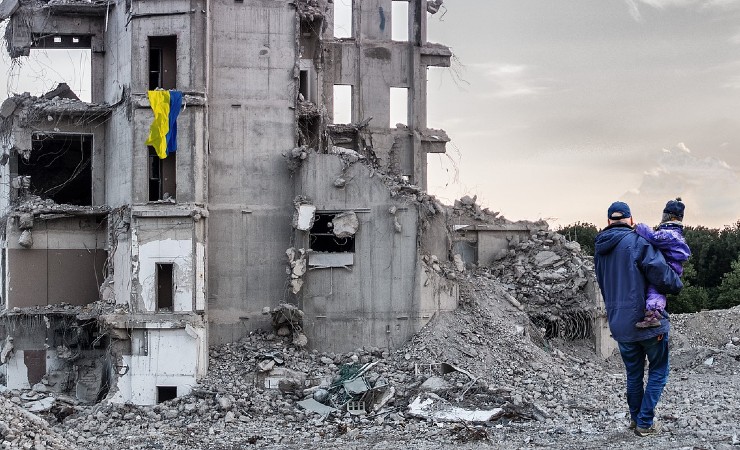
Lena Surzhko Harned is a Ukrainian American political scientist. As a specialist in Eastern Europe, she has evaluated this war over the past year from her professional perspective. Yet this war is also deeply personal.

A model is only as good as its underlying simplifying assumptions and data, notes Robert Dingwall, and in the case of testing the effectiveness of face masks to combat the spread of COVID those data are, he argues, at best fragile.
A lack of public understanding, the decline of collegiality and poor framing of the underlying issues will all make the success of planned UK university strikes unlikely, argues Daniel Nehring.

Academic freedom is simply the commonplace and understandable request of workers asking for the conditions they need to competently and effectively carry out their duties as expected, required and urgently needed by society.
UK-China academic collaboration directly involves the CCP and its representatives at the university level. Against the backdrop of the Party’s human rights abuses, argues our anonymous scholar, such collaboration seems increasingly hard to justify.
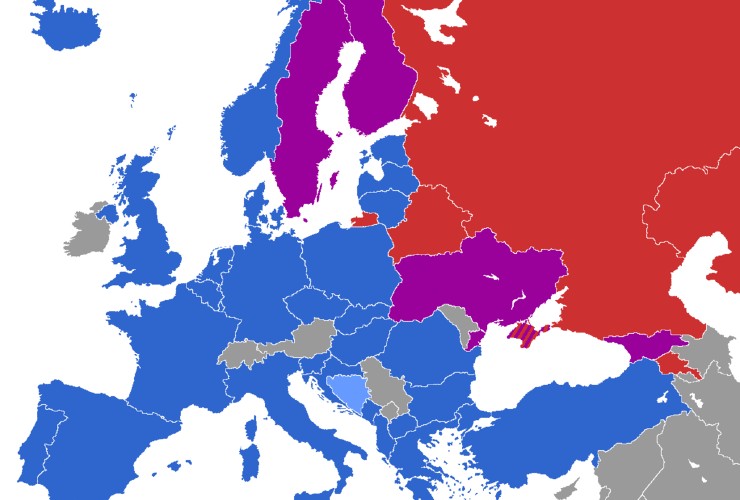
ISA may not have any great love for the richer countries of the world, argues Robert Dingwall, but its president should be capable of telling the difference between mutual aid among sovereign nations and a desire to subject other countries to external domination.
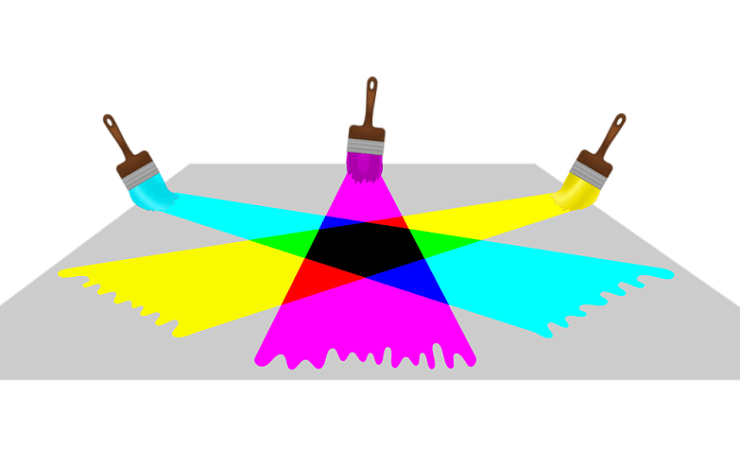
An interdisciplinary team is not a group of people trained in “interdisciplinarity.” It’s a group of people who have deep knowledge and sound judgment in their disciplines.
Steven Lubet argues that while students have the right to call for academic boycott of Israeli institutions, their university has a responsibility not to award them academic credit for doing so.
Jürgen Habermas, a globally known social theorist whose explorations of democracy, validity and communication have gained new prominence in the current moment, […] People often see science as a world apart: cool, rational and untouched by persuasion or performance. In this view, scientists simply discover […] “Research impact” means different things to different people. Some refer broadly to how science changes behaviors, beliefs, or practices outside academic institutions. […] David Canter considers informal places where people socialize, suggesting they’re an arena ChatGPT and other LLMs can’no’t replicate. As someone who lives […] It’s become cliche since Clive Humbly coined it in 2006, but data is indeed the new oil. It’s a mantra repeated by […] In September 2025, The Guardian reported about a lawyer in Australia having faced sanctions due to false citations. These citations were not […]
EXPLORE
Impact

Jürgen Habermas, 1929-2026: Exponent of the Public Sphere
READ MORE

Scientists Should Keep in Mind It’s Called the ‘Marketplace of Ideas’ for a Reason
READ MORE

Survey Finds Social Scientists Feel Unsupported in Seeking Societal Impact
READ MORE
Innovation

Reaching Parts to Which AI Has No Access
READ MORE

Andrea Medina-Smith on Making Research Data More FAIR
READ MORE

A Status Check on Hallucinated Case Law Incidents
READ MORE