

Could Distributed Peer Review Better Decide Grant Funding?
The landscape of academic grant funding is notoriously competitive and plagued by lengthy, bureaucratic processes, exacerbated by difficulties in finding willing reviewers. Distributed […]

Professors Kate Cooper and Rong Wang discuss their research on corporate social responsibility (CSR) and answer questions on their paper, “From Reactionary to Revelatory: CSR Reporting in Response to the Global Refugee Crisis,” published in Business & Society.

After years of concerns about the ARC – about political interference and low success rates – the review is a welcome step. But will it tackle the big issues?
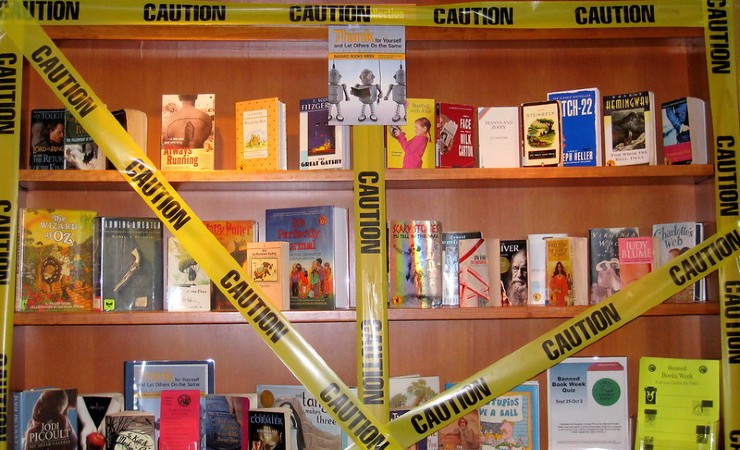
Banned Books Week is an annual event, typically held the last week of September, celebrating the freedom to read. The celebration sponsored […]
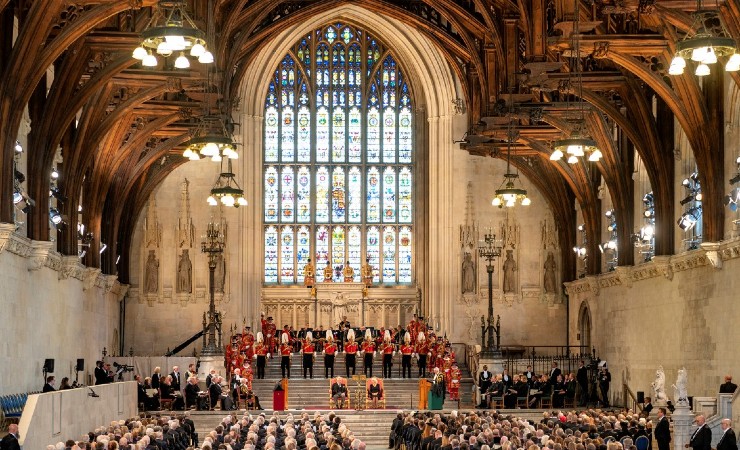
Robert Dingwall notes he never met the late Queen Elizabeth. He did, however, once try to bar Charles’s entry to the Cambridge Union Debating Society…

New research reviewing an influential 2021 paper supporting the efficacy of the ‘nudge’ and others now warns nudges may not have any effect on behavior at all.
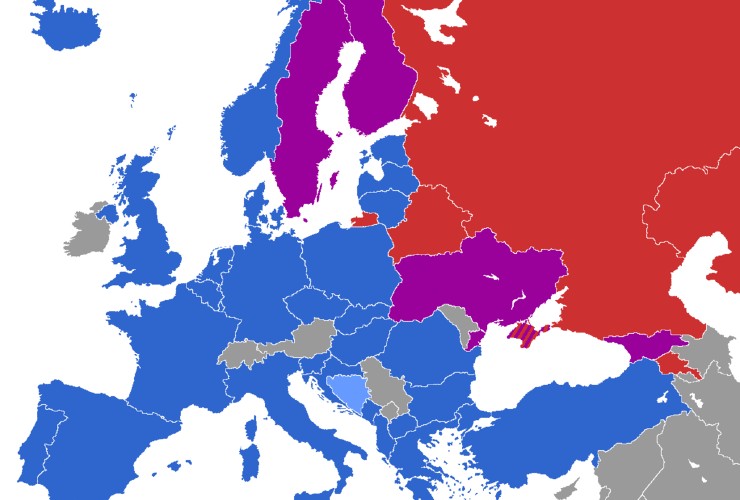
ISA may not have any great love for the richer countries of the world, argues Robert Dingwall, but its president should be capable of telling the difference between mutual aid among sovereign nations and a desire to subject other countries to external domination.
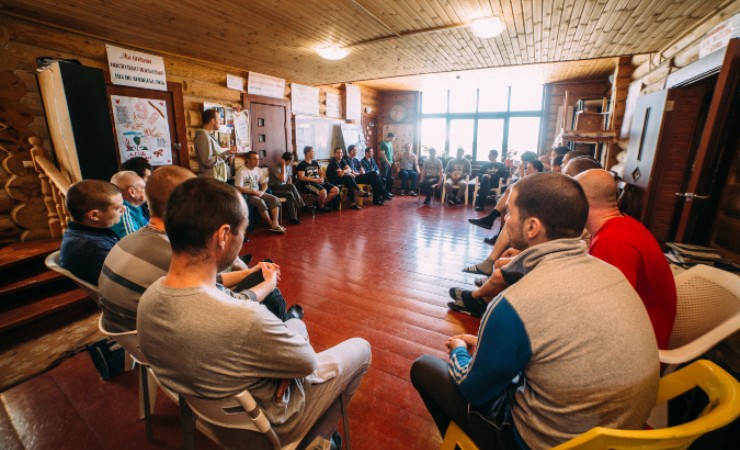
Can ethnography, long characterized as a lower tier of evidence in studying drug use, find things other approaches miss?
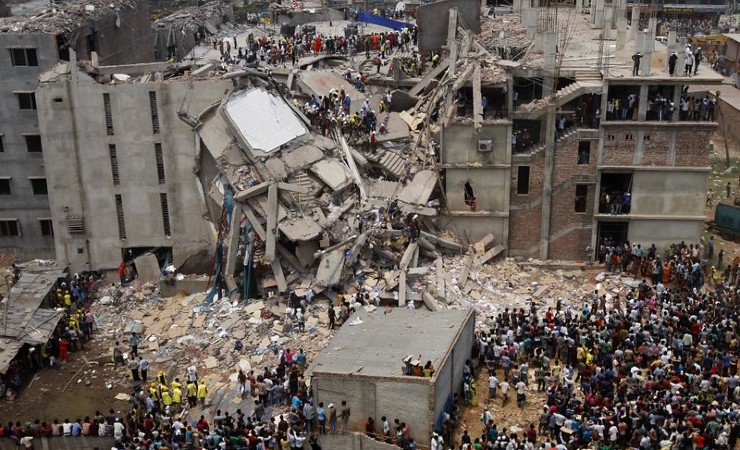
Worker exploitation in garment supply chain factories is not just about sweatshops, note the authors of “After Rana Plaza: Governing Exploitative Workplace Labour Regimes in Bangladeshi Garment Export Factories” which appeared in the Journal of Industrial Relations.

Jürgen Habermas, a globally known social theorist whose explorations of democracy, validity and communication have gained new prominence in the current moment, […] People often see science as a world apart: cool, rational and untouched by persuasion or performance. In this view, scientists simply discover […] “Research impact” means different things to different people. Some refer broadly to how science changes behaviors, beliefs, or practices outside academic institutions. […] David Canter considers informal places where people socialize, suggesting they’re an arena ChatGPT and other LLMs can’no’t replicate. As someone who lives […] It’s become cliche since Clive Humbly coined it in 2006, but data is indeed the new oil. It’s a mantra repeated by […] In September 2025, The Guardian reported about a lawyer in Australia having faced sanctions due to false citations. These citations were not […]
EXPLORE
Impact

Jürgen Habermas, 1929-2026: Exponent of the Public Sphere
READ MORE

Scientists Should Keep in Mind It’s Called the ‘Marketplace of Ideas’ for a Reason
READ MORE

Survey Finds Social Scientists Feel Unsupported in Seeking Societal Impact
READ MORE
Innovation

Reaching Parts to Which AI Has No Access
READ MORE

Andrea Medina-Smith on Making Research Data More FAIR
READ MORE

A Status Check on Hallucinated Case Law Incidents
READ MORE