

Could Distributed Peer Review Better Decide Grant Funding?
The landscape of academic grant funding is notoriously competitive and plagued by lengthy, bureaucratic processes, exacerbated by difficulties in finding willing reviewers. Distributed […]
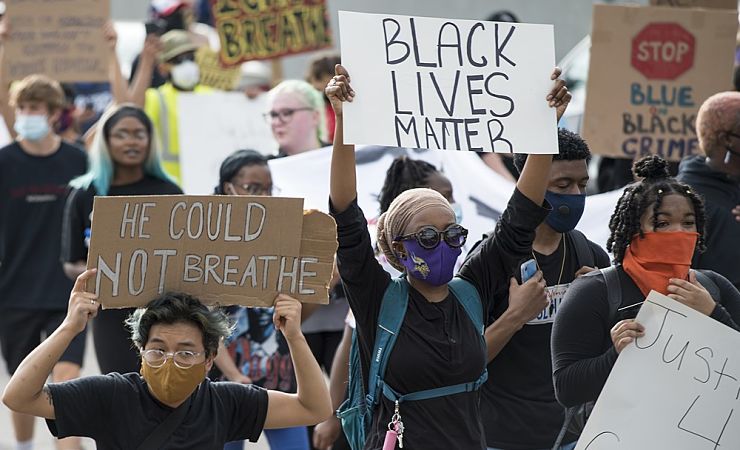
The recent police killings of Breonna Taylor and George Floyd have given new urgency to the seemingly intractable issue of fatal policy violence, and we offer the articles in the volume to inform the actions of those who work for a less-deadly future.
As protests against police violence and racism continue in cities throughout the U.S., the public is learning that several of the officers […]
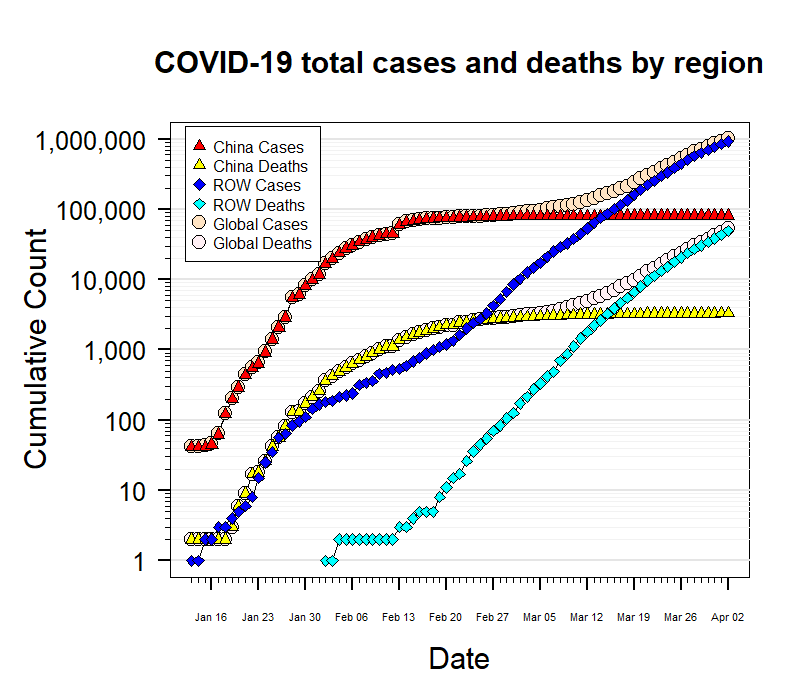
Countries across the world have been turning to behavioral science in the fight against coronavirus. In May, The New Scientist proclaimed that ‘behavioral science is […]
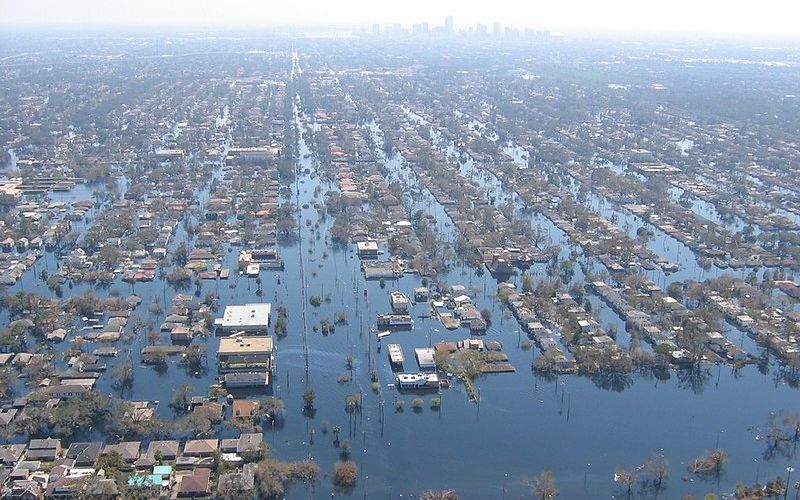
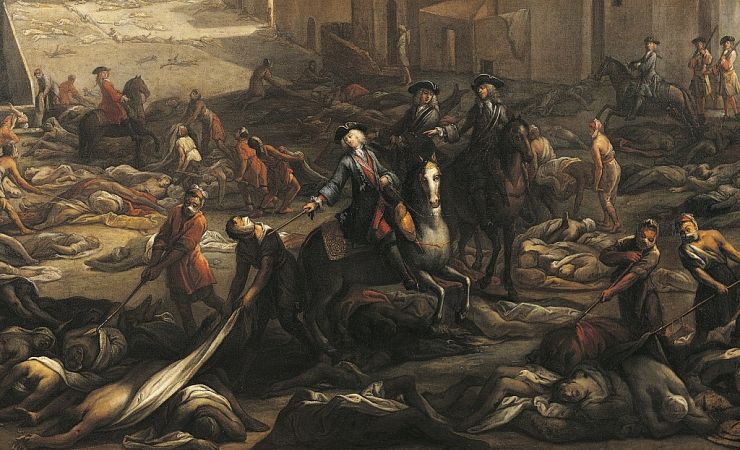
David Canter considers the social psychological processes that turn emergencies into disasters.
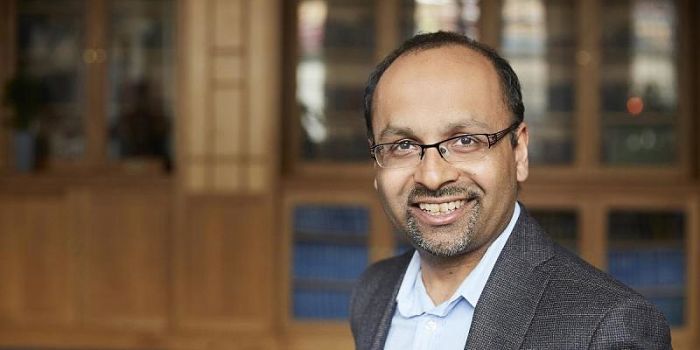
“You don’t have to go back many months,” says Hetan Shah, the chief executive of the British Academy, in this Social Science Bites podcast, “for a period when politicians were relatively dismissive of experts – and then suddenly we’ve seen a shift now to where they’ve moved very close to scientists. And generally that’s a very good thing.”
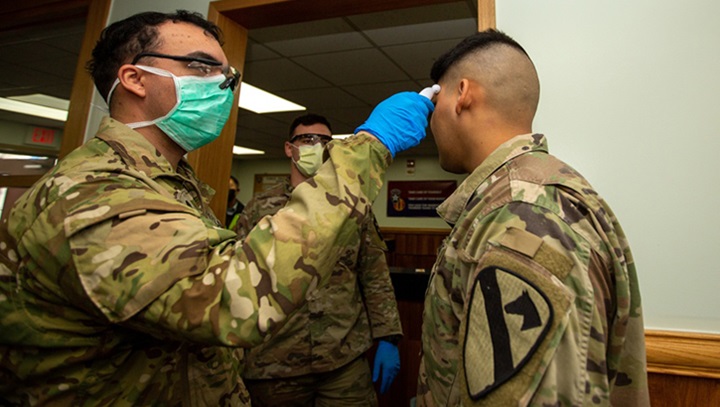
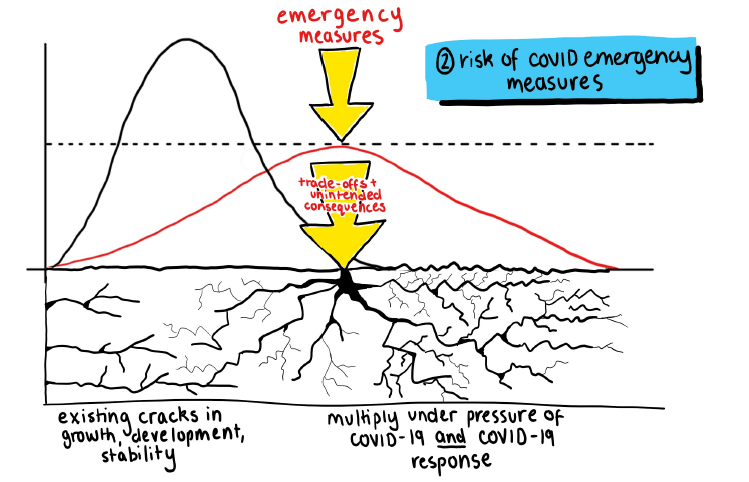
With climate change disasters, as with infectious diseases, rapid response time and global coordination are of the essence. At this stage in the COVID-19 situation, there are three primary lessons for a climate-changing future: the immense challenge of global coordination during a crisis, the potential for authoritarian emergency responses, and the spiraling danger of compounding shocks.
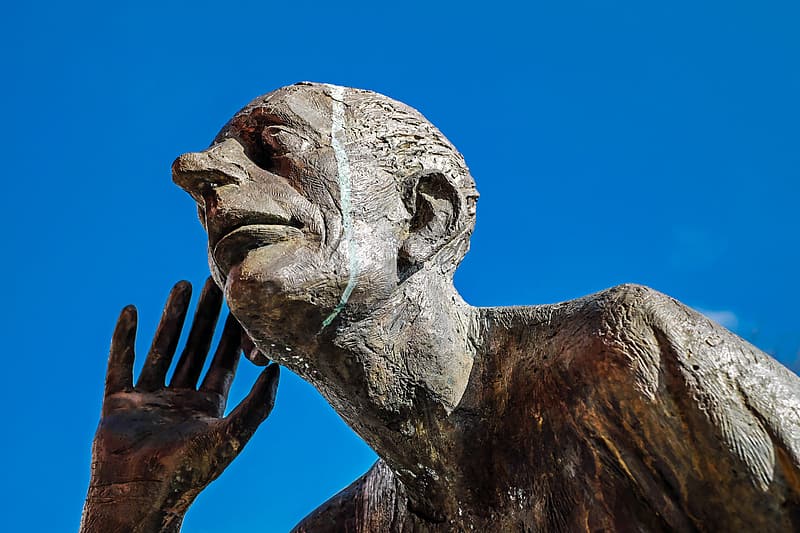
“Being led by the science” evokes a linear model of policy making which is more a myth than reality. In reality, politicians use claims about scientific knowledge in order to justify a course of action.
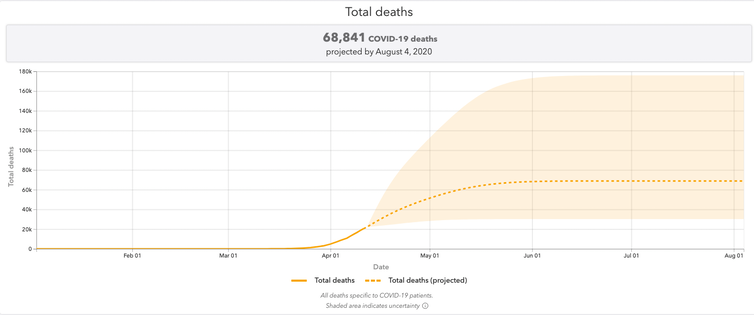
Models are not meant to predict the future perfectly – yet they’re still useful. Biomedical mathematician Lester Caudill, who is currently teaching a class focused on COVID-19 and modeling, explains the limitations of models and how to better understand them.


Jürgen Habermas, a globally known social theorist whose explorations of democracy, validity and communication have gained new prominence in the current moment, […] People often see science as a world apart: cool, rational and untouched by persuasion or performance. In this view, scientists simply discover […] “Research impact” means different things to different people. Some refer broadly to how science changes behaviors, beliefs, or practices outside academic institutions. […] David Canter considers informal places where people socialize, suggesting they’re an arena ChatGPT and other LLMs can’no’t replicate. As someone who lives […] It’s become cliche since Clive Humbly coined it in 2006, but data is indeed the new oil. It’s a mantra repeated by […] In September 2025, The Guardian reported about a lawyer in Australia having faced sanctions due to false citations. These citations were not […]
EXPLORE
Impact

Jürgen Habermas, 1929-2026: Exponent of the Public Sphere
READ MORE

Scientists Should Keep in Mind It’s Called the ‘Marketplace of Ideas’ for a Reason
READ MORE

Survey Finds Social Scientists Feel Unsupported in Seeking Societal Impact
READ MORE
Innovation

Reaching Parts to Which AI Has No Access
READ MORE

Andrea Medina-Smith on Making Research Data More FAIR
READ MORE

A Status Check on Hallucinated Case Law Incidents
READ MORE