


Could Distributed Peer Review Better Decide Grant Funding?
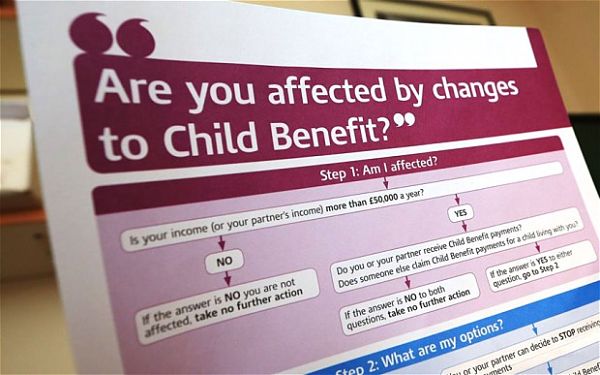
The landscape of academic grant funding is notoriously competitive and plagued by lengthy, bureaucratic processes, exacerbated by difficulties in finding willing reviewers. Distributed […]

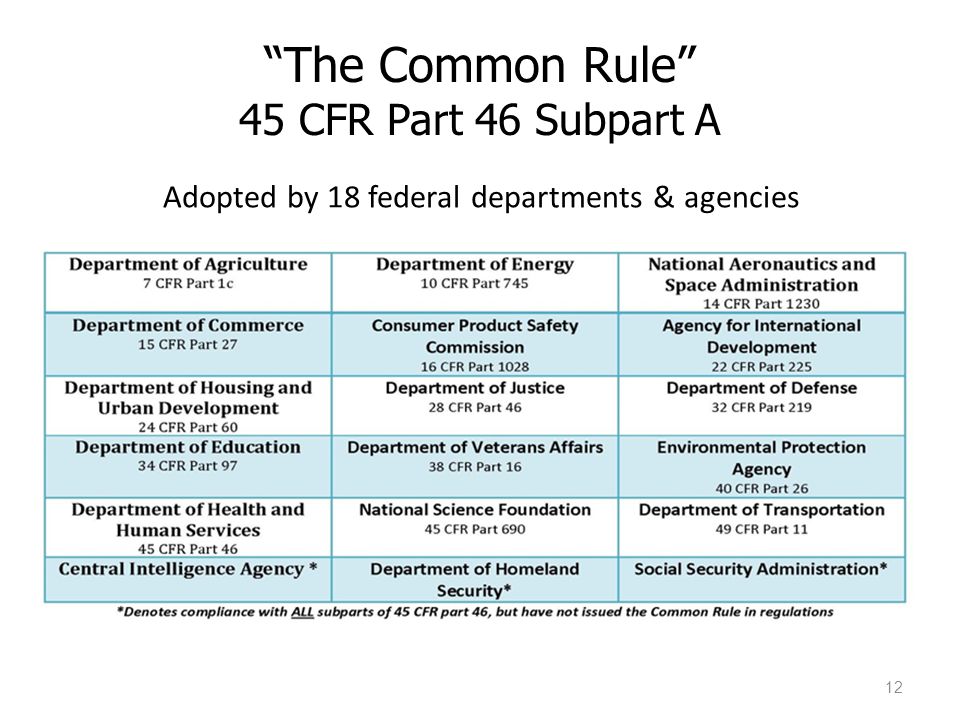
Legislation that sets policy for the National Science Foundation has been signed by President Obama. The bill no longer includes funding restrictions on social science but does include language that has been used in the past to attack the disciplines.
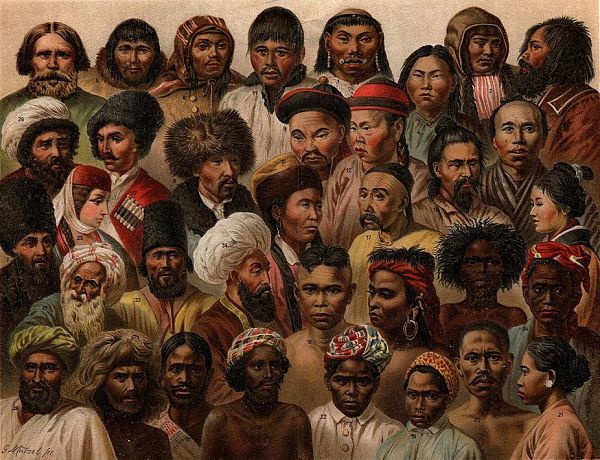
There is a clear consensus among anthropologists that races aren’t real, that they don’t reflect biological reality, and that most anthropologists don’t believe there is a place for race categories in science.

Our Robert Dingwall reflects on Tinder’s in-house sociologist and on the just-announced New Year’s Honours list to question just how diverse are current understandings of diversity.
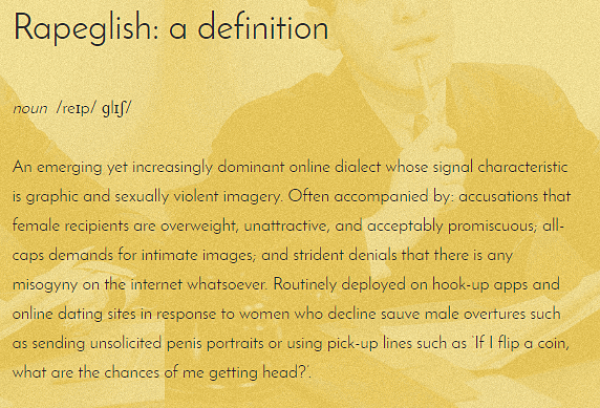
A new computer program from the author of ‘Misogyny Online’ slices up and shuffles around an archive of sexualized vitriol, rape threats, and aggressive sleaze received by real-life women and presents its own version of what is called Rapeglish.
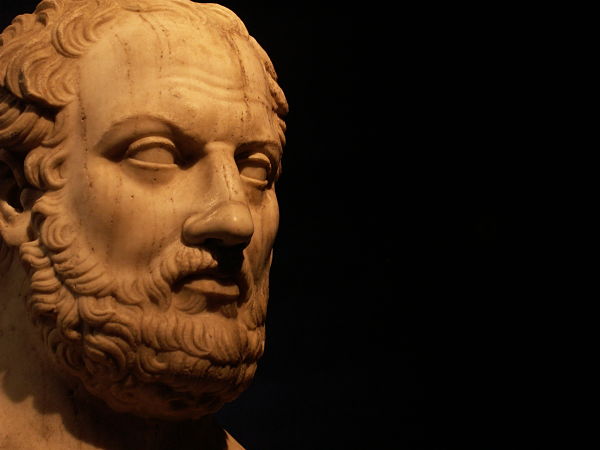
The claim that Thucydides’ account of the past is useful is often extended to historiography in general, rather than just to his specific – and idiosyncratic – approach. And that, suggests Neville Morley, may be the real trap of Thucydides.

T.S. Eliot said “April is the cruelest month.” This November has been pretty harsh, too, says blogger Howard J. Silver, who wonders what the new U.S. president will mean for a number of issues, including research funding.

Erich Bloch was the first non-academic to serve as director of the NSF. Although a computer engineer by background, he recognized the value of the social and behavioral sciences.

In this Social Science Bites podcast, Harvard’s Jennifer Hochschild explains to interviewer David Edmonds some of the pertinent data points from her years of using quantitative and qualitative analysis to map the racial, ethnic and class cleavages in America’s demography.

The Royal Swedish Academy of Sciences has awarded this year’s Nobel Prize in Economic Sciences to the American economists Robert E. Hall […] Four Americans working in the social and behavioral sciences are among the 20 people named MacArthur Fellows this year. Recipients may be […] Euan Adie, the founder of Altmetric and later of Overton, discusses the reasons the led to Overton’s focus on showing researchers how […] The following is an adapted extract from The Cultural Industries, fifth edition, by David Hesmondhalgh. The increasing presence of information technology (IT) […] Developers of AI data centers have a public trust problem. According to multiple surveys, a majority of Americans say they would oppose […] I was adding some final flourishes on the topic of ‘iatrocracy’ to my forthcoming book with Natewindé Sawadogo – Sickness and Social […]
EXPLORE
Impact
Economic Peaks, Troughs and This Year’s Nobelists in Economics
READ MORE
Four From Social Science World Receive 2026 MacArthur Fellowships
READ MORE

Quick Insight: Euan Adie on Getting Academics Credit for Their Impact
READ MORE
Innovation

IT Giants and Their Operations: Should We Be Concerned?
READ MORE

What We Miss When We Study Public Trust with Surveys Alone
READ MORE

AI and ‘Iatrocracy’ – A Cautionary Tale
READ MORE