

Could Distributed Peer Review Better Decide Grant Funding?
The landscape of academic grant funding is notoriously competitive and plagued by lengthy, bureaucratic processes, exacerbated by difficulties in finding willing reviewers. Distributed […]
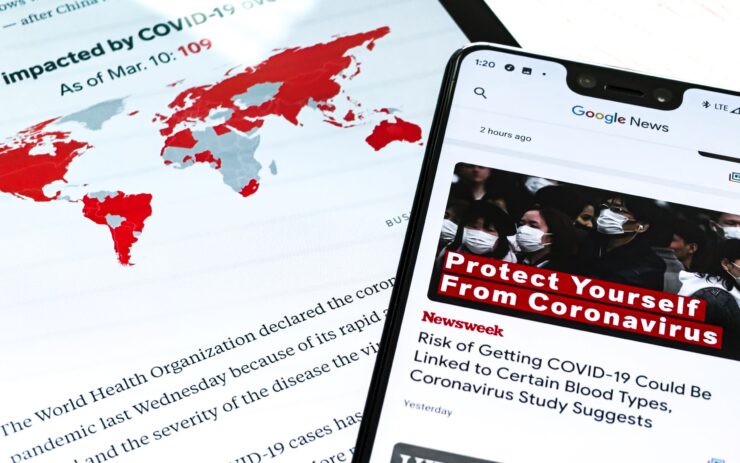
COVID-19 has devastated communities and economies around the world and profoundly changed the ways in which we live and work. Many of […]

“Wearing a mask is a sign of respect.” New York Governor Andrew Cuomo, May 12th 2020 In the first chapter of this […]

For all the talk of social consciousness at academic conferences, personal wealth remains the imprimatur of business success par excellence. How then, we asked ourselves, can business schools expect their students to take ethics and social responsibility truly seriously?
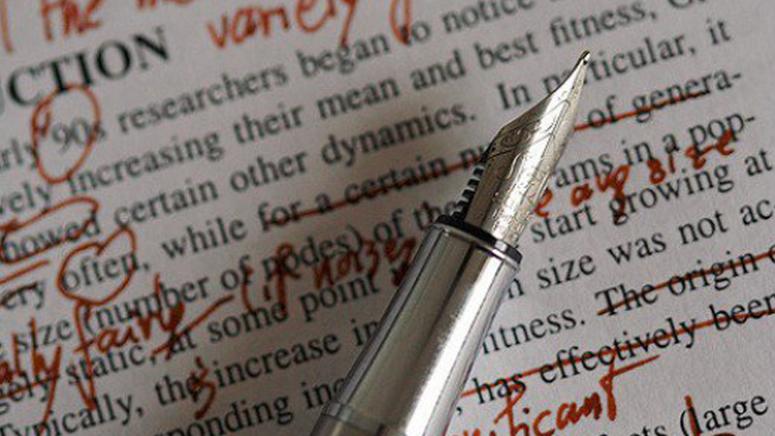
University life comes with its share of challenges. One of these is writing longer assignments that require higher information, communication and critical […]
The biggest threat to the Territory is clear. It is not us, it’s them. Western Australian Premier Mark McGowan We live in a dangerous […]

Earlier this week the Carnegie Corporation of New York named the 2020 class of 27 Andrew Carnegie Fellows. Each fellow will receive $200,000 to go toward scholarly research over the next two years in the humanities and social sciences that addresses important and enduring issues confronting our society. The anticipated result of each award is a book or major study.
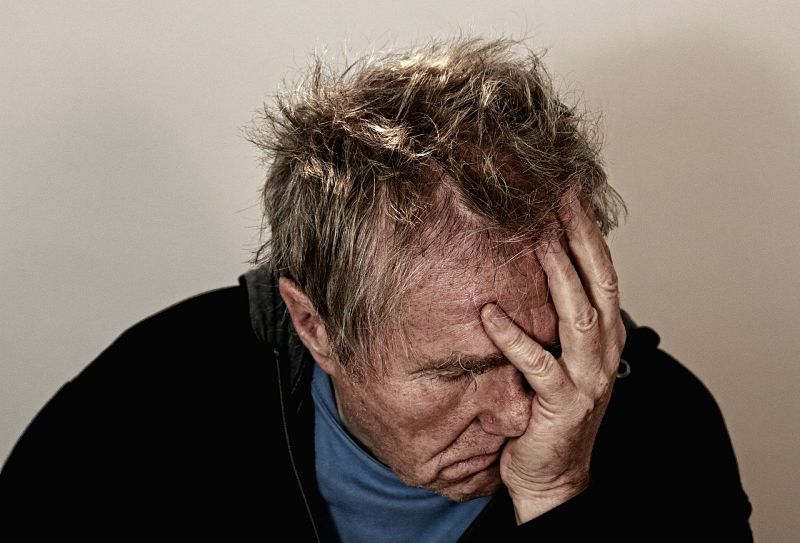
After two decades that have almost been defined by wave upon wave of crises, argues Matthew Flinders, it’s possible that the public has simply become immune to warnings from politicians and habitually distrustful of their claims.

COVID-19 is a threat to the health and safety of us all, but as the congressional debate of the federal stimulus package revealed, it may also present an opportunity to rethink how to best protect workers, the economy, and indeed all the members of our society.
Jürgen Habermas, a globally known social theorist whose explorations of democracy, validity and communication have gained new prominence in the current moment, […] People often see science as a world apart: cool, rational and untouched by persuasion or performance. In this view, scientists simply discover […] “Research impact” means different things to different people. Some refer broadly to how science changes behaviors, beliefs, or practices outside academic institutions. […] David Canter considers informal places where people socialize, suggesting they’re an arena ChatGPT and other LLMs can’no’t replicate. As someone who lives […] It’s become cliche since Clive Humbly coined it in 2006, but data is indeed the new oil. It’s a mantra repeated by […] In September 2025, The Guardian reported about a lawyer in Australia having faced sanctions due to false citations. These citations were not […]
EXPLORE
Impact

Jürgen Habermas, 1929-2026: Exponent of the Public Sphere
READ MORE

Scientists Should Keep in Mind It’s Called the ‘Marketplace of Ideas’ for a Reason
READ MORE

Survey Finds Social Scientists Feel Unsupported in Seeking Societal Impact
READ MORE
Innovation

Reaching Parts to Which AI Has No Access
READ MORE

Andrea Medina-Smith on Making Research Data More FAIR
READ MORE

A Status Check on Hallucinated Case Law Incidents
READ MORE