
Could Distributed Peer Review Better Decide Grant Funding?
The landscape of academic grant funding is notoriously competitive and plagued by lengthy, bureaucratic processes, exacerbated by difficulties in finding willing reviewers. Distributed […]

Shirley Malcom, senior adviser to the CEO and director of the SEA Change initiative at the American Association for the Advancement of Science, will deliver this year’s David Lecture.

If traditional filters of prestige are themselves steeped in a set of tacit values that may no longer adequately respect the modes of labor (or the laborers themselves), then when better to step back for a moment to ask what we are counting — and why?
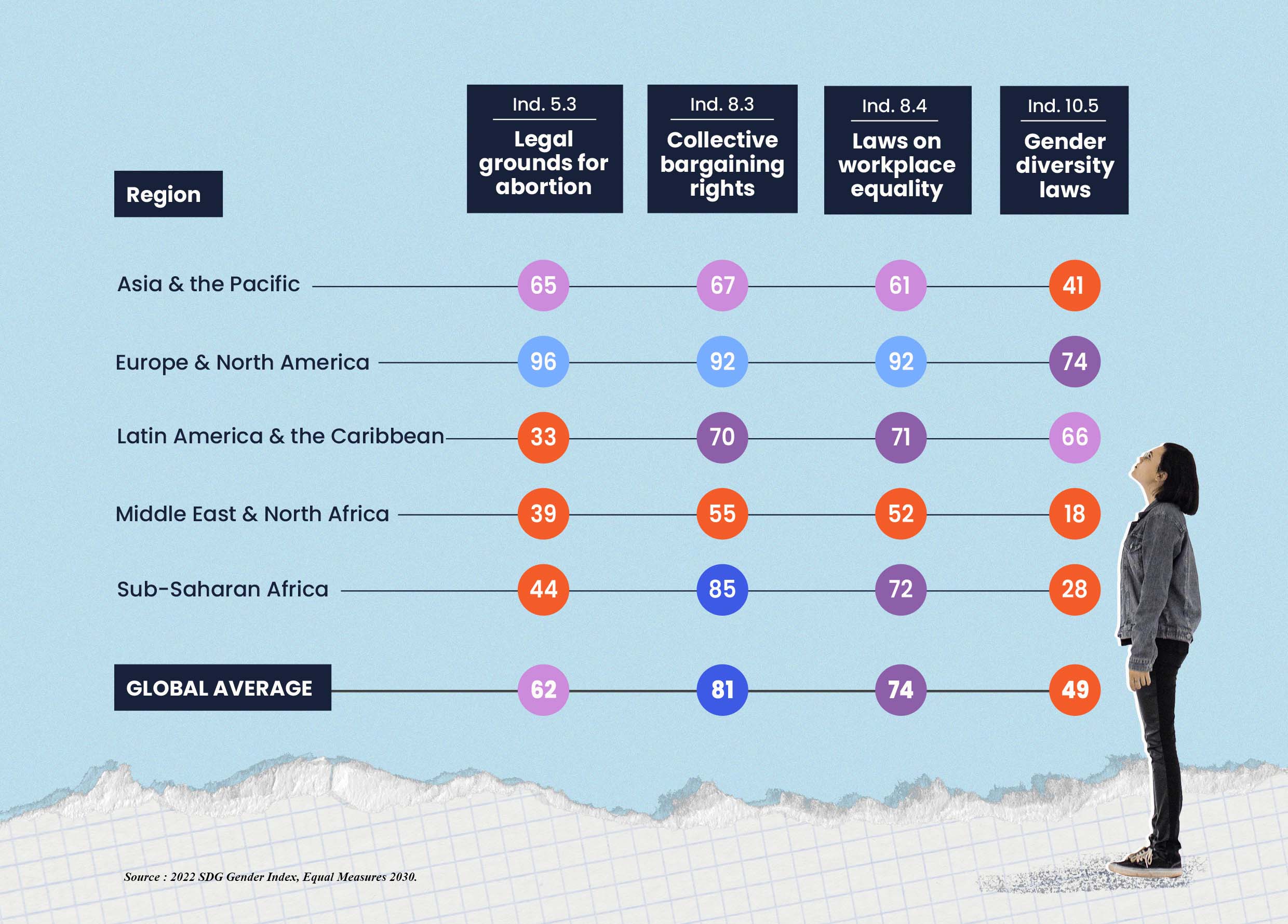
An effort to measure how well equality across genders is progressing around the world, using a tool developed around United Nations-developed goals, has detected “little progress” in the last half decade.

More than 90 organizations based in higher education, ranging from the American Council on Education and American Association of University Professors to the Yes We Must Coalition and EDUCAUSE, have signed a statement supporting “academic inquiry and debate” on American campuses.
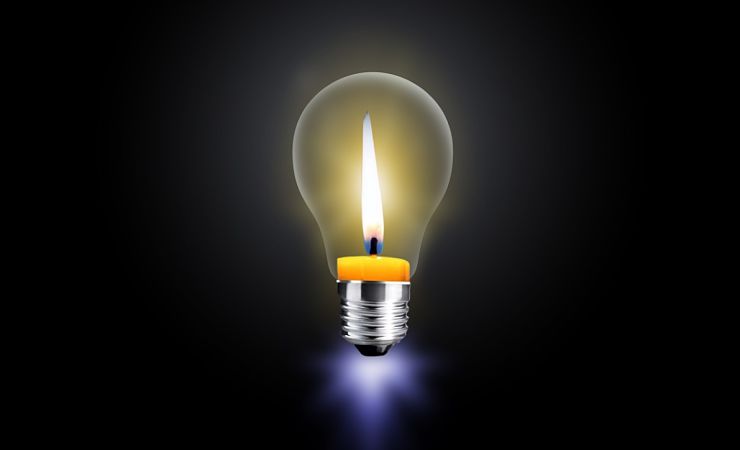
Research the author and colleagues conducted at Penn State shows that both the escalation and de-escalation of fear must occur for the message to be effective.
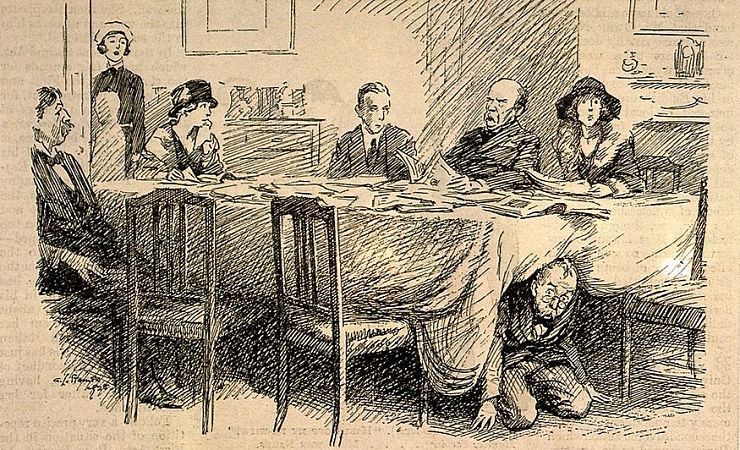
Two members of the Australian Research Council College of Experts explain why a political veto of several expert-vetted grants led them to resign from the advisory panel.
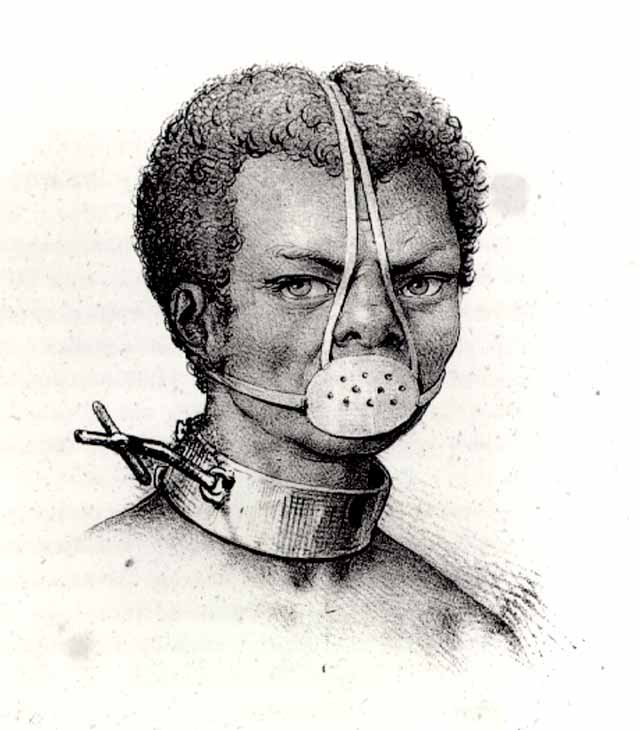
Are masks for preventing the spread of COVID really just a muzzle. Roberto Strongman argues that here using the visage of Escrava Anastácia to make his case.

Children’s rights activist Marian Wright Edelman, the founder or the Children’s Defense Fund and its leader for four decades, will receive the 2022 Daniel Patrick Moynihan Prize from the American Academy of Political and Social Science.
Jürgen Habermas, a globally known social theorist whose explorations of democracy, validity and communication have gained new prominence in the current moment, […] People often see science as a world apart: cool, rational and untouched by persuasion or performance. In this view, scientists simply discover […] “Research impact” means different things to different people. Some refer broadly to how science changes behaviors, beliefs, or practices outside academic institutions. […] David Canter considers informal places where people socialize, suggesting they’re an arena ChatGPT and other LLMs can’no’t replicate. As someone who lives […] It’s become cliche since Clive Humbly coined it in 2006, but data is indeed the new oil. It’s a mantra repeated by […] In September 2025, The Guardian reported about a lawyer in Australia having faced sanctions due to false citations. These citations were not […]
EXPLORE
Impact

Jürgen Habermas, 1929-2026: Exponent of the Public Sphere
READ MORE

Scientists Should Keep in Mind It’s Called the ‘Marketplace of Ideas’ for a Reason
READ MORE

Survey Finds Social Scientists Feel Unsupported in Seeking Societal Impact
READ MORE
Innovation

Reaching Parts to Which AI Has No Access
READ MORE

Andrea Medina-Smith on Making Research Data More FAIR
READ MORE

A Status Check on Hallucinated Case Law Incidents
READ MORE