



Could Distributed Peer Review Better Decide Grant Funding?
The landscape of academic grant funding is notoriously competitive and plagued by lengthy, bureaucratic processes, exacerbated by difficulties in finding willing reviewers. Distributed […]
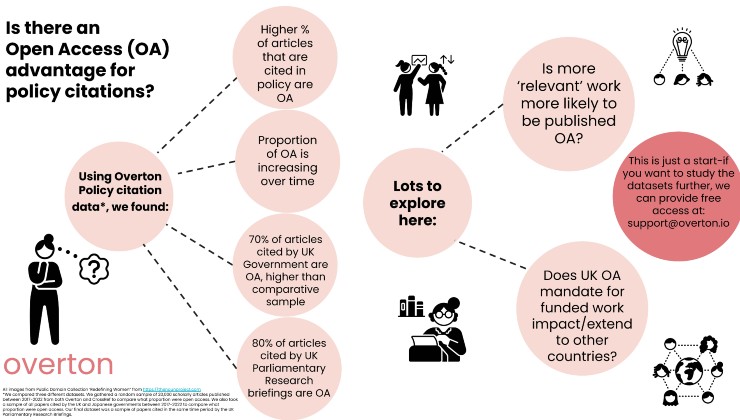
Will you research be cited more often if it was originally published open access? The people at Overton, a platform which tracks citation in policy, decided to investigate.

The question of what kinds of blogs were already being cited by academics, and what criteria they were using to guide their choice of blogs animated research by two urban planners.
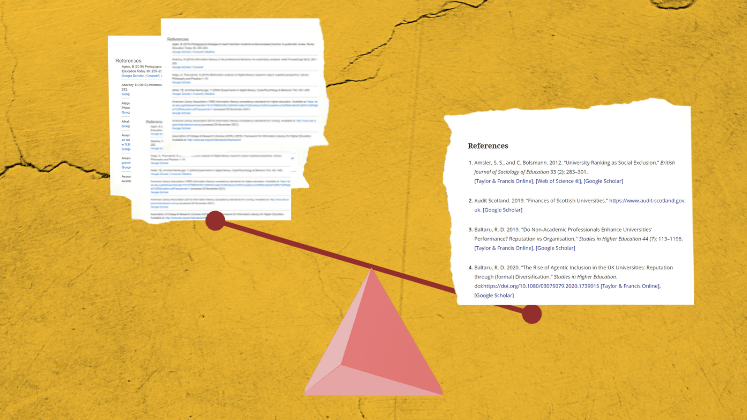
Reflecting on their work to create a guide to fairer citation practices in academic writing, Aurélie Carlier, Hang Nguyen, Lidwien Hollanders, Nicole Basaraba, Sally Wyatt and Sharon Anyango*, highlight challenges to changing citation practices and point to ways in which authors and readers can work towards equitable citations.
All citations are not the same. Drawing on a recent study of how researchers across 15 academic fields understand the influence of the work cited in their research, Eamon Duede shows how citation plays a role both in indicating and shaping the influence of research papers.

Presenting evidence from a new analysis of business and management academics, the authors explore how journal status is valued by these academics and the point at which journal status becomes more prized than academic influence.
The gender gap in citations between male and female researchers is well documented. Lin Zhang and Gunnar Sivertsen find that while papers authored by female researchers are less cited, they are more frequently engaged with by readers.
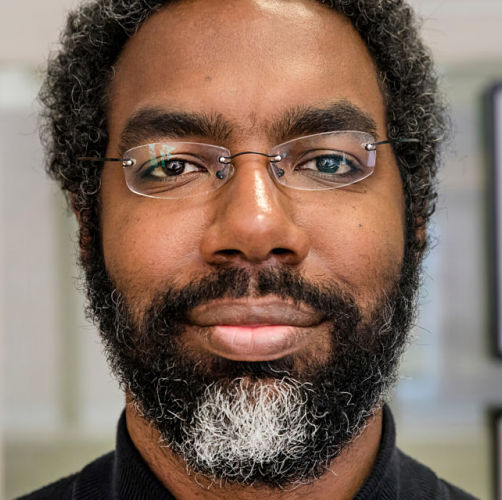
“Make sure you’re not only citing white guys!” That was the unmistakable takeaway Wednesday as Deen Freelon discussed his research into citation inequities in the social sciences.

Drawing on a quantitative study of sociologists in the 20th century, Nicole Holzhauser argues that not only the content of scientific work, but also social capital has historically played a significant role in allocating recognition and power.
Four Americans working in the social and behavioral sciences are among the 20 people named MacArthur Fellows this year. Recipients may be […] Euan Adie, the founder of Altmetric and later of Overton, discusses the reasons the led to Overton’s focus on showing researchers how […] Here’s a couple of quick questions for you. What is the smallest of the eight discipline-based directorates at the United States’ National […] Developers of AI data centers have a public trust problem. According to multiple surveys, a majority of Americans say they would oppose […] I was adding some final flourishes on the topic of ‘iatrocracy’ to my forthcoming book with Natewindé Sawadogo – Sickness and Social […] How is AI changing the shape and space of higher education? Critical thinking continues to rank highly among key skills and attributes […]
EXPLORE
Impact
Four From Social Science World Receive 2026 MacArthur Fellowships
READ MORE
Quick Insight: Euan Adie on Getting Academics Credit for Their Impact
READ MORE

NSF’s Embattled SBE Directorate Shown as Agency’s Policy Heavyweight
READ MORE
Innovation

What We Miss When We Study Public Trust with Surveys Alone
READ MORE

AI and ‘Iatrocracy’ – A Cautionary Tale
READ MORE

The Critical Student: How GenAI Reshapes Critical Skills and Higher Education’s Role Preparing Students For It
READ MORE