

Could Distributed Peer Review Better Decide Grant Funding?
The landscape of academic grant funding is notoriously competitive and plagued by lengthy, bureaucratic processes, exacerbated by difficulties in finding willing reviewers. Distributed […]

This March, the Sage Politics team launches its first Politics Webinar Week. These webinars are free to access and will be delivered by contemporary politics experts —drawn from Sage’s team of authors and editors— who range from practitioners to instructors.
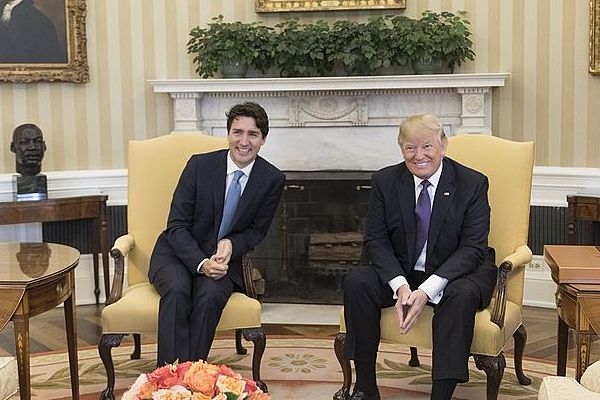
Elizabeth N. Saunders, an assistant professor of political science and international affairs at George Washington University, wrote the following post which appeared The Washington Post’s Monkey Cage blog on November 9, 2016. In this year’s Duckies awards, officially known as the International Studies Association’s Online Media Caucus awards, Saunders’ post was named best individual blog post of 2016.
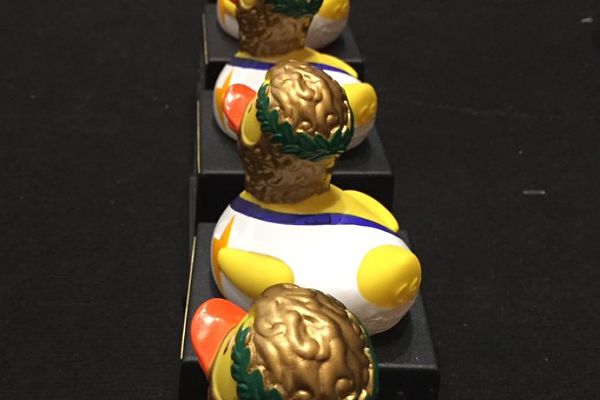
One of the highlights of the International Studies Association’s annual conference – assuming you weren’t boycotting the whole affair – was the annual Duckies Awards, which recognize public-facing work in the field.
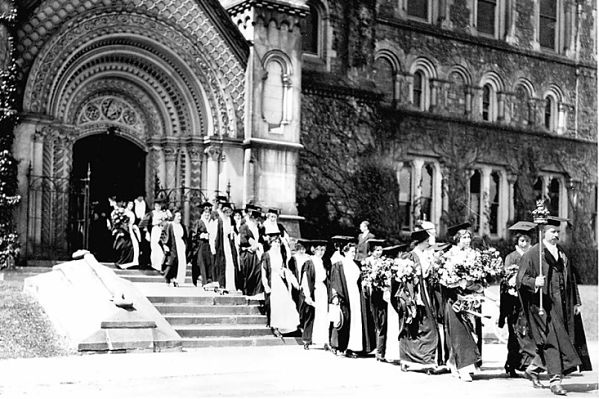
Our goal, say the supporters of the #WomenAlsoKnowStuff database of female political scientists, is to amplify the voices of women in the discipline and in the public eye.

Amitai Etzioni argues that the U.S. shouldn’t automatically resort to the big stick when engaging in its self-imposed job as the world’s enforcer of freedom of navigation.
New research looking at international relations courses finds that male professors assign more readings by males — and much of it their own work — than do female professors. And this does a disservice to students, argues Jeff Colgan.
A just-published lecture on international relations as a social science suggests that no discipline is an island.
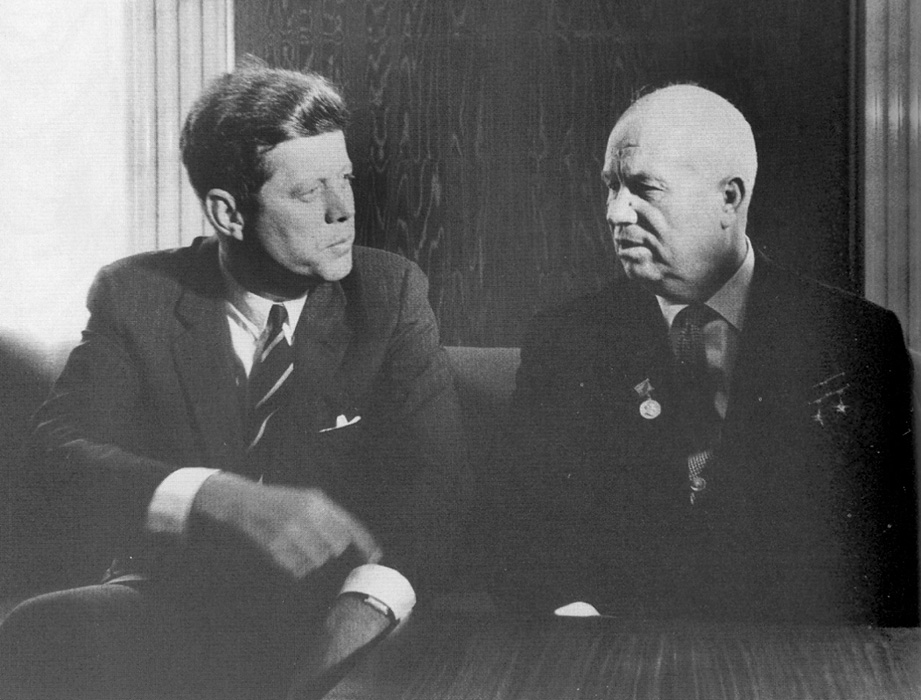
50 years on, the Cuban Missile Crisis may still prove to be one of the most important events in understanding modern International diplomacy.


Jürgen Habermas, a globally known social theorist whose explorations of democracy, validity and communication have gained new prominence in the current moment, […] People often see science as a world apart: cool, rational and untouched by persuasion or performance. In this view, scientists simply discover […] “Research impact” means different things to different people. Some refer broadly to how science changes behaviors, beliefs, or practices outside academic institutions. […] David Canter considers informal places where people socialize, suggesting they’re an arena ChatGPT and other LLMs can’no’t replicate. As someone who lives […] It’s become cliche since Clive Humbly coined it in 2006, but data is indeed the new oil. It’s a mantra repeated by […] In September 2025, The Guardian reported about a lawyer in Australia having faced sanctions due to false citations. These citations were not […]
EXPLORE
Impact

Jürgen Habermas, 1929-2026: Exponent of the Public Sphere
READ MORE

Scientists Should Keep in Mind It’s Called the ‘Marketplace of Ideas’ for a Reason
READ MORE

Survey Finds Social Scientists Feel Unsupported in Seeking Societal Impact
READ MORE
Innovation

Reaching Parts to Which AI Has No Access
READ MORE

Andrea Medina-Smith on Making Research Data More FAIR
READ MORE

A Status Check on Hallucinated Case Law Incidents
READ MORE