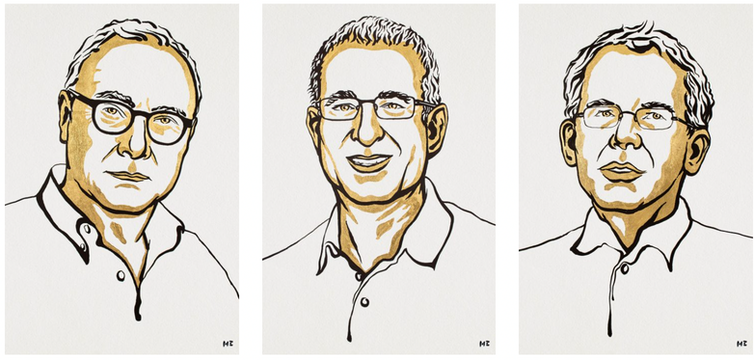

Could Distributed Peer Review Better Decide Grant Funding?
The landscape of academic grant funding is notoriously competitive and plagued by lengthy, bureaucratic processes, exacerbated by difficulties in finding willing reviewers. Distributed […]
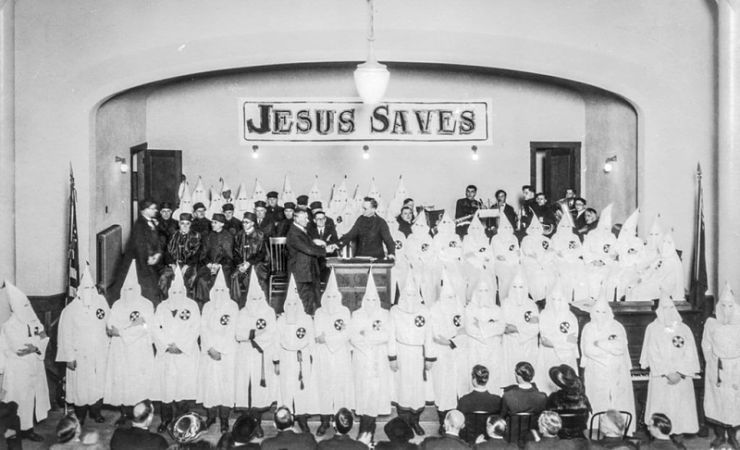
As a scholar of religious studies, I frequently use critical race theory as a tool to better understand how religion operates in American society. While critical race theorists initially focused on how race has been embedded in our legal system, the theory can also help us think about how race is entrenched in religious institutions.
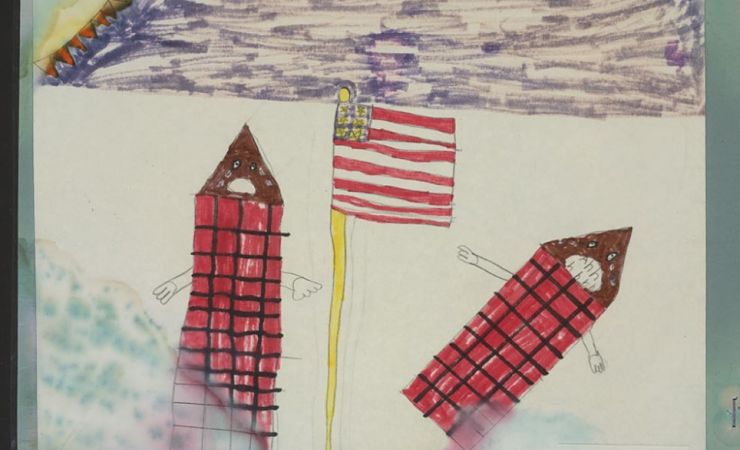
The phrase “Never Forget” is often associated with the terror attacks of September 11, 2001. But what does this phrase mean for U.S. students who are too young to remember? What are they being asked to never forget?

What are the three biggest challenges Australia faces in the next five to ten years? What role will the social sciences play in resolving these challenges? The Academy of the Social Sciences in Australia asked these questions in a discussion paper earlier this year. The backdrop to this review is cuts to social science disciplines around the country, with teaching taking priority over research.

While writing is certainly a critical communication skill, universities need to start learning how to thoughtfully integrate all available skills.
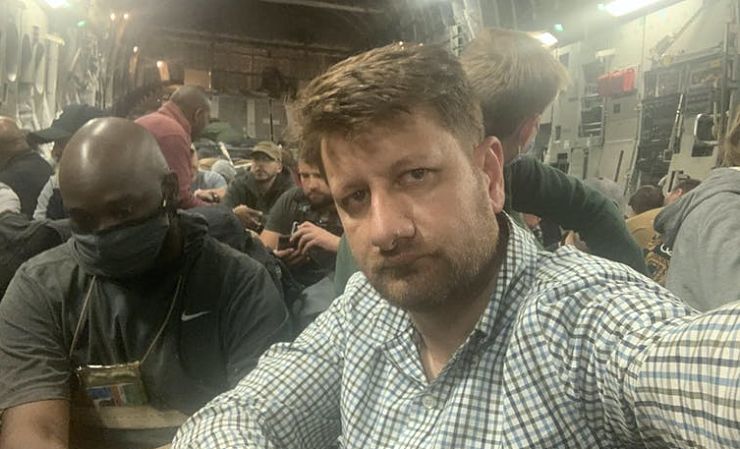
Editor’s note: Afghan scholar Hanif Sufizada, who works at the Center for Afghanistan Studies at the University of Nebraska Omaha, got caught […]

Prior to the pandemic, Kevin O’Neill and his colleagues conducted a study of how undergraduates at a public university in Canada chose which courses to take online.
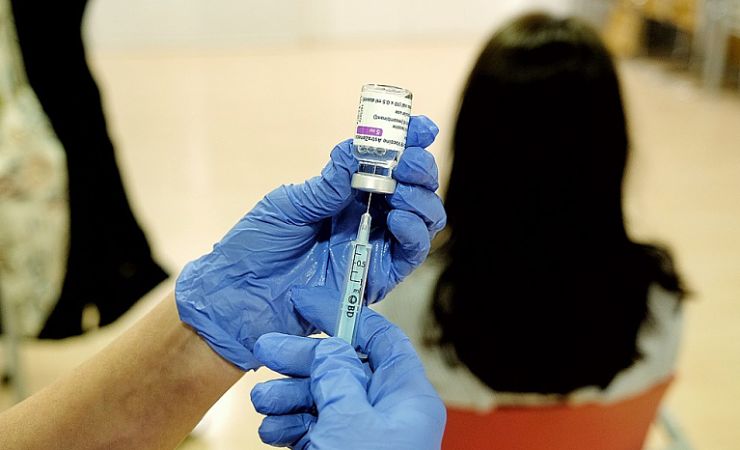
Our mixed feelings about reporting the deaths of vaccine sceptics, says Nick Chater, reflect the complexity of our moral selves – consequences, rules, agreements and virtues can pull us in different directions.

The authors of a new book on community-led research ask how to move research ‘done to’ and ‘on people’ towards ‘for and with people.’ It features both community and academic voices and reflects on research that foregrounds non-academic priorities.

Jürgen Habermas, a globally known social theorist whose explorations of democracy, validity and communication have gained new prominence in the current moment, […] People often see science as a world apart: cool, rational and untouched by persuasion or performance. In this view, scientists simply discover […] “Research impact” means different things to different people. Some refer broadly to how science changes behaviors, beliefs, or practices outside academic institutions. […] David Canter considers informal places where people socialize, suggesting they’re an arena ChatGPT and other LLMs can’no’t replicate. As someone who lives […] It’s become cliche since Clive Humbly coined it in 2006, but data is indeed the new oil. It’s a mantra repeated by […] In September 2025, The Guardian reported about a lawyer in Australia having faced sanctions due to false citations. These citations were not […]
EXPLORE
Impact

Jürgen Habermas, 1929-2026: Exponent of the Public Sphere
READ MORE

Scientists Should Keep in Mind It’s Called the ‘Marketplace of Ideas’ for a Reason
READ MORE

Survey Finds Social Scientists Feel Unsupported in Seeking Societal Impact
READ MORE
Innovation

Reaching Parts to Which AI Has No Access
READ MORE

Andrea Medina-Smith on Making Research Data More FAIR
READ MORE

A Status Check on Hallucinated Case Law Incidents
READ MORE