

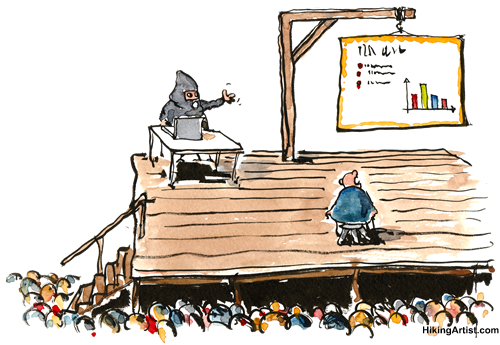

Could Distributed Peer Review Better Decide Grant Funding?
The landscape of academic grant funding is notoriously competitive and plagued by lengthy, bureaucratic processes, exacerbated by difficulties in finding willing reviewers. Distributed […]
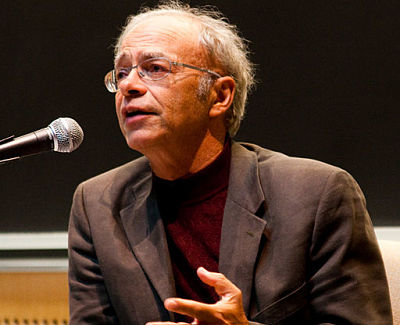
When people with well-known, if controversial, ideas are disinvited from speaking engagements just because those known views bother some people who know how to send email or to tweet, something is very wrong, argues Russell Blackford.
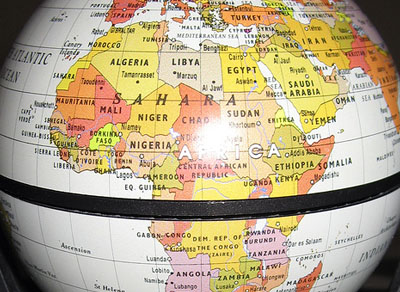
It won’t come easy, but an Nigerian academic working in Arkansas urges administrators of African universities to limit the obstacles keeping Africans from choosing to work in the home continent.

We need honest researchers who monitor their own behavior; we need to have scrutiny by other researchers in the field; and we need an engaged public. But what do we have, asks Judith Stark.
If Garrett Hardin were with us today, argues Rob Brooks, he would have saved a special place on the degraded commons to relegate those who inflict upon us all the burden of collecting meaningless data and unheeded opinion.

The values of a university education are many and generally agreed upon. But is holding a degree the same thing?
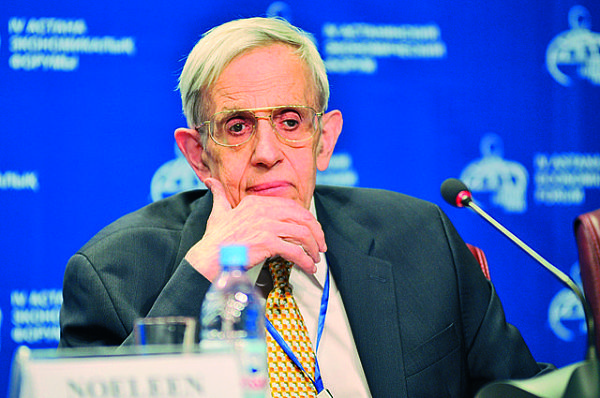
The impact of John Nash’s initial work has been immense over the past 65 years. It seems certain that in his absence, the frameworks and mathematical language he refined and developed will continue to provide new insights into a diverse range of problems.

The appointment of climate skeptic Bjorn Lomborg has focused attention on a newish metric for assessing academic importance, the H-Index.
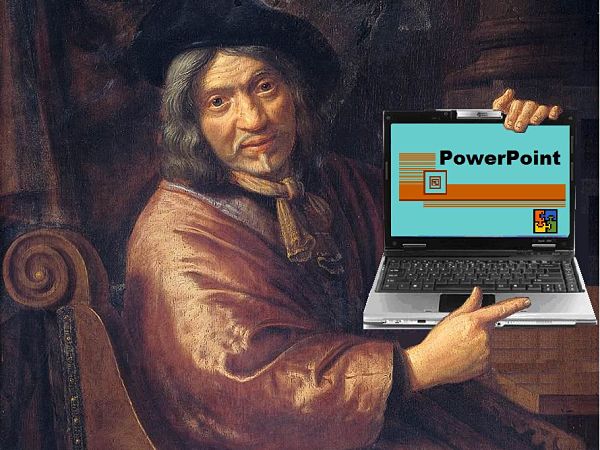
Take away PowerPoint, and what do professors have left? Students! As it should be, argues Bent Meier Sørensen.


Jürgen Habermas, a globally known social theorist whose explorations of democracy, validity and communication have gained new prominence in the current moment, […] People often see science as a world apart: cool, rational and untouched by persuasion or performance. In this view, scientists simply discover […] “Research impact” means different things to different people. Some refer broadly to how science changes behaviors, beliefs, or practices outside academic institutions. […] David Canter considers informal places where people socialize, suggesting they’re an arena ChatGPT and other LLMs can’no’t replicate. As someone who lives […] It’s become cliche since Clive Humbly coined it in 2006, but data is indeed the new oil. It’s a mantra repeated by […] In September 2025, The Guardian reported about a lawyer in Australia having faced sanctions due to false citations. These citations were not […]
EXPLORE
Impact

Jürgen Habermas, 1929-2026: Exponent of the Public Sphere
READ MORE

Scientists Should Keep in Mind It’s Called the ‘Marketplace of Ideas’ for a Reason
READ MORE

Survey Finds Social Scientists Feel Unsupported in Seeking Societal Impact
READ MORE
Innovation

Reaching Parts to Which AI Has No Access
READ MORE

Andrea Medina-Smith on Making Research Data More FAIR
READ MORE

A Status Check on Hallucinated Case Law Incidents
READ MORE