

Could Distributed Peer Review Better Decide Grant Funding?
The landscape of academic grant funding is notoriously competitive and plagued by lengthy, bureaucratic processes, exacerbated by difficulties in finding willing reviewers. Distributed […]
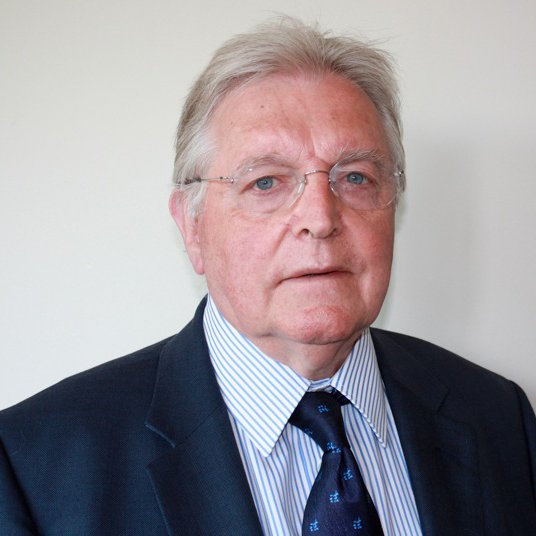
Professor Roger Hood CBE, QC (Hon), PhD, DCL, LLD (Hon), FBA, known for his immense contributions to the international discipline of criminology, […]

From scholarly article to practical guides, from textbooks to media, from weighty tomes to tweets, researchers and academic writers have many options […]
The social sciences have a crucial role to play in the COVID-19 recovery, and in addressing many other challenges society faces. However, […]
Britain’s Celebrating Impact competition, now in its eighth year, recognizes and rewards ESRC-funded researchers who have achieved impact through outstanding research, knowledge exchange activities, collaborative partnerships and engagement with different communities.

We have spent the best part of a decade trying, testing and honing techniques to engage and enthuse our undergrads with quantitative data analysis, explains Julie Scott Jones. Then a global pandemic arrived.
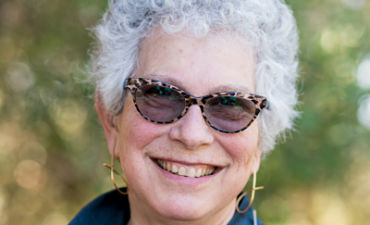
Margaret Levi’s conception of “an expanded community of fate” gained international recognition as the 2020 “Breakthrough of the Year” in the social sciences and humanities. The Falling Walls Foundation, a nonprofit organization based in Berlin, selected 10 “Breakthroughs” out of a pool of nearly 1,000 nominations from 111 countries.
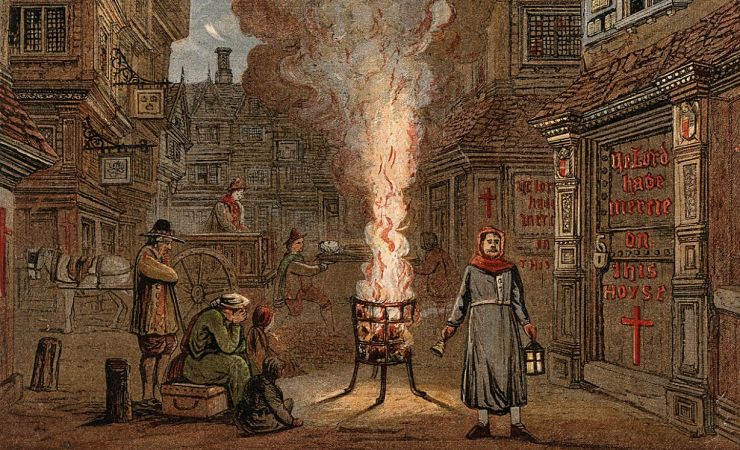
Humanity has a long history of dealing with things like pandemics. What history shows us is that the only practicable interventions are social and behavioral. How can we slow the movement of the new infection through the population while medical science catches up with treatments or vaccines?
Although the presidential election sucked all the available oxygen out of America’s body politic, the business of running the government is returning […]
People often see science as a world apart: cool, rational and untouched by persuasion or performance. In this view, scientists simply discover […] “Research impact” means different things to different people. Some refer broadly to how science changes behaviors, beliefs, or practices outside academic institutions. […] One researcher studies how war affects children, another took a literal worm’s eye view to examine rural development, while two others scrutinized […] David Canter considers informal places where people socialize, suggesting they’re an arena ChatGPT and other LLMs can’no’t replicate. As someone who lives […] It’s become cliche since Clive Humbly coined it in 2006, but data is indeed the new oil. It’s a mantra repeated by […] In September 2025, The Guardian reported about a lawyer in Australia having faced sanctions due to false citations. These citations were not […]
EXPLORE
Impact

Scientists Should Keep in Mind It’s Called the ‘Marketplace of Ideas’ for a Reason
READ MORE

Survey Finds Social Scientists Feel Unsupported in Seeking Societal Impact
READ MORE
Canada’s SSHRC Names 2025 Impact Winners
READ MORE
Innovation

Reaching Parts to Which AI Has No Access
READ MORE

Andrea Medina-Smith on Making Research Data More FAIR
READ MORE

A Status Check on Hallucinated Case Law Incidents
READ MORE