


Could Distributed Peer Review Better Decide Grant Funding?
The landscape of academic grant funding is notoriously competitive and plagued by lengthy, bureaucratic processes, exacerbated by difficulties in finding willing reviewers. Distributed […]
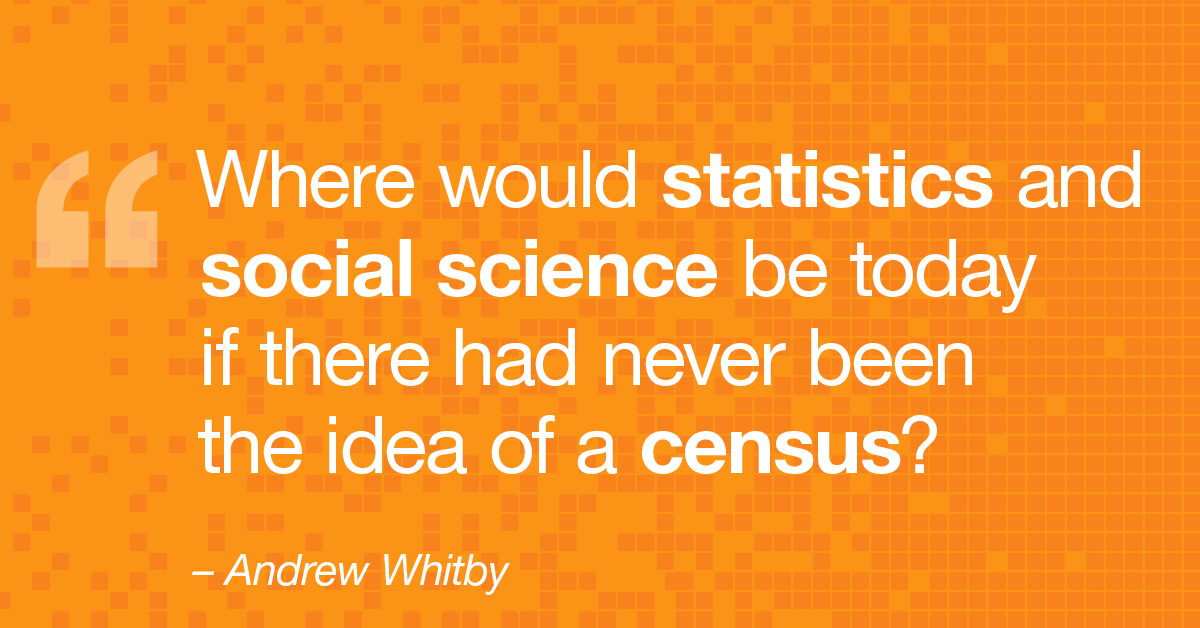
In an age where issues of ethnicity and identity matter, as well, as in the United States, political representation, the import and impact of censuses, along with how they are structured, carried out and analyzed, matters greatly. And with the U.S. Census being conducted this year – today, April 1, is Census Day, although coronavirus-marred collection of data will continue until August 14 – this is an apt time to talk with author Andrew Whitby about censuses past, present and future.

“In a world facing many complex, formidable problems,” Kenneth Prewitt asks, “how can the social sciences become a decisive force for human […]

There are three groups that have consistently posed problems to the U.S. census throughout history and continue to spark debate to this day: military members, Mormon missionaries and prisoners.

COVID-19 is a threat to the health and safety of us all, but as the congressional debate of the federal stimulus package revealed, it may also present an opportunity to rethink how to best protect workers, the economy, and indeed all the members of our society.
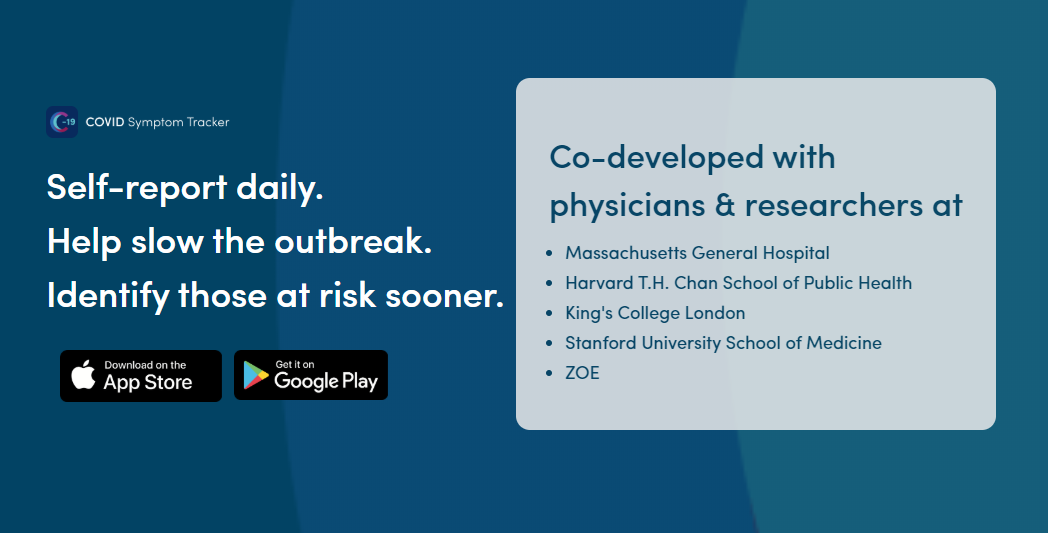
“Rather than sending out thousands of online or paper questionnaires, we teamed up with health data science company ZOE to develop a simple symptom-monitoring app called COVIDradar. The app was made from scratch in about four days and would normally take four months. Volunteer citizen scientists use it to report their health status daily and note the appearance of any new symptoms. Once we realized that there was nothing similar available in the UK to monitor symptoms on a population-wide level, we decided to make the app freely available to all.”

Staying socially connected in times of threat has benefits beyond helping us manage our mental well-being. Other people can provide us with practical support, like picking up groceries or passing on relevant information, as well as emotional support. This feeling is called social solidarity, and if we get it right we’ll be much better equipped to respond to this and other crises.
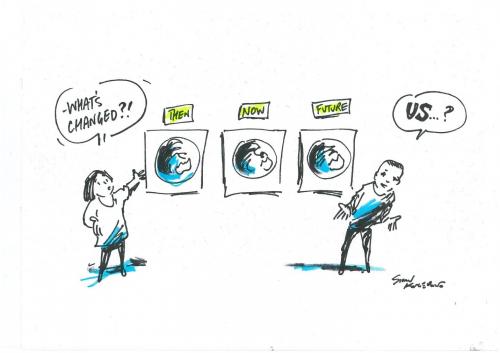
Michael Quinn Patton, a giant in the field of evaluation, has been getting queries from colleagues young and old, novice evaluators and long-time practitioners, asking how he’s making sense of the global health emergency and what I think the implications may be for evaluation. Her’s his take on where we are and what it means.

Having already released a curated collection of existing conbtent relating to the nexus of pandemics and transportation, the National Academies’ Transportation Research Board is looking for other sources of useful information outside of academic journals.
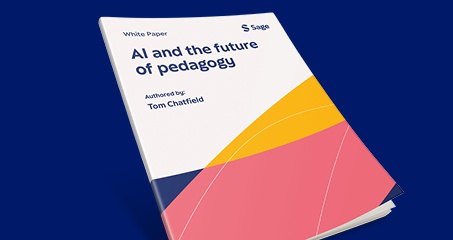
When people trust science, they can make better decisions, follow helpful rules and work together on big problems like health, climate change […] Do you know a social or behavioral science researcher whose work resonates across disciplines and which has made a significant impact in […] Please note: this contest has now closed. The winner will be contacted in due course. This November, Sage and Overton invite you to share the unexpected […] The latest generation of artificial intelligence models is sharper and smoother, producing polished text with fewer errors and hallucinations. As a philosophy […] In a new white paper by Tom Chatfield, the philosopher of tech and critical thinking outlines a practical roadmap for integrating artificial intelligence into […] Distance learning far precedes the digital age. Before online courses, people relied on print materials (and later radio and other technologies) to […]
EXPLORE
Impact

There Is a Cost to Being Honest About Science
READ MORE

Outstanding Social and Behavioral Scientists Sought for Sage-CASBS Award
READ MORE
![Share Your Most Surprising Policy Citation for Chance to Win $500 [Closed]](https://www.socialsciencespace.com/wp-content/themes/conferpress/images/default_thumbnail-new-border.jpg "Share Your Most Surprising Policy Citation for Chance to Win $500 [Closed]")
Share Your Most Surprising Policy Citation for Chance to Win $500 [Closed]
READ MORE
Innovation

An AI Authorship Protocol Aims to Sharpen a Sometimes-Fuzzy Line
READ MORE

A Box Unlocked, Not A Box Ticked: Tom Chatfield on AI and Pedagogy
READ MORE

AI Gaming of Some Online Courses Threatens Their Credibility
READ MORE