


Could Distributed Peer Review Better Decide Grant Funding?
The landscape of academic grant funding is notoriously competitive and plagued by lengthy, bureaucratic processes, exacerbated by difficulties in finding willing reviewers. Distributed […]

Census 2020 is far from the first census to set off bitter political fights. One hundred years ago, results from Census 1920 initiated a decadelong struggle about how to allocate a state’s seats in Congress. The political arguments were so bitter that Congress eventually decided they would not use Census 1920 results.
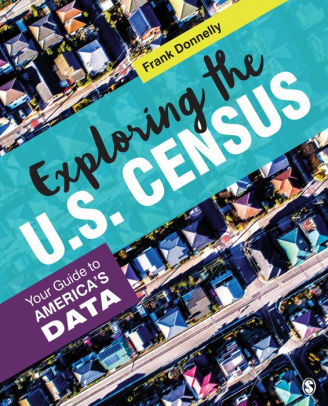
The concept of the labor force describes a person’s employment status, and like all U.S. Census Bureau definitions, the terminology is quite specific. The labor force consists of all people 16 years of age or older who are working (employed), are not working but are actively seeking work (unemployed)…
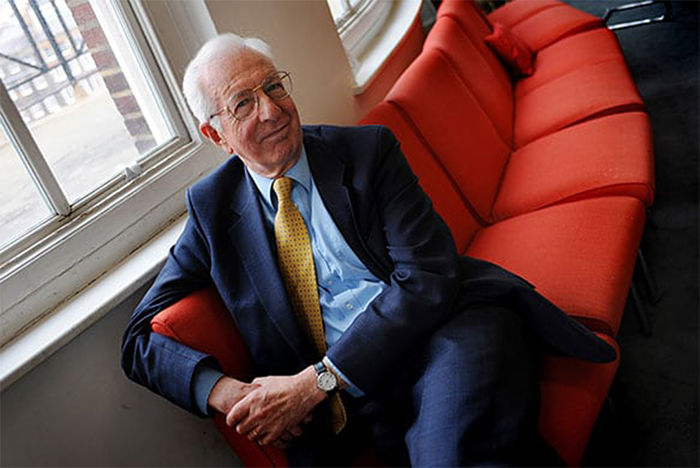
Richard Layard remembers being a history student sitting in Oxford’s Bodleian Library on a misty morning, reading philosopher Jeremy Bentham (he of the famed “It is the greatest happiness of the greatest number that is the measure of right and wrong”). As he recounts to interviewer David Edmonds in this Social Science Bites podcast, he thought, “Oh yes, this is what it’s all about.”

David Canter comments on the propaganda value of the British Government proposal to use ‘lie detectors’ with convicted terrorists.
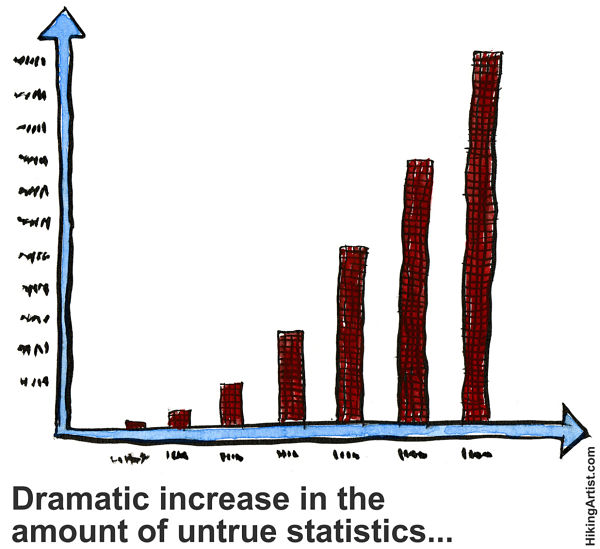
Statistics are not the final objective answer to things. They can be interpreted in lots of different ways, even when none of those ways is wrong per se. That opens up a space for public debate, which is good news, but it also opens up a space where statistics can either be lauded as the truth (when they are not), or dismissed out of hand as ‘biased’.
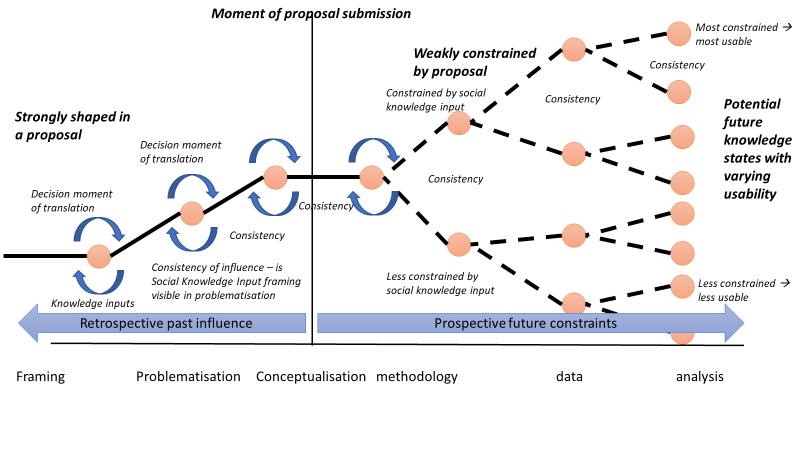
UK Research and Innovation, Britain’s main research funding body, is scrapping separate impact sections from all grant applications. Paul Benneworth and Julia Olmos Peñuela argue how impact statements can produce meaningful statements of the potential future impact of research and set out a framework for assessing these claims.
When most Americans think of the census, they think of the 10-year or decennial census that is used to gather basic data about the total population. The decennial census is an actual count of people and housing units, and it serves as the baseline for measuring and generating other census data-sets…

The importance of unlearning, or abandoning obsolete beliefs, values, knowledge, and routines, for the growth of both organizations and individuals, is generally well-known in management learning and human resource fields. But it often misses action on the level of the individual.

People often see science as a world apart: cool, rational and untouched by persuasion or performance. In this view, scientists simply discover […] “Research impact” means different things to different people. Some refer broadly to how science changes behaviors, beliefs, or practices outside academic institutions. […] One researcher studies how war affects children, another took a literal worm’s eye view to examine rural development, while two others scrutinized […] David Canter considers informal places where people socialize, suggesting they’re an arena ChatGPT and other LLMs can’no’t replicate. As someone who lives […] It’s become cliche since Clive Humbly coined it in 2006, but data is indeed the new oil. It’s a mantra repeated by […] In September 2025, The Guardian reported about a lawyer in Australia having faced sanctions due to false citations. These citations were not […]
EXPLORE
Impact

Scientists Should Keep in Mind It’s Called the ‘Marketplace of Ideas’ for a Reason
READ MORE

Survey Finds Social Scientists Feel Unsupported in Seeking Societal Impact
READ MORE

Canada’s SSHRC Names 2025 Impact Winners
READ MORE
Innovation

Reaching Parts to Which AI Has No Access
READ MORE

Andrea Medina-Smith on Making Research Data More FAIR
READ MORE

A Status Check on Hallucinated Case Law Incidents
READ MORE