


Could Distributed Peer Review Better Decide Grant Funding?
The landscape of academic grant funding is notoriously competitive and plagued by lengthy, bureaucratic processes, exacerbated by difficulties in finding willing reviewers. Distributed […]

When online charitable appeals take off, social psychologist Sander van der Linden perks up. He studies ‘viral altruism,’ and in this Social Science Bites podcast he details to host David Edmonds how he studies this phenomenon.
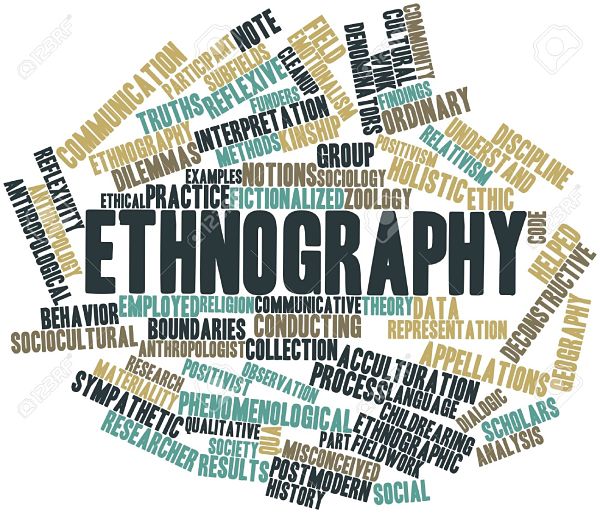
Steven Lubet, the author of ‘Interrogating Ethnography: Why Evidence Matters,’ explains the importance of his approach to investigating the discipline — to ‘put it on trial’ — and to reiterate the idea that accuracy matters in social science. Spurring on his restatement is a recent review on Social Science Space that Lubet argues missed his point entirely.

A combination of influences — practice, classroom and POWER — has made Patricia Goodson’s book ‘Becoming an Academic Writer: 50 Exercises for Paced, Productive, and Powerful Writing’ a winner for many academics around the world, and now the Textbook & Academic Authors Association has awarded Goodson’s book with one of its 2018 Textbook Excellence Awards. We talk to the author about writing, both her own and perhaps yours!

Kenneth Jost has been watching the U.S. Supreme Court for decades, and producing annual yearbook looking at the term just passed. We asked him to reflect on his career and his subject. In this interview, originally posted in February, he predicted that “the fight over any Trump nominee would be a no-holds-barred battle.”
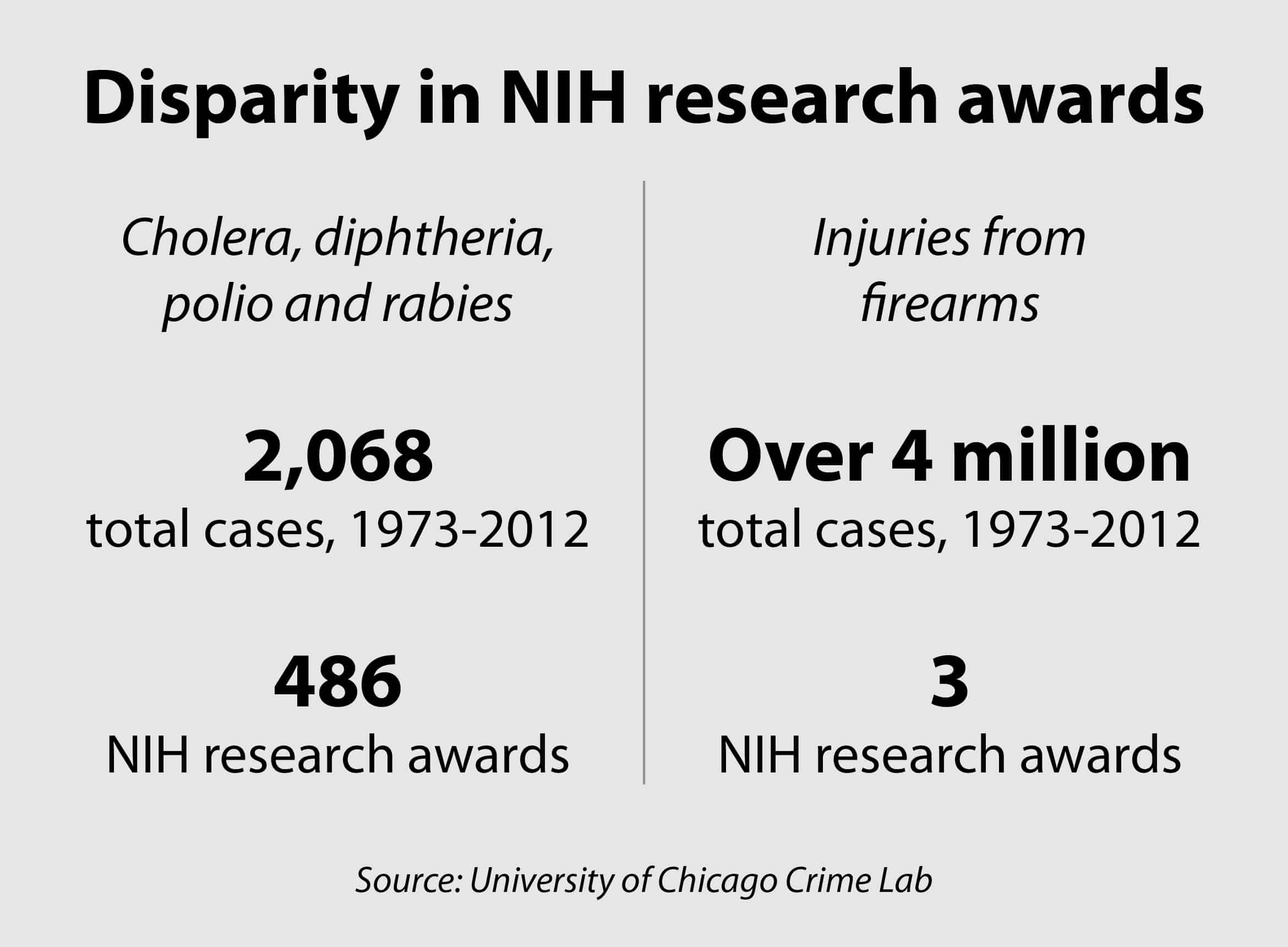
The research needed to answer questions about the role of firearms in acts of horrific mass violence doesn’t exist – and part of the problem is that the United States government largely doesn’t support it.

The appeal of collaborating with a government agency, or an organization funded by one, seems obvious. In practice, however, it’s not always easy to make collaborative research work well. Susan Dodsworth and Nic Cheeseman outline some simple lessons for those looking to collaborate while avoiding the common pitfalls.
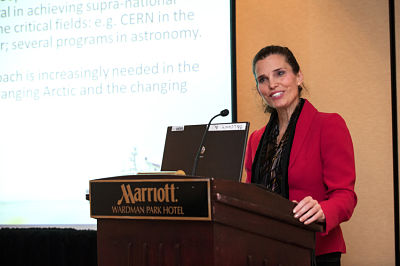
Canada’s Social Sciences and Humanities Research Council of Canada, or SSHRC, has announced the membership of its 18-member governing council.
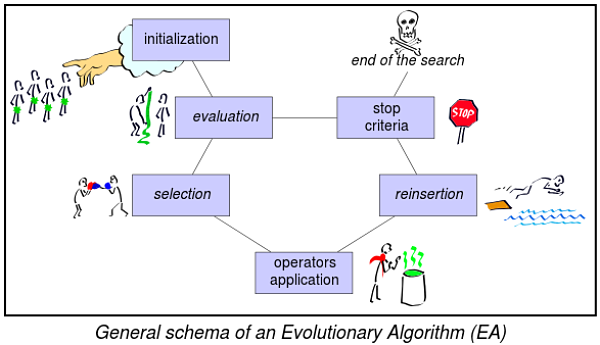
When discussing the nexus of computer science and social science, the transaction is usually in one direction – what can computer scientists do for social scientists. But a recent paper from Tufts University anthropologist Nick Seaver reverses that flow, using the tool of ethnography to interrogate the tools of engineering.

People often see science as a world apart: cool, rational and untouched by persuasion or performance. In this view, scientists simply discover […] “Research impact” means different things to different people. Some refer broadly to how science changes behaviors, beliefs, or practices outside academic institutions. […] One researcher studies how war affects children, another took a literal worm’s eye view to examine rural development, while two others scrutinized […] David Canter considers informal places where people socialize, suggesting they’re an arena ChatGPT and other LLMs can’no’t replicate. As someone who lives […] It’s become cliche since Clive Humbly coined it in 2006, but data is indeed the new oil. It’s a mantra repeated by […] In September 2025, The Guardian reported about a lawyer in Australia having faced sanctions due to false citations. These citations were not […]
EXPLORE
Impact

Scientists Should Keep in Mind It’s Called the ‘Marketplace of Ideas’ for a Reason
READ MORE

Survey Finds Social Scientists Feel Unsupported in Seeking Societal Impact
READ MORE

Canada’s SSHRC Names 2025 Impact Winners
READ MORE
Innovation

Reaching Parts to Which AI Has No Access
READ MORE

Andrea Medina-Smith on Making Research Data More FAIR
READ MORE

A Status Check on Hallucinated Case Law Incidents
READ MORE