


Could Distributed Peer Review Better Decide Grant Funding?
The landscape of academic grant funding is notoriously competitive and plagued by lengthy, bureaucratic processes, exacerbated by difficulties in finding willing reviewers. Distributed […]
The first swipe at a federal budget from the Donald Trump White House does not mention the National Science Foundation, which is the largest single funder of university-based social science in the United States.
During the recording of every Social Science Bites podcast, the guest has been asked the following: Which piece of social science research has most inspired or most influenced you? And now, in honor of the 50th Bites podcast to air, journalist and interviewer David Edmonds has compiled those responses into three separate montages. The second appears here, with answers – presented alphabetically – from Bites’ guests ranging from Sarah Franklin to Angela MacRobbie.
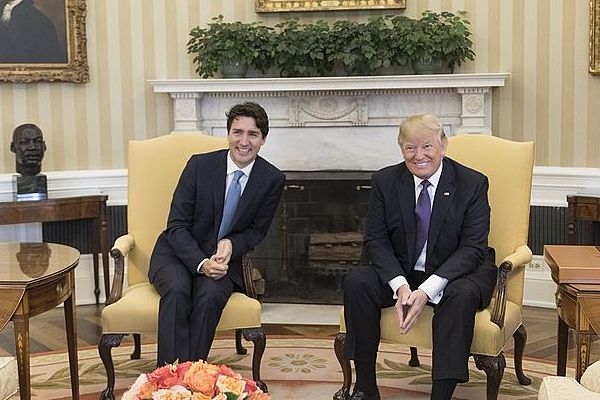
Elizabeth N. Saunders, an assistant professor of political science and international affairs at George Washington University, wrote the following post which appeared The Washington Post’s Monkey Cage blog on November 9, 2016. In this year’s Duckies awards, officially known as the International Studies Association’s Online Media Caucus awards, Saunders’ post was named best individual blog post of 2016.
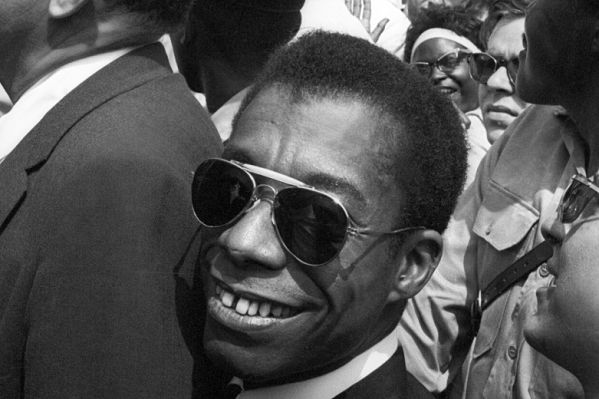
Three remarkable documentaries and a new play focus on race in America and the political responses to it, reports our blogger Howard Silver.
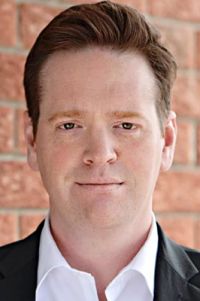
The Federation of Humanities and Social Sciences of Canada has settled on the sitting public affairs chief of the Canadian Cancer Society as the federation’s new permanent executive director.
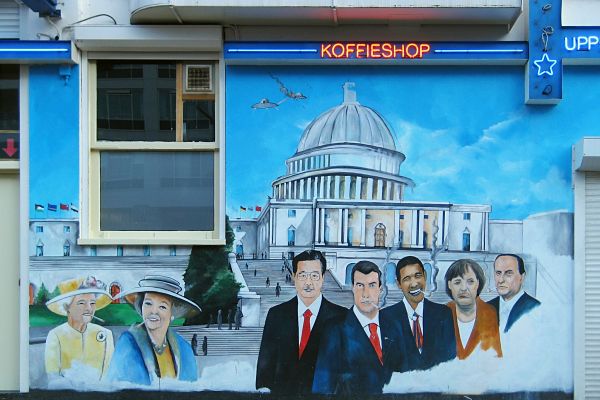
Colorado legalized recreational marijuana five years ago. That’s provided time for a natural experiment on what pot means for health, crime, agriculture, business — and tourism.

Professor Shamit Saggar of the University of Essex discusses the back story of the South East Network for Social Sciences and how it intends to training doctoral students amid a background of rapidly evolving social science.

Is Trump’s presidency part of a larger movement toward a solipsistic world? asks Peter Neal Peregrine. And if so, which solipsist gets to say what is fact and what is not? And where does that leave science?
People often see science as a world apart: cool, rational and untouched by persuasion or performance. In this view, scientists simply discover […] “Research impact” means different things to different people. Some refer broadly to how science changes behaviors, beliefs, or practices outside academic institutions. […] One researcher studies how war affects children, another took a literal worm’s eye view to examine rural development, while two others scrutinized […] David Canter considers informal places where people socialize, suggesting they’re an arena ChatGPT and other LLMs can’no’t replicate. As someone who lives […] It’s become cliche since Clive Humbly coined it in 2006, but data is indeed the new oil. It’s a mantra repeated by […] In September 2025, The Guardian reported about a lawyer in Australia having faced sanctions due to false citations. These citations were not […]
EXPLORE
Impact

Scientists Should Keep in Mind It’s Called the ‘Marketplace of Ideas’ for a Reason
READ MORE

Survey Finds Social Scientists Feel Unsupported in Seeking Societal Impact
READ MORE
Canada’s SSHRC Names 2025 Impact Winners
READ MORE
Innovation

Reaching Parts to Which AI Has No Access
READ MORE

Andrea Medina-Smith on Making Research Data More FAIR
READ MORE

A Status Check on Hallucinated Case Law Incidents
READ MORE