

Could Distributed Peer Review Better Decide Grant Funding?
The landscape of academic grant funding is notoriously competitive and plagued by lengthy, bureaucratic processes, exacerbated by difficulties in finding willing reviewers. Distributed […]
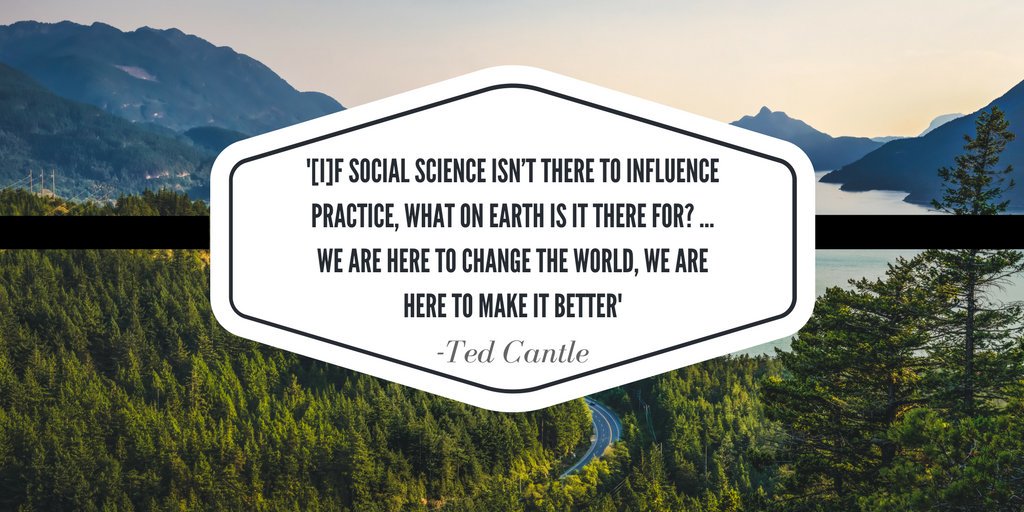
Social Science Bites, a series of interviews with leading social scientists, reached a milestone with its 50th podcast — Gary King on Big Data Analysis — in March 2017. This Storify of tweets presents a memorable quote from each of those first 50 interviews.
On May 5, Congress finally cleared the fiscal year 2017 spending bill package, which included increases for the National Institutes of Health and flat funding for the National Science Foundation. Weeks later, President Trump unveiled his fiscal year 2018 budget, which includes sweeping cuts to NIH, NSF and federally-funded science research and education.

Alan B. Krueger, presently the Bendheim Professor of Economics and Public Policy at Princeton and formerly chairman of President Barack Obama’s Council […]
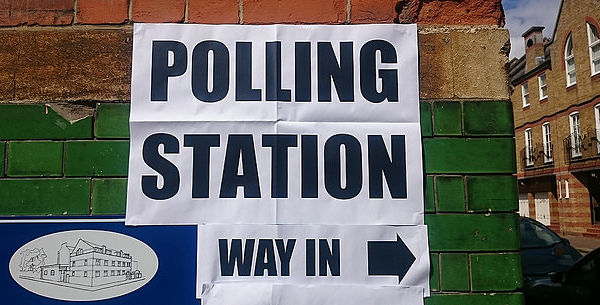
For social scientists, there must be a concern that a generation’s worth of accumulated empirical evidence on effective leadership has made so little impact on the candidates in the upcoming General Election in the United Kingdom.
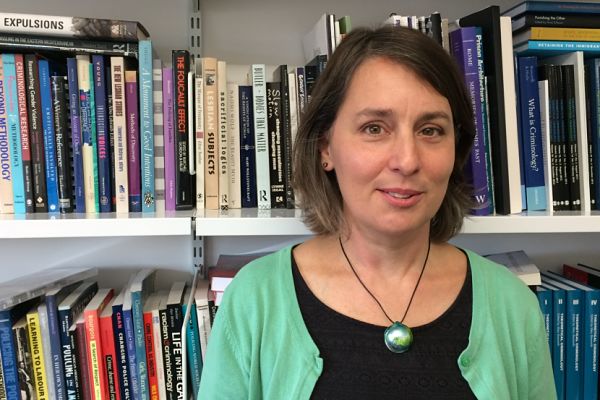
Border criminology, Mary Bosworth details in this Social Science Bites podcast, is trying to understand both things that are happening at the border but also things that are happening in our criminal justice system.

During the past month, the number 100, usually associated with the word days, has been prominent in our public discourse. This column will not add to the cacophony of assessments, condemnations, or in some quarters, celebrations of the new American president. Instead, it will focus on another time frame for 100, years.

Ask a number of influential social scientists who in turn influenced them, and you’d likely get a blue-ribbon primer on the classics in social science. And so it as we present the third and final series of answers to that question drawn from the first 50 guests on the Social Science Bites podcast series.
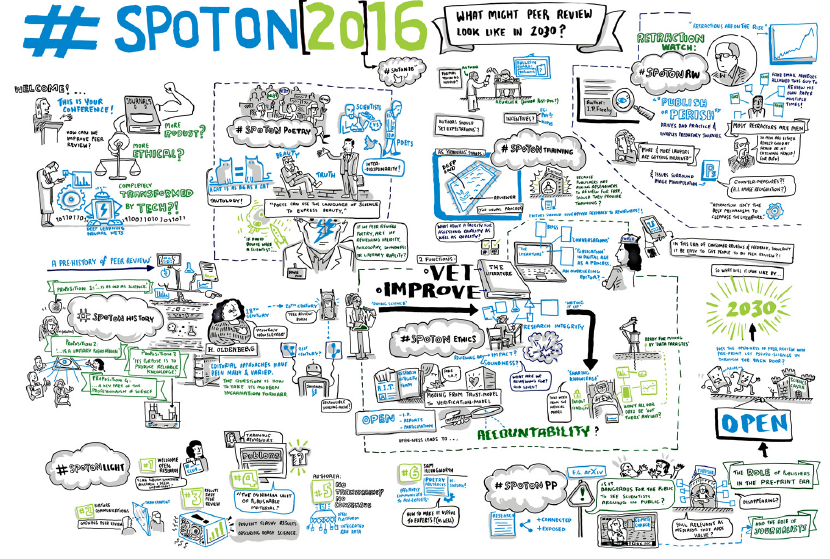
The founder of StateReviewer outlines a future where humans are written out of the publication process by artificial intelligence. But is the goal of eradicating bias and other malignancies potentially opening the door to a new set of ills?

Euan Adie, the founder of Altmetric and later of Overton, discusses the reasons the led to Overton’s focus on showing researchers how […] Here’s a couple of quick questions for you. What is the smallest of the eight discipline-based directorates at the United States’ National […] Sage’s 10-Year Impact Awards recognize academic papers appearing in Sage-published journals that have achieved lasting impact. The winning papers are the most […] I was adding some final flourishes on the topic of ‘iatrocracy’ to my forthcoming book with Natewindé Sawadogo – Sickness and Social […] How is AI changing the shape and space of higher education? Critical thinking continues to rank highly among key skills and attributes […] My colleagues and I recently spoke with a group of talented, interesting students who just completed their first year of college about […]
EXPLORE
Impact
Quick Insight: Euan Adie on Getting Academics Credit for Their Impact
READ MORE

NSF’s Embattled SBE Directorate Shown as Agency’s Policy Heavyweight
READ MORE
Sage’s 10-Year Impact Awards Capture Longer-Term Significance
READ MORE
Innovation

AI and ‘Iatrocracy’ – A Cautionary Tale
READ MORE

The Critical Student: How GenAI Reshapes Critical Skills and Higher Education’s Role Preparing Students For It
READ MORE

AI Doesn’t Drive Student Cheating. It Just Hitches a Ride
READ MORE