NSF Spotlights Social Science in Dealing with Disaster
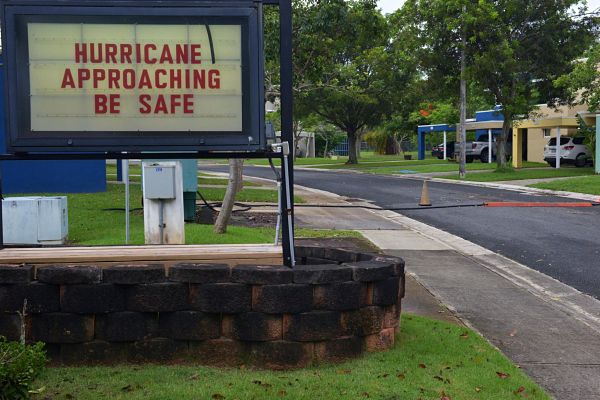
And good social science can show the way.
Using footage from the Hurricane Irma and other deadly storms, the video “Social science: Essential when the storm strikes,” explains how NSF-funded research contributes to saving lives, such as learning how best to explain to coastal residents the dangers of a storm surge so that the residents take steps to protect themselves. Other areas where social science has made a difference is in emergency planning and evacuation processes, the video notes.
The role of basic social science research in addressing natural disasters isn’t unknown, just rarely noted. When members of the House of Representatives considered cuts to federal funding for social and behavioral science in 2014, one of their colleagues emphasized these links using a specific NSF program’s contributions. “NSF’s Political Science Program helps us gain a better understanding of public reactions to natural disasters,” North Carolina’s David Price testified, “including Hurricane Katrina, which was researched at Rice University, as well as to the BP oil spill, which was researched at Louisiana State University.” Price is a political scientist who taught at Duke University before heading to Washington, D.C.
Spotlighting this nexus has proven important in ensuring that federal funding continues to flow to social and behavioral research. This need was spotlighted by a Rice political scientist, Rick Wilson, whose work focuses on cooperation and conflict, in fending off an earlier congressional attack on social science research budgets. “In my own case,” he told Grace Conyers in 2013, “I am interested in the human problems associated with natural disasters and there are other programs at NSF that provide funding for basic research. Private funding through corporations is a possibility, but that work is very applied, rarely leads to new basic research and often results in proprietary data that cannot be shared. Basic research questions are better left to be federally funded so that potential for biases is removed.”
NSF itself has long recognized the important role that social and behavioral science plays in dealing with disasters, even as it also notes the role of physical sciences and engineering that are more likely to be associated with disaster planning or response. For example, in 2000 a 14-page report from NSF, “Disasters & Hazard Mitigation living more safely on a restless planet,” included social science squarely among the seismic, meteorological, engineering and computing research undertaken. “All the science-based predictions and warnings in the world will not mitigate a natural disaster made more devastating by human folly. … the sharply upward trend in the costs of natural disasters is attributable not so much to the occurrence of more hazards but rather to human choices that place more of our structures and possessions at risk.”