


Could Distributed Peer Review Better Decide Grant Funding?
The landscape of academic grant funding is notoriously competitive and plagued by lengthy, bureaucratic processes, exacerbated by difficulties in finding willing reviewers. Distributed […]


SAGE Publishing and the Center for Advanced Study in the Behavioral Sciences at Stanford University will present sociologist William Julius Wilson, a leader for a half century in the study of race and inequality in the United States, the 2017 SAGE-CASBS Award.
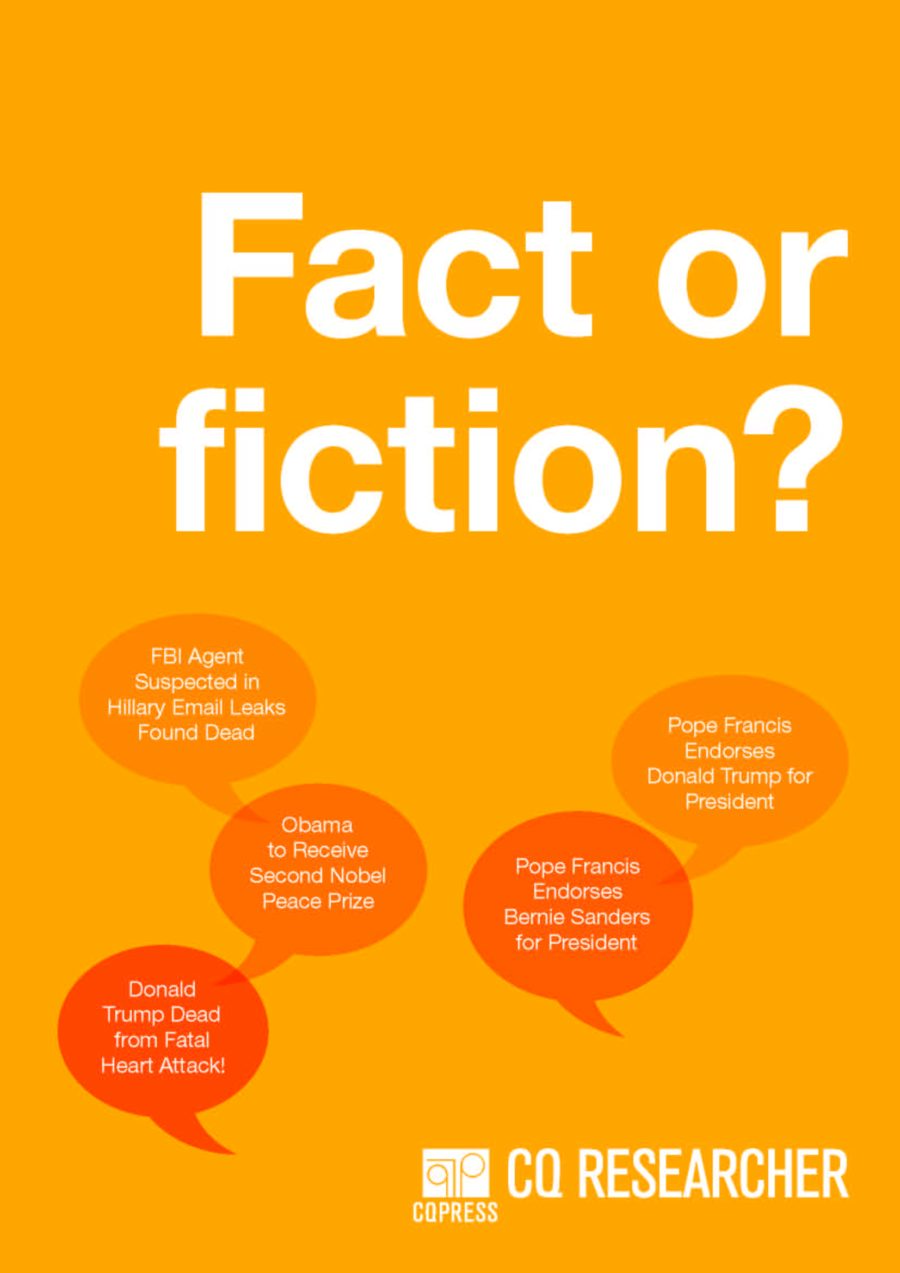
Concerned about the proliferation of fake news, CQ Press has created a short checklist aimed at students and teachers that offers some tools for divining what’s solid news and what’s bogus.
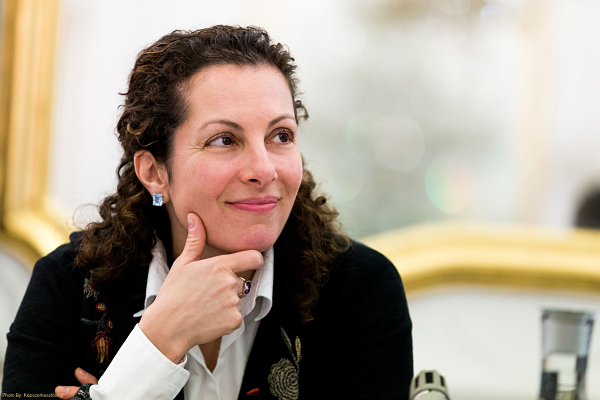
Expertise in governing has been under attack, argues Beth Simone Noveck, but not just in recent demagogic attacks on “the elites.” For years, she explains in the annual SAGE/Campaign for Social Science lecture delivered November 22 in London, the expertise of the populace has been structurally excluded from the levers of power.

SAGE Publishing is providing free access to a range of academic research which engages directly with the Brexit referendum and its potential impacts or gives a background on the UK-EU relationship.

Earlier this month, SAGE Publishing — the parent of Social Science Space — held the webinar Survey Tips for Librarians with survey research […]

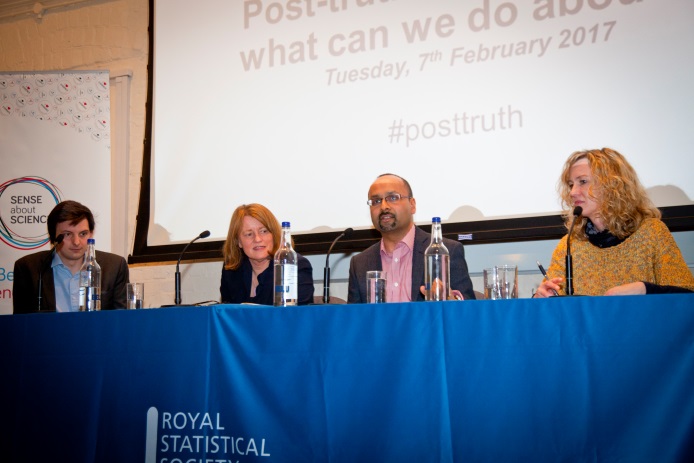
Last month the webinar “Battling Bannings- Authors discuss intellectual freedom and the freedom to read” saw Index on Censorship’s Vicky Baker moderate a discussion between historian Wendy Doniger and children’s book authors Christine Baldacchino and Jessica Herthel.

In this archived hour-long seminar, Social Science Space blogger Robert Dingwall discusses the organizational requirements and the useful skills that can be built to support the individual who wants to be a reasearch manager and the ecosystem — in both social science and STEM settings — that can support such striving.
[We’re pleased to welcome Herman Aguinis of George Washington University School of Business. Herman recently published an article in Organizational Research Methods […]

The Royal Swedish Academy of Sciences has awarded this year’s Nobel Prize in Economic Sciences to the American economists Robert E. Hall […] Four Americans working in the social and behavioral sciences are among the 20 people named MacArthur Fellows this year. Recipients may be […] Euan Adie, the founder of Altmetric and later of Overton, discusses the reasons the led to Overton’s focus on showing researchers how […] The following is an adapted extract from The Cultural Industries, fifth edition, by David Hesmondhalgh. The increasing presence of information technology (IT) […] Developers of AI data centers have a public trust problem. According to multiple surveys, a majority of Americans say they would oppose […] I was adding some final flourishes on the topic of ‘iatrocracy’ to my forthcoming book with Natewindé Sawadogo – Sickness and Social […]
EXPLORE
Impact
Economic Peaks, Troughs and This Year’s Nobelists in Economics
READ MORE
Four From Social Science World Receive 2026 MacArthur Fellowships
READ MORE

Quick Insight: Euan Adie on Getting Academics Credit for Their Impact
READ MORE
Innovation
IT Giants and Their Operations: Should We Be Concerned?
READ MORE

What We Miss When We Study Public Trust with Surveys Alone
READ MORE

AI and ‘Iatrocracy’ – A Cautionary Tale
READ MORE