

Could Distributed Peer Review Better Decide Grant Funding?
The landscape of academic grant funding is notoriously competitive and plagued by lengthy, bureaucratic processes, exacerbated by difficulties in finding willing reviewers. Distributed […]

In an effort to prevent ‘gaming’ the REF, new recommendation from Lord Stern cuts down on the freedom of academics to move from institution as they see fit. Is the cure worse than the disease?
Mylynn Felt, author of a popular paper on social media and the social sciences, hopes to see a growing blend of established qualitative techniques with newly emerging big data research methods in future social science work.
A Ph.D. geography student from King’s College London whose efforts to share with the public stories of social science work and research in the field were both effective and inspiring has been named the 2016 Impact Champion by Britain’s Economic and Social Research Council.

A collection of academic articles from three journals published by SAGE examine the questions whirling around the Brexit vote. As Angus Armstrong and Jonathan Portes say, ‘The phony war is over!’
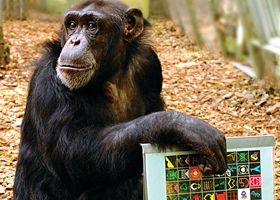
Two scientists at the Georgia State University Language Research Center argue that their basic research into memory can “yield profound and transformative results” in the study of autism and developmental delay — hardly fitting the description of “trivial, unnecessary, or duplicative” that Senator Jeff Flake labeled it in a recent report.
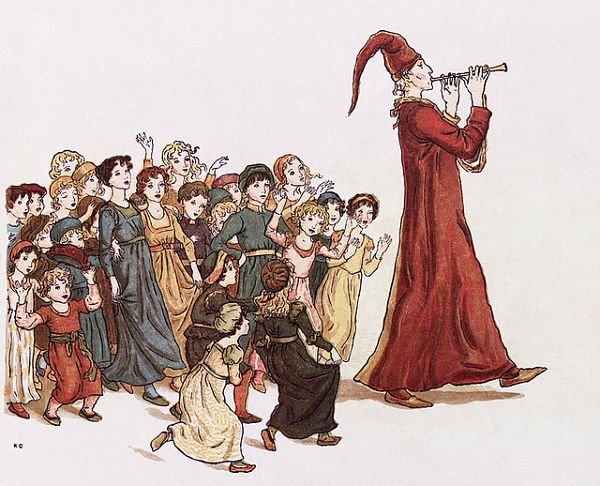
As social scientists are pressured to be part of the policy-making process, that’s easier said than done, explains James Lloyd. He gives six reasons why sometimes research won’t (and perhaps shouldn’t) impact change.

Isabel Sawhill and Ron Haskins, says a colleague, ‘have forged a unique and powerful intellectual partnership at Brookings, founding and then elevating the Center on Children and Families and producing world-class work on families, poverty, opportunity, evidence, parenting, work, education, and plenty more besides.’ Watch their Moynihan Lecture here..
In this column from the Association for Psychological Science, David Yokum, a leader of the Obama administration’s Social and Behavioral Sciences Team, details what that nudge team has been doing.

The Royal Swedish Academy of Sciences has awarded this year’s Nobel Prize in Economic Sciences to the American economists Robert E. Hall […] Four Americans working in the social and behavioral sciences are among the 20 people named MacArthur Fellows this year. Recipients may be […] Euan Adie, the founder of Altmetric and later of Overton, discusses the reasons the led to Overton’s focus on showing researchers how […] The following is an adapted extract from The Cultural Industries, fifth edition, by David Hesmondhalgh. The increasing presence of information technology (IT) […] Developers of AI data centers have a public trust problem. According to multiple surveys, a majority of Americans say they would oppose […] I was adding some final flourishes on the topic of ‘iatrocracy’ to my forthcoming book with Natewindé Sawadogo – Sickness and Social […]
EXPLORE
Impact
Economic Peaks, Troughs and This Year’s Nobelists in Economics
READ MORE
Four From Social Science World Receive 2026 MacArthur Fellowships
READ MORE

Quick Insight: Euan Adie on Getting Academics Credit for Their Impact
READ MORE
Innovation

IT Giants and Their Operations: Should We Be Concerned?
READ MORE

What We Miss When We Study Public Trust with Surveys Alone
READ MORE

AI and ‘Iatrocracy’ – A Cautionary Tale
READ MORE