


Could Distributed Peer Review Better Decide Grant Funding?
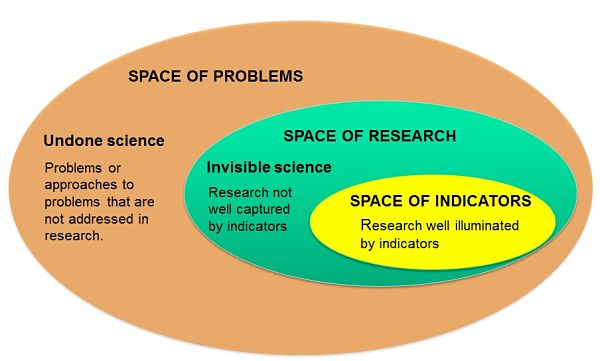
The landscape of academic grant funding is notoriously competitive and plagued by lengthy, bureaucratic processes, exacerbated by difficulties in finding willing reviewers. Distributed […]
In the final installment of the 10 top essays submitted to the ESRC reflecting on how a social science-influenced world will look in 2015, we present Ian Quigg’s ruminations on what capitalism will look like after another half century’s buffeting by the ‘perennial gale of creative destruction.’
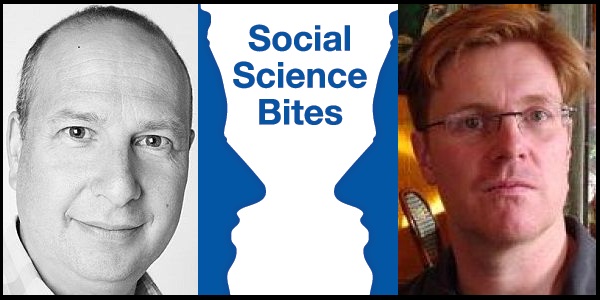
This month, a collection of 18 Social Science Bites podcasts has been released by Social Science Space’s parent, SAGE Publishing in book form. We talk with series co-host Dave Edmonds about Bites’ genesis and direction.
Social Science Space is presenting 10 shortlisted essays written by young social scientists in an ESRC competition looking at how social science might change the world in the next half century. This week we present Sam Miles’ question of whether greater exposure to the cyberworld is creating a dystopia or a utopia.
Social Science Space is presenting 10 shortlisted essays written by young social scientists in an ESRC competition looking at how social science might change the world in the next half century. This week we present Rebecca Wheeler’s hopes that applied cognitive psychology can and should improve policing.
Social Science Space is presenting 10 shortlisted essays written by young social scientists in an ESRC competition looking at how social science might change the world in the next half century. This week we present Matjaz Vidmar and his look at a unique environment for conducting academic research half a century hence …
Social Science Space is presenting 10 shortlisted essays written by young social scientists in an ESRC competition looking at how social science might change the world in the next half century. This week we present Louise Thompson who examines how great it would be if we could all play a bigger part in making changes to laws before they come into force, rather than just complaining about them afterwards

Stanford’s Albert Bandura, a psychologist who first gained acclaim for his study of learned violence involving a Bobo doll, has received one of seven National Medals of Science awarded by President Barack Obama this year.
Social Science Space is presenting 10 shortlisted essays written by young social scientists in an ESRC competition looking at how social science might change the world in the next half century. This week we present Kristin Hübner’s discussion on how feminist theory may erase socially constructed ideas about what gender is and how it functions.

Jürgen Habermas, a globally known social theorist whose explorations of democracy, validity and communication have gained new prominence in the current moment, […] People often see science as a world apart: cool, rational and untouched by persuasion or performance. In this view, scientists simply discover […] “Research impact” means different things to different people. Some refer broadly to how science changes behaviors, beliefs, or practices outside academic institutions. […] David Canter considers informal places where people socialize, suggesting they’re an arena ChatGPT and other LLMs can’no’t replicate. As someone who lives […] It’s become cliche since Clive Humbly coined it in 2006, but data is indeed the new oil. It’s a mantra repeated by […] In September 2025, The Guardian reported about a lawyer in Australia having faced sanctions due to false citations. These citations were not […]
EXPLORE
Impact
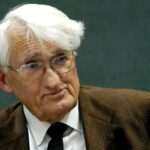
Jürgen Habermas, 1929-2026: Exponent of the Public Sphere
READ MORE

Scientists Should Keep in Mind It’s Called the ‘Marketplace of Ideas’ for a Reason
READ MORE

Survey Finds Social Scientists Feel Unsupported in Seeking Societal Impact
READ MORE
Innovation

Reaching Parts to Which AI Has No Access
READ MORE

Andrea Medina-Smith on Making Research Data More FAIR
READ MORE

A Status Check on Hallucinated Case Law Incidents
READ MORE