

Could Distributed Peer Review Better Decide Grant Funding?
The landscape of academic grant funding is notoriously competitive and plagued by lengthy, bureaucratic processes, exacerbated by difficulties in finding willing reviewers. Distributed […]
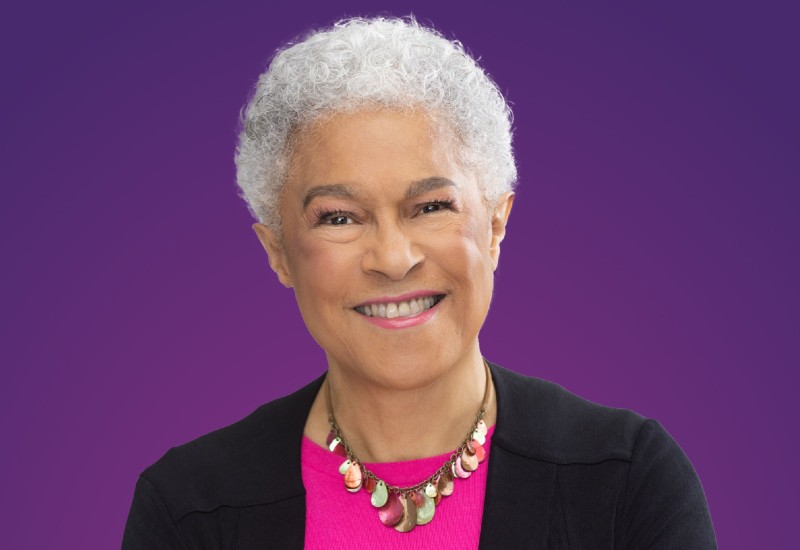
Patricia Hill Collins, a sociologist and social theorist whose work helped set the stage for theoretical examinations of intersectionality, especially for African-American women, was awarded the 2023 Berggruen Prize for Philosophy and Culture

Decades of research have seen economic historian Claudia Goldin methodically collate data and archival stories, detective style, to uncover explanations for the rise and fall (and rise again) of women’s paid employment over the centuries
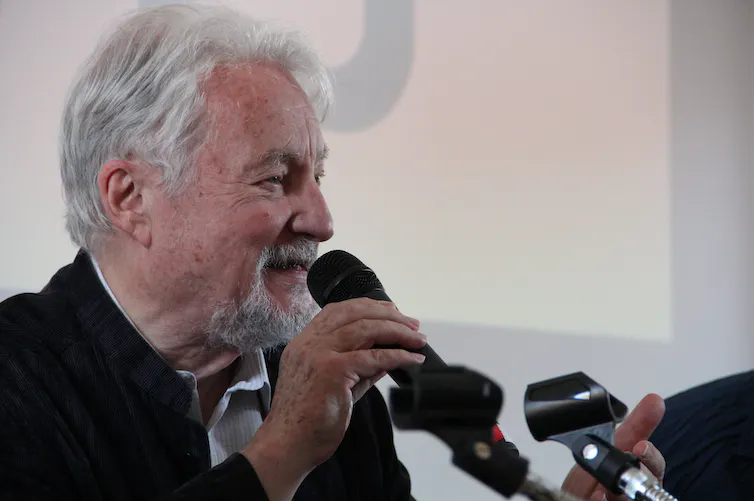
French anthropologist Marc Augé, who died on July 24, is renowned for his concept of “non-places”. His 1993 text of the same name describes a reality that is very much relevant to our everyday lives.

Recent experiences have not been very positive. The vast majority of proposals seem to conflate impact with research dissemination (a heroic leap of faith – changing the world one seminar at a time), or to outsource impact to partners such as NGOs and thinktanks.
Sociologist Norman K. Denzin, whose pioneering work in developing and popularizing qualitative research methodology saw him dubbed “the father of qualitative research,” died on August 6 in Urbana, Illinois. He was 82.
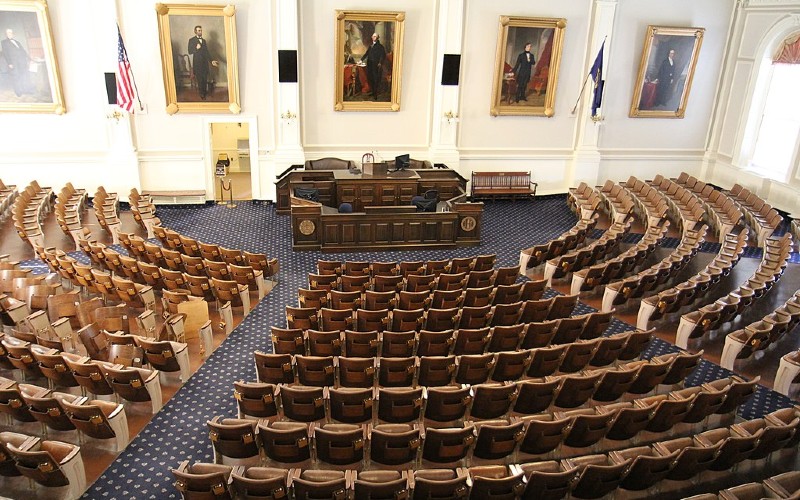
When communicating with a policymaker, especially one with whom you disagree, you want to stop them from discounting your opinion. One way to do this is by citing quality evidence to support your position.

Considering a series of proposed policy changes by the National Institutes of Health, Micah Altman and Philip N. Cohen, argue they highlight wider systematic gaps in the evaluation of operational science policies and signal an urgent need to increase funding for metascience.
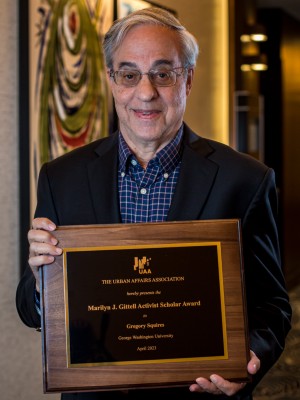
For his work on the many facets of the struggle to advance fair housing, the Urban Affairs Association has honored sociologist Gregory Squires with its 2023 Marilyn J. Gittell Activist Scholar Award.
Jürgen Habermas, a globally known social theorist whose explorations of democracy, validity and communication have gained new prominence in the current moment, […] People often see science as a world apart: cool, rational and untouched by persuasion or performance. In this view, scientists simply discover […] “Research impact” means different things to different people. Some refer broadly to how science changes behaviors, beliefs, or practices outside academic institutions. […] David Canter considers informal places where people socialize, suggesting they’re an arena ChatGPT and other LLMs can’no’t replicate. As someone who lives […] It’s become cliche since Clive Humbly coined it in 2006, but data is indeed the new oil. It’s a mantra repeated by […] In September 2025, The Guardian reported about a lawyer in Australia having faced sanctions due to false citations. These citations were not […]
EXPLORE
Impact
Jürgen Habermas, 1929-2026: Exponent of the Public Sphere
READ MORE

Scientists Should Keep in Mind It’s Called the ‘Marketplace of Ideas’ for a Reason
READ MORE

Survey Finds Social Scientists Feel Unsupported in Seeking Societal Impact
READ MORE
Innovation

Reaching Parts to Which AI Has No Access
READ MORE

Andrea Medina-Smith on Making Research Data More FAIR
READ MORE

A Status Check on Hallucinated Case Law Incidents
READ MORE