




Could Distributed Peer Review Better Decide Grant Funding?
The landscape of academic grant funding is notoriously competitive and plagued by lengthy, bureaucratic processes, exacerbated by difficulties in finding willing reviewers. Distributed […]

The slow, relentless creep of computing is currently in overdrive with powerful artificial intelligence tools impacting every aspect of our lives. What […]

Philosophy has been instrumental to AI since its inception, and should still be an important contributor as artificial intelligence evolves..

The new AI Disclosures Project seeks to create structures that both recognize the commercial enticements of AI while ensuring that issues of safety and equity are front and center in the decisions private actors make about AI deployment.

If schools provide the proper support and resources, they will help educators move from anxiety to empowerment when integrating AI into the classroom.

An article in the journal Psychological Science, “The New Statistics: Why and How” by La Trobe University’s Geoff Cumming, has proved remarkably popular in the years since and is the third-most cited paper published in a Sage journal in 2013.

By carefully interrogating the system of economic incentives underlying innovations and how technologies are monetized in practice, we can generate a better understanding of the risks, both economic and technological, nurtured by a market’s structure.
You’ve likely heard the hype around artificial intelligence, or AI, but do you find ChatGPT genuinely useful in your professional life? A free course offered by Sage Campus could change all th
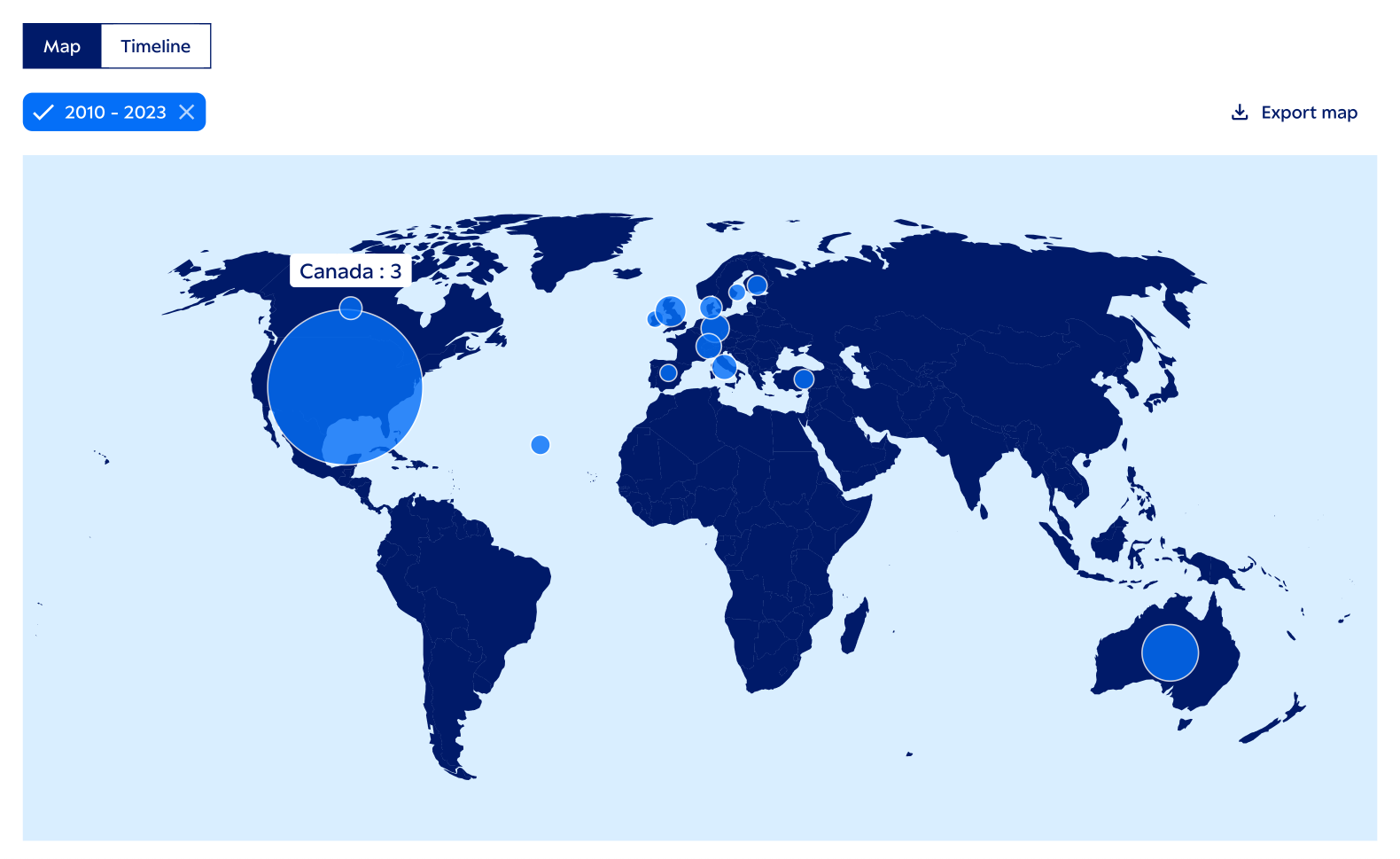
Euan Adie, founder of Altmetric and Overton and currently Overton’s managing director, answers questions about the outsized impact that SBS makes on policy and his work creating tools to connect the scholarly and policy worlds.

The Royal Swedish Academy of Sciences has awarded this year’s Nobel Prize in Economic Sciences to the American economists Robert E. Hall […] Four Americans working in the social and behavioral sciences are among the 20 people named MacArthur Fellows this year. Recipients may be […] Euan Adie, the founder of Altmetric and later of Overton, discusses the reasons the led to Overton’s focus on showing researchers how […] The following is an adapted extract from The Cultural Industries, fifth edition, by David Hesmondhalgh. The increasing presence of information technology (IT) […] Developers of AI data centers have a public trust problem. According to multiple surveys, a majority of Americans say they would oppose […] I was adding some final flourishes on the topic of ‘iatrocracy’ to my forthcoming book with Natewindé Sawadogo – Sickness and Social […]
EXPLORE
Impact

Economic Peaks, Troughs and This Year’s Nobelists in Economics
READ MORE
Four From Social Science World Receive 2026 MacArthur Fellowships
READ MORE

Quick Insight: Euan Adie on Getting Academics Credit for Their Impact
READ MORE
Innovation
IT Giants and Their Operations: Should We Be Concerned?
READ MORE

What We Miss When We Study Public Trust with Surveys Alone
READ MORE

AI and ‘Iatrocracy’ – A Cautionary Tale
READ MORE