




Could Distributed Peer Review Better Decide Grant Funding?
The landscape of academic grant funding is notoriously competitive and plagued by lengthy, bureaucratic processes, exacerbated by difficulties in finding willing reviewers. Distributed […]
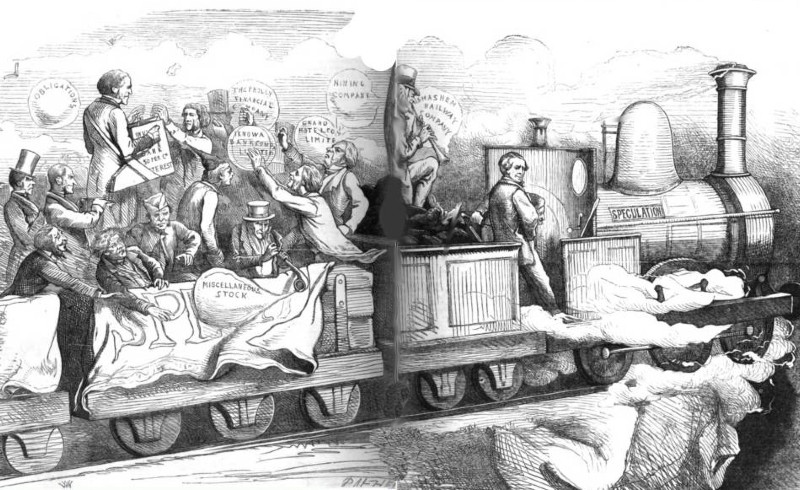
Cryptocurrencies are so last year. Today’s moral panic is about AI and machine learning. Governments around the world are hastening to adopt […]

Considering a series of proposed policy changes by the National Institutes of Health, Micah Altman and Philip N. Cohen, argue they highlight wider systematic gaps in the evaluation of operational science policies and signal an urgent need to increase funding for metascience.

The generalist degree has a big part to play in the emerging higher education landscape for graduates. Humanities, social science, general science, technology and creative industries fields such as design can deliver adaptable, flexible mindsets.

Machine learning tools like chatbots and virtual assistants can emulate the work of psychologists and psychotherapists and are even helping to address people’s basic therapeutic needs.
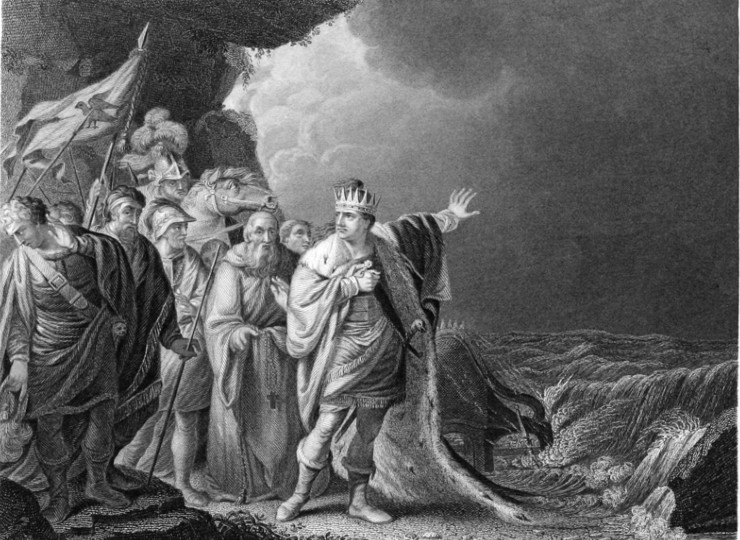
Who will use AI-assisted writing tools — and what will they use them for? The short answer, says Katie Metzler, is everyone and for almost every task that involves typing.

Artificial intelligence tools like OpenAI’s ChatGPT language model could make completing college coursework as simple as asking a computer questions and getting answers at the click of a button (to the prospective horror of some professors). In fact, 61 percent of college students say using AI tools will become the new normal, but does that new normal involve students learning or machines learning?

Several recent academic papers have listed ChatGPT as an author. But should the artificially intelligent writing bot be considered an academic author?

David Canter considers some implications of ChatGPT and what it tells us about real intelligence, general, artificial or otherwise.

The Royal Swedish Academy of Sciences has awarded this year’s Nobel Prize in Economic Sciences to the American economists Robert E. Hall […] Four Americans working in the social and behavioral sciences are among the 20 people named MacArthur Fellows this year. Recipients may be […] Euan Adie, the founder of Altmetric and later of Overton, discusses the reasons the led to Overton’s focus on showing researchers how […] The following is an adapted extract from The Cultural Industries, fifth edition, by David Hesmondhalgh. The increasing presence of information technology (IT) […] Developers of AI data centers have a public trust problem. According to multiple surveys, a majority of Americans say they would oppose […] I was adding some final flourishes on the topic of ‘iatrocracy’ to my forthcoming book with Natewindé Sawadogo – Sickness and Social […]
EXPLORE
Impact

Economic Peaks, Troughs and This Year’s Nobelists in Economics
READ MORE

Four From Social Science World Receive 2026 MacArthur Fellowships
READ MORE

Quick Insight: Euan Adie on Getting Academics Credit for Their Impact
READ MORE
Innovation

IT Giants and Their Operations: Should We Be Concerned?
READ MORE

What We Miss When We Study Public Trust with Surveys Alone
READ MORE

AI and ‘Iatrocracy’ – A Cautionary Tale
READ MORE












































































