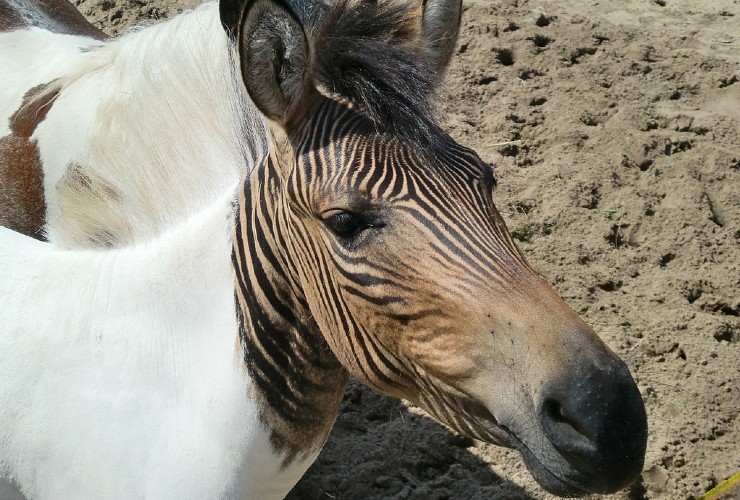

Could Distributed Peer Review Better Decide Grant Funding?
The landscape of academic grant funding is notoriously competitive and plagued by lengthy, bureaucratic processes, exacerbated by difficulties in finding willing reviewers. Distributed […]
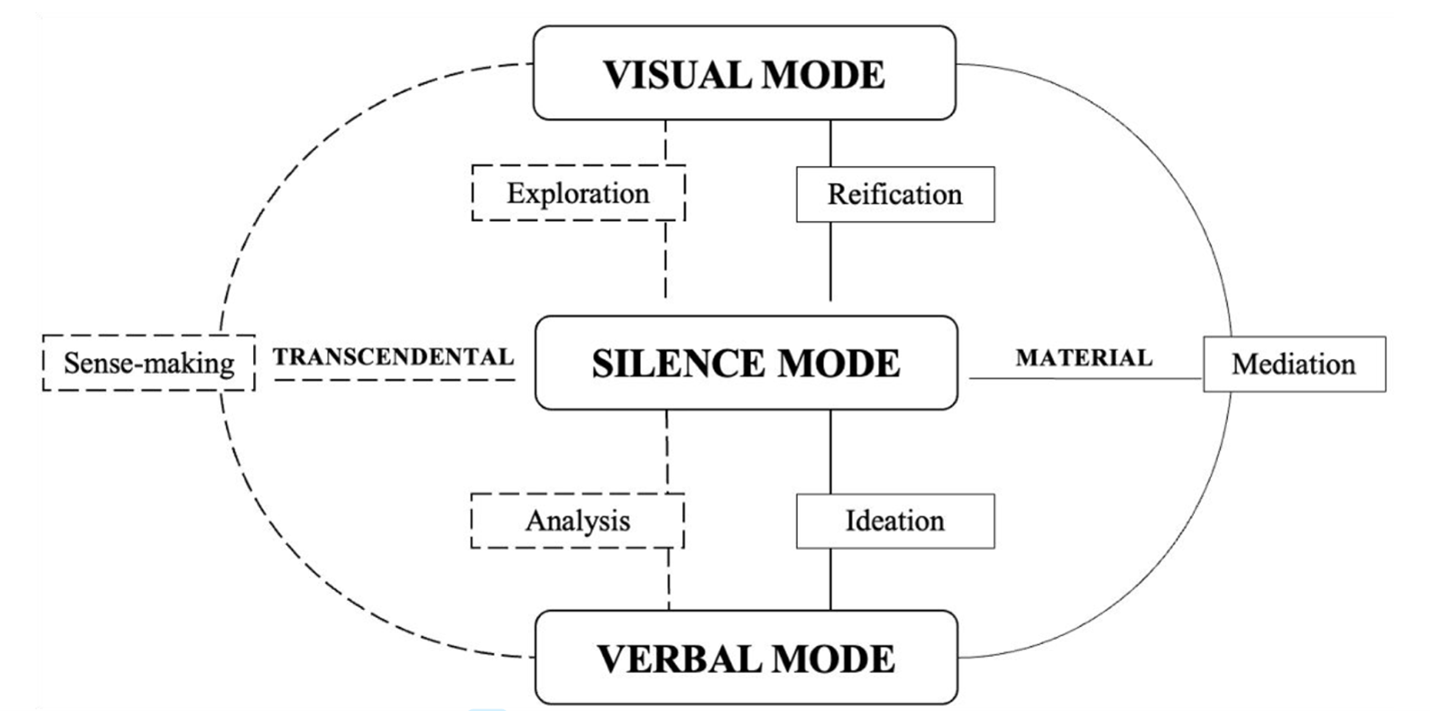
Authors Miikka J. Lehtonen and Valérie M. Saintot argue that we need more refined methodological approaches for studying silence
“Ah, but a man’s reach should exceed his grasp,” the poet Robert Browning once opined, “or what’s a heaven for?” That’s not […]

During the pandemic, sales manager Claire Cardy noticed that the dynamics of customer-salesperson interactions had somehow changed. Cardy decided to explore what was happening and why.

Inés P Murillo-Huertas, Raúl Ramos, Hipólito Simón, and Raquel Simón-Albert reflect on their paper, “Is multidimensional precarious employment higher for women?” recently published in the Journal of Industrial Relations.

Critical ignoring is the ability to choose what to ignore and where to invest one’s limited attentional capacities.
Kathryn Paige Harden, director of the Developmental Behavior Genetics Lab and co-director of the Texas Twin Project at the University of Texas, discusses how much influence our DNA has on our PhD.
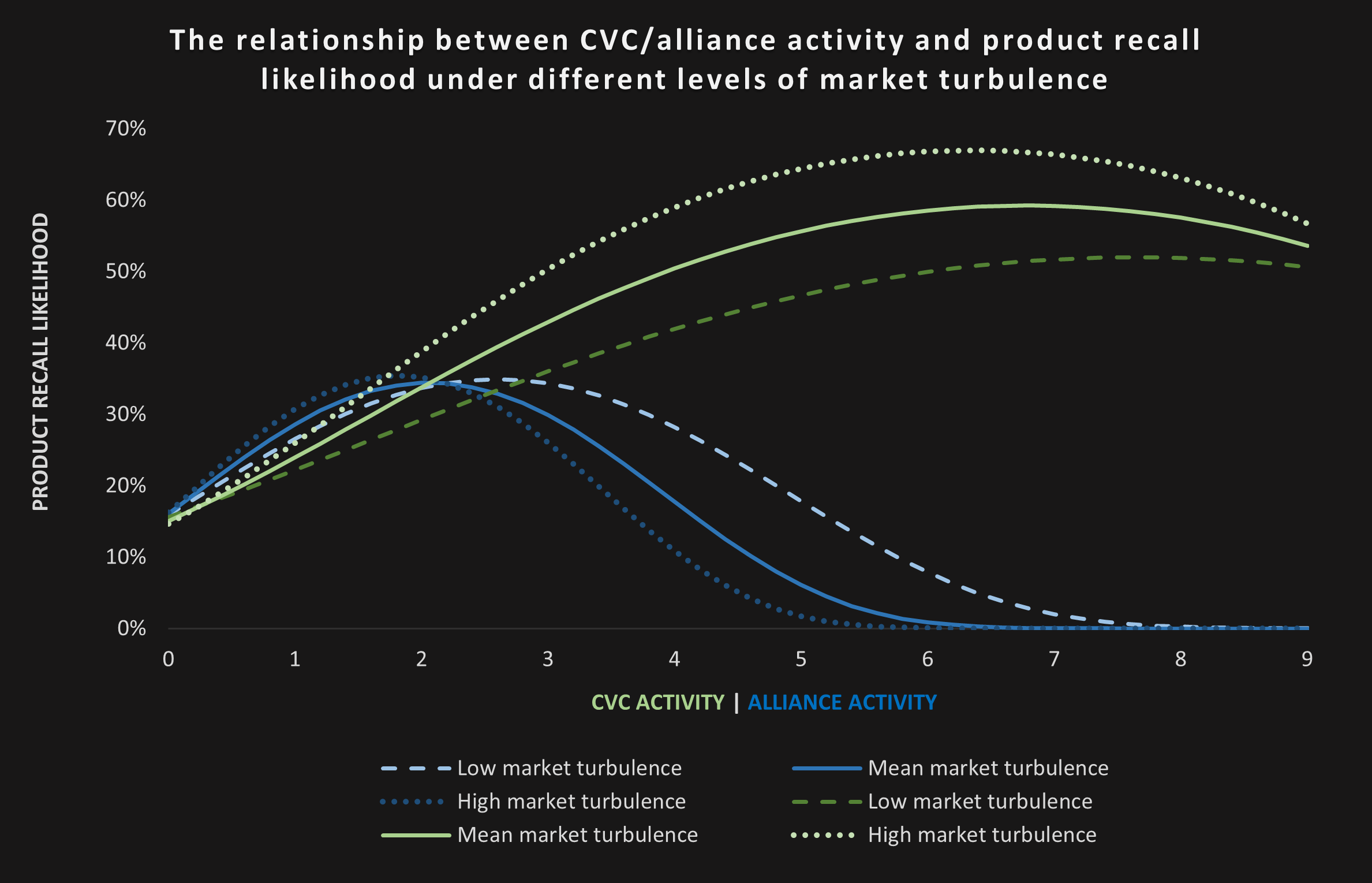
Simon Hensellek of the Technical University of Dortmund discusses “Beneficial, Harmful, or Both? Effects of Corporate Venture Capital and Alliance Activity on Product Recalls,” which he, David Bendig, and Julian Schulte published in Entrepreneurship, Theory and Practice.
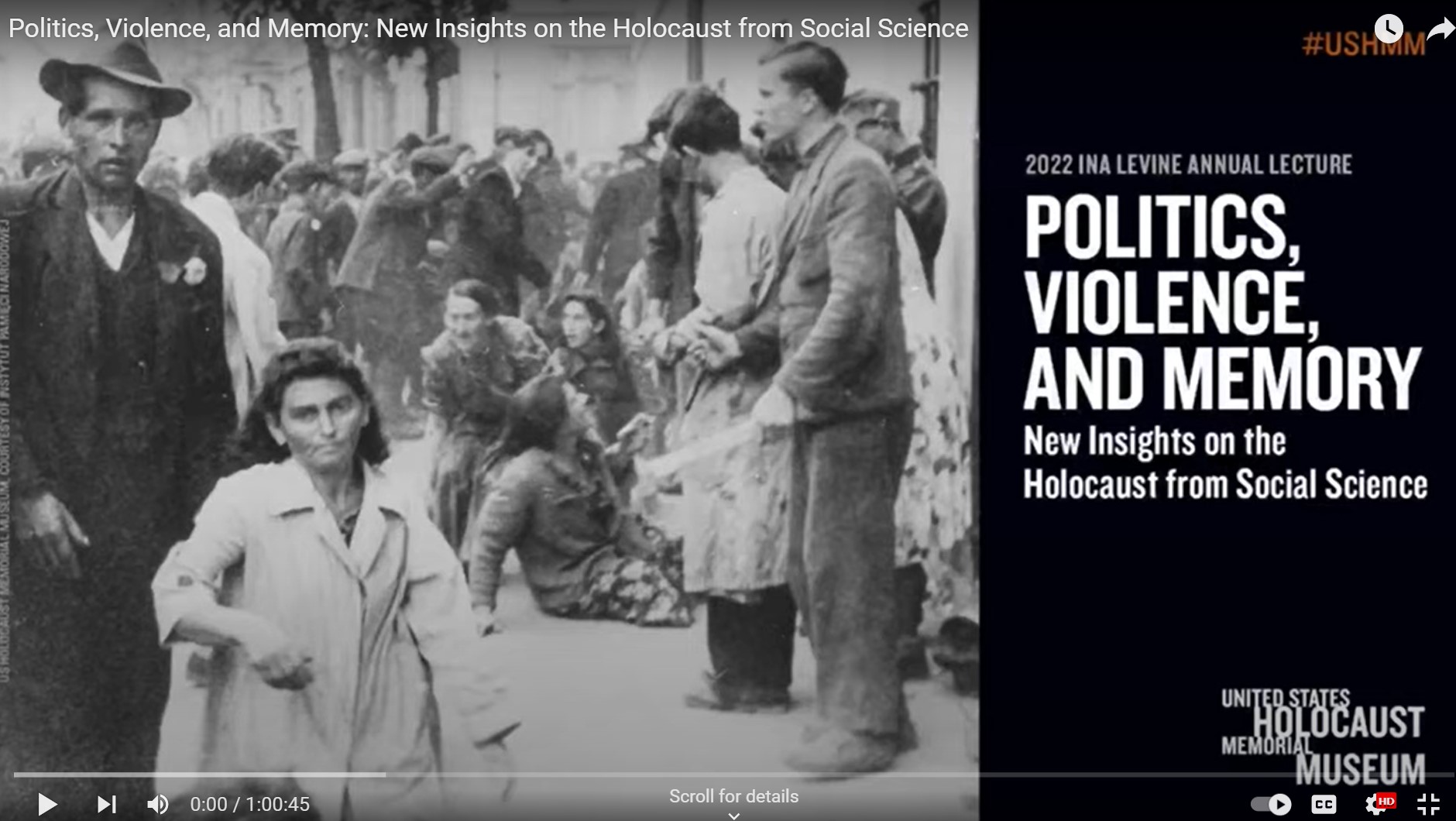
Political scientist Jeffrey Kopstein outlines some of the evolutions in social science that are allowing scholars to study the Holocaust and its current impacts.
Jürgen Habermas, a globally known social theorist whose explorations of democracy, validity and communication have gained new prominence in the current moment, […] People often see science as a world apart: cool, rational and untouched by persuasion or performance. In this view, scientists simply discover […] “Research impact” means different things to different people. Some refer broadly to how science changes behaviors, beliefs, or practices outside academic institutions. […] David Canter considers informal places where people socialize, suggesting they’re an arena ChatGPT and other LLMs can’no’t replicate. As someone who lives […] It’s become cliche since Clive Humbly coined it in 2006, but data is indeed the new oil. It’s a mantra repeated by […] In September 2025, The Guardian reported about a lawyer in Australia having faced sanctions due to false citations. These citations were not […]
EXPLORE
Impact

Jürgen Habermas, 1929-2026: Exponent of the Public Sphere
READ MORE

Scientists Should Keep in Mind It’s Called the ‘Marketplace of Ideas’ for a Reason
READ MORE

Survey Finds Social Scientists Feel Unsupported in Seeking Societal Impact
READ MORE
Innovation

Reaching Parts to Which AI Has No Access
READ MORE

Andrea Medina-Smith on Making Research Data More FAIR
READ MORE

A Status Check on Hallucinated Case Law Incidents
READ MORE