
Could Distributed Peer Review Better Decide Grant Funding?
The landscape of academic grant funding is notoriously competitive and plagued by lengthy, bureaucratic processes, exacerbated by difficulties in finding willing reviewers. Distributed […]
‘I think,’ writes Damon J. Phillips, ‘ that this suggests that you happen to be coming along in a new era that will be stressful to live through, but also one that will fuel the best of our scholarship. In the coming years and decades there will be an urgency around different questions framed by our current crises.’
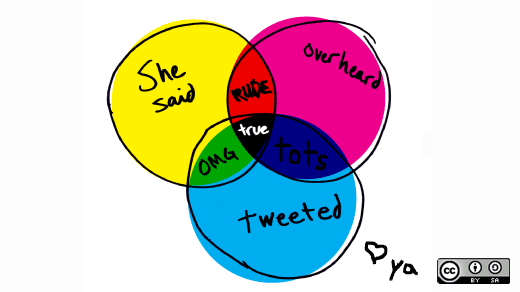
The answer for the kind of panicked flurry in reasoning we’re seeing during the COVID-19 pandemic may lie in a field of critical thinking called vice epistemology. This theory argues our thinking habits and intellectual character traits cause poor reasoning.
“In a world facing many complex, formidable problems,” Kenneth Prewitt asks, “how can the social sciences become a decisive force for human […]
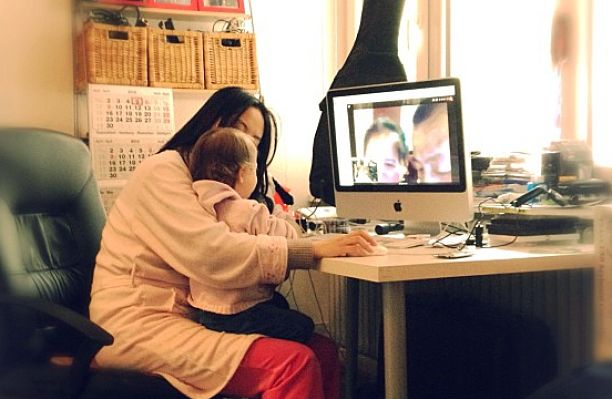
Staying socially connected in times of threat has benefits beyond helping us manage our mental well-being. Other people can provide us with practical support, like picking up groceries or passing on relevant information, as well as emotional support. This feeling is called social solidarity, and if we get it right we’ll be much better equipped to respond to this and other crises.

If the promises of behavioral science can be believed, the UK government’s use of it would potentially minimize economic disruption while still tackling the crisis. This is because, in theory, behavioral science can achieve desirable behaviors without significantly impacting other day-to-day activities. However, the question is whether in practice behavioral science is helping to mitigate disaster.
Counties with large universities depend heavily on student responses to the decennial census, because the census counts determine the levels of federal funding communities receive. And if those students are counted as being there …?
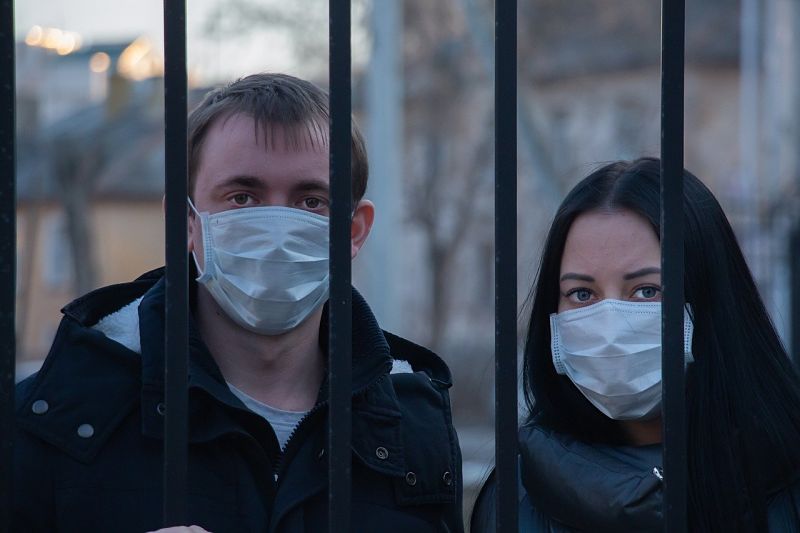
Research explains the relatively late behavioral reaction to the information of COVID-19 in Europe, writes Joan Costa-Font
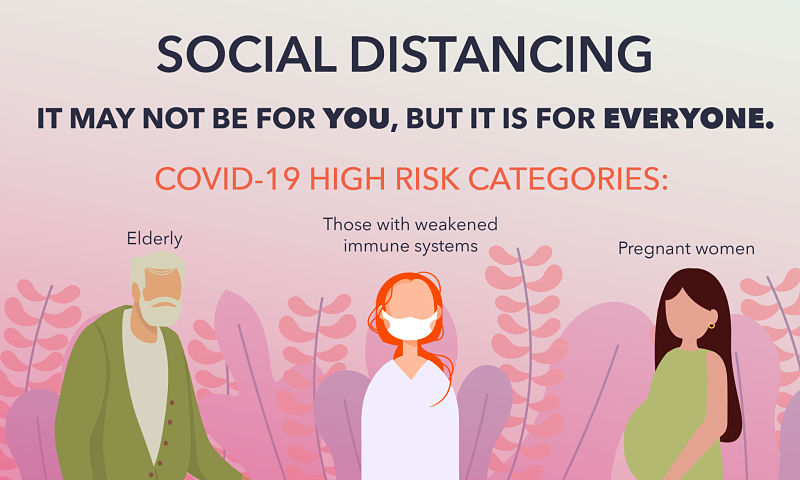
Psychological scientists at the University of Washington’s Center for the Science of Social Connection draw from their clinical and research experiences help us understand the side effects of social distancing and suggest strategies for addressing them.
Jürgen Habermas, a globally known social theorist whose explorations of democracy, validity and communication have gained new prominence in the current moment, […] People often see science as a world apart: cool, rational and untouched by persuasion or performance. In this view, scientists simply discover […] “Research impact” means different things to different people. Some refer broadly to how science changes behaviors, beliefs, or practices outside academic institutions. […] David Canter considers informal places where people socialize, suggesting they’re an arena ChatGPT and other LLMs can’no’t replicate. As someone who lives […] It’s become cliche since Clive Humbly coined it in 2006, but data is indeed the new oil. It’s a mantra repeated by […] In September 2025, The Guardian reported about a lawyer in Australia having faced sanctions due to false citations. These citations were not […]
EXPLORE
Impact

Jürgen Habermas, 1929-2026: Exponent of the Public Sphere
READ MORE

Scientists Should Keep in Mind It’s Called the ‘Marketplace of Ideas’ for a Reason
READ MORE

Survey Finds Social Scientists Feel Unsupported in Seeking Societal Impact
READ MORE
Innovation

Reaching Parts to Which AI Has No Access
READ MORE

Andrea Medina-Smith on Making Research Data More FAIR
READ MORE
A Status Check on Hallucinated Case Law Incidents
READ MORE