
Could Distributed Peer Review Better Decide Grant Funding?
The landscape of academic grant funding is notoriously competitive and plagued by lengthy, bureaucratic processes, exacerbated by difficulties in finding willing reviewers. Distributed […]
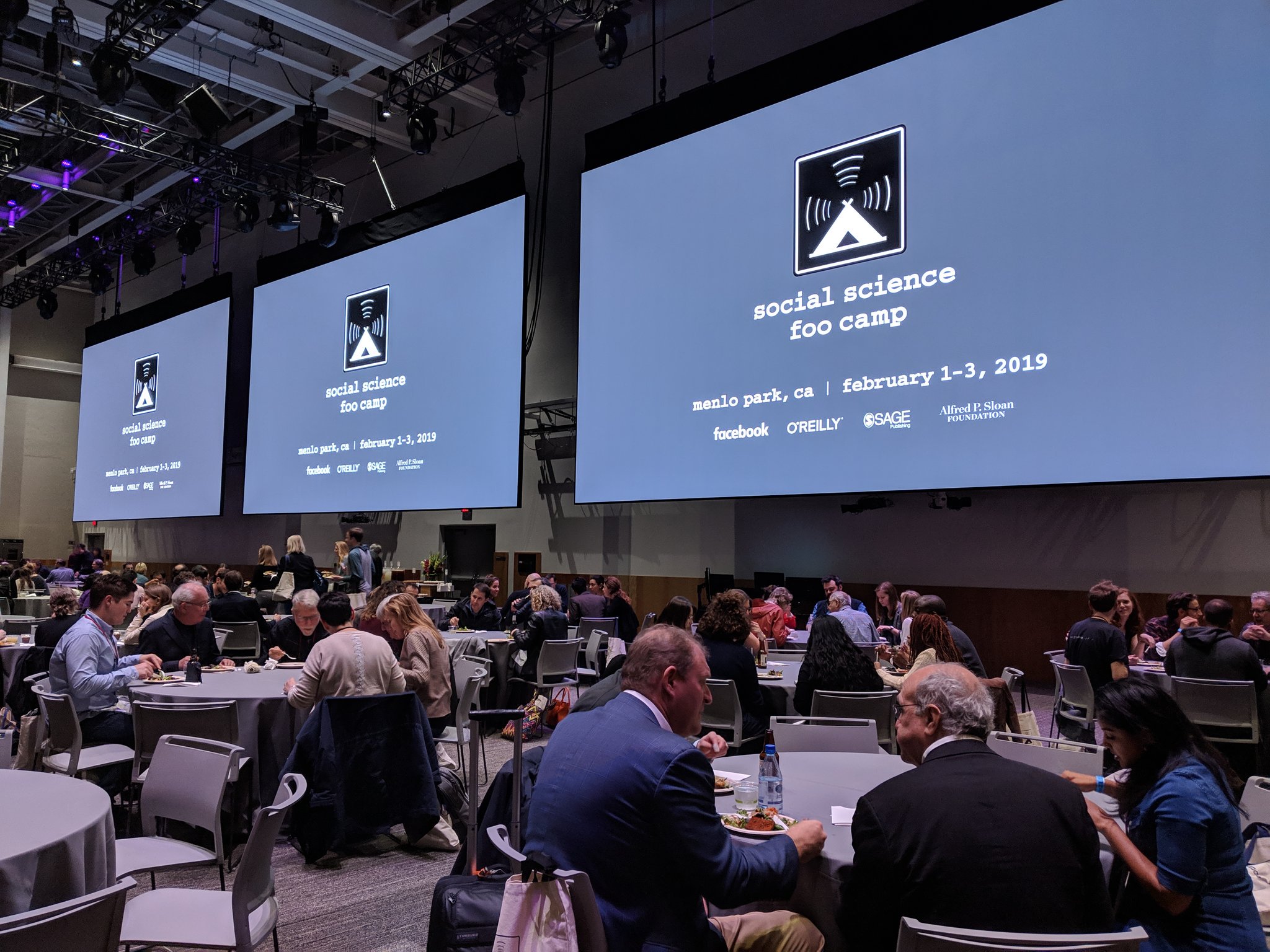
The second annual Social Science Foo Camp took place at Facebook’s headquarters in Menlo Park at the start of this month, convening an eclectic mix of more than 200 social scientists, technologists, funders, policy makers, business people and writers.
Kevin Bales’ work on modern slavery won his one of Britain’s Economic and Social Science Research Council’s 2018 Impact Prize. We’ve asked him how he built meaningfulness into his own research and how to measure impact more broadly.
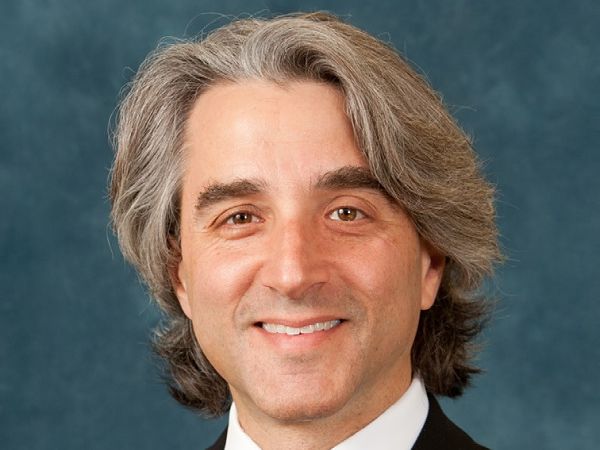
When the National Science Foundation tabbed Arthur “Skip” Lupia to head its Directorate for Social, Behavioral, and Economic Sciences (SBE), it was making a statement whether it meant to or not. Lupia, officially the Hal R. Varian Collegiate Professor of Political Science at the University of Michigan, has been one of social science’s ablest defenders — and occasional critics.
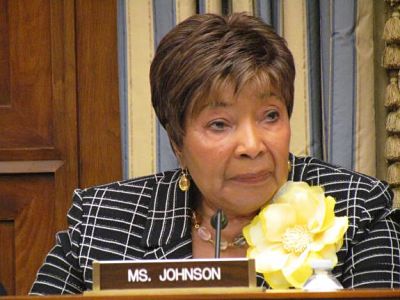
The change in majority control for the U.S. House of Representatives will change the discussions that have occurred around U.S. social science funding as a party that has been openly skeptical of the value of social and behavioral research will no longer pull the strings on funding science.
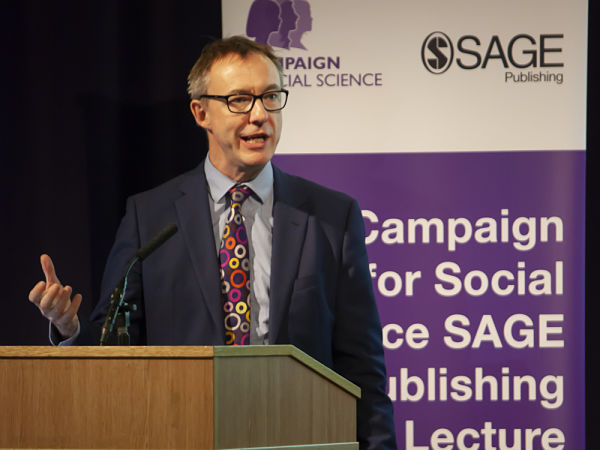
Paul Johnson had one key theme in his SAGE Publishing lecture for the Campaign for Social Science: Long-term policy needs to be developed across government based on a broad understanding of the social and economic trends. And there is little evidence that this lesson is being heeded.
Canada’s Social Science and Humanities Research Council, now in its 40th year, handed out five Impact Prizes earlier this month to honor those showing the potential and applicability of government-funded research and exploration.
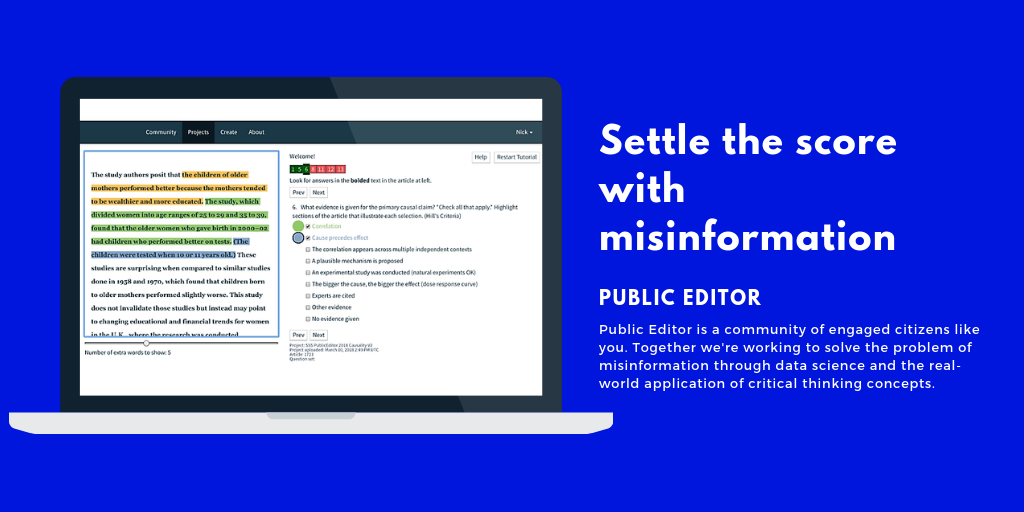
Sociologist Nick Adams’ TagWorks methodology is being used to rate — and in turn improve — the most shared news stories of the day via a new tool called PublicEditor.
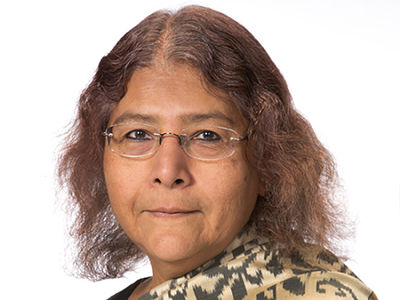
Sheila Sen Jasanoff, the founder and director of Harvard University’s Program on Science, Technology and Society, will receive the Social Science Research Council’s highest honor, the Albert O. Hirschman Prize, and deliver the Hirschman lecture — “Theory, Critique, and Discipline in a Post-Truth Age” — on November 30
Jürgen Habermas, a globally known social theorist whose explorations of democracy, validity and communication have gained new prominence in the current moment, […] People often see science as a world apart: cool, rational and untouched by persuasion or performance. In this view, scientists simply discover […] “Research impact” means different things to different people. Some refer broadly to how science changes behaviors, beliefs, or practices outside academic institutions. […] David Canter considers informal places where people socialize, suggesting they’re an arena ChatGPT and other LLMs can’no’t replicate. As someone who lives […] It’s become cliche since Clive Humbly coined it in 2006, but data is indeed the new oil. It’s a mantra repeated by […] In September 2025, The Guardian reported about a lawyer in Australia having faced sanctions due to false citations. These citations were not […]
EXPLORE
Impact
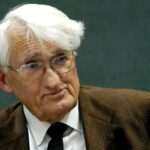
Jürgen Habermas, 1929-2026: Exponent of the Public Sphere
READ MORE

Scientists Should Keep in Mind It’s Called the ‘Marketplace of Ideas’ for a Reason
READ MORE

Survey Finds Social Scientists Feel Unsupported in Seeking Societal Impact
READ MORE
Innovation

Reaching Parts to Which AI Has No Access
READ MORE

Andrea Medina-Smith on Making Research Data More FAIR
READ MORE

A Status Check on Hallucinated Case Law Incidents
READ MORE