



Could Distributed Peer Review Better Decide Grant Funding?
The landscape of academic grant funding is notoriously competitive and plagued by lengthy, bureaucratic processes, exacerbated by difficulties in finding willing reviewers. Distributed […]

There is broad agreement is the desirability of wider access by readers to scholarly journal articles. There is less agreement on who these imagined readers might be.
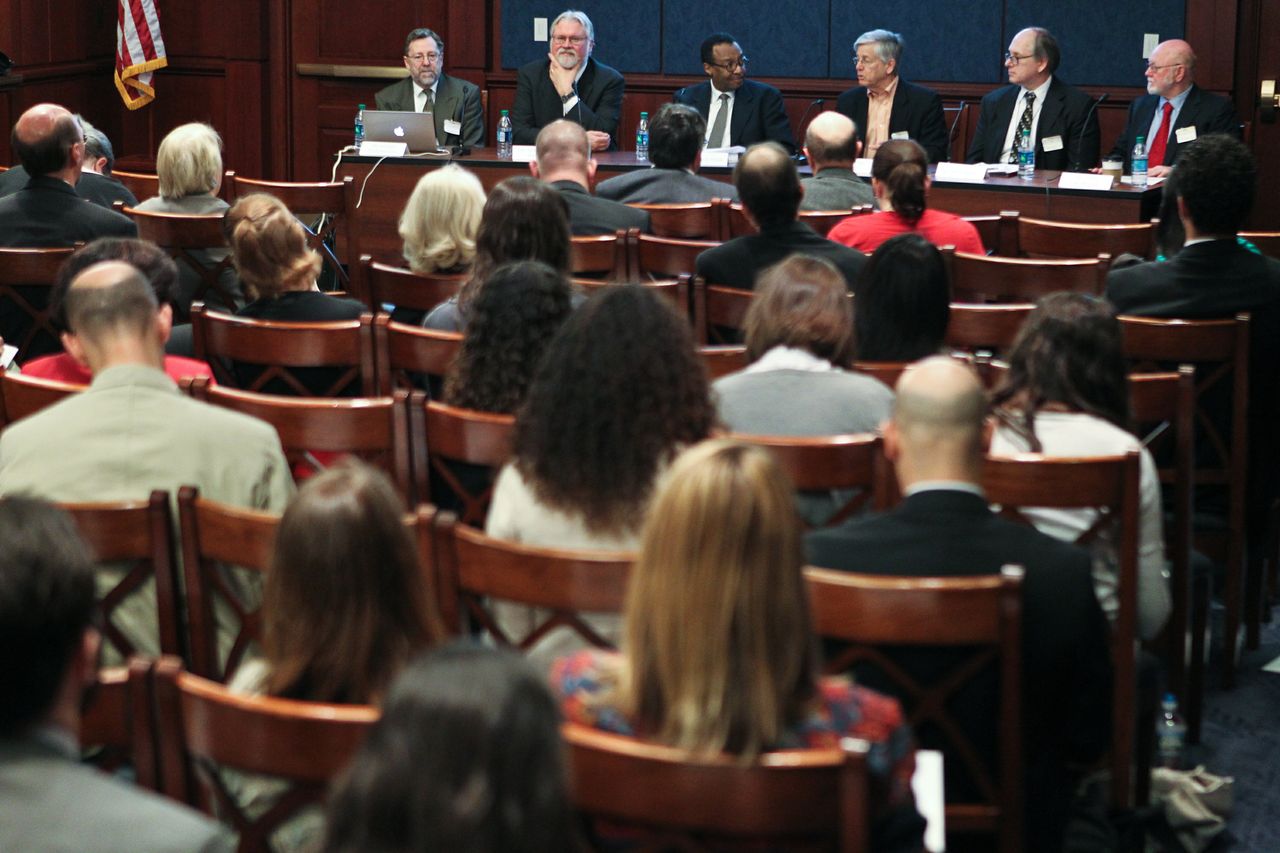
Last month The American Academy of Political and Social Science (AAPSS) put together a Congressional Briefing on the impact of falling response rates to social surveys and what can be done about it.

Survey researchers are increasingly unable to get people to respond to surveys. This is a real worry because nonresponse can lead to biased research and because nonresponse poses a significant threat to the federal statistical system in its entirety.

Quantitative Skills (QS) can take you far in academia and the research world, giving you the keys to unpick complex phenomena and critically evaluate other studies. These Q&As with established professors, early career researchers and PhD students reveal the importance of QS within their diverse fields.

The controversy over BBC journalists’ use of a student tour group linked to the London School of Economics should not be allowed to go away quietly.

Recently I’ve seen a lot of hero/heroine narratives. They now seem to be popping up in research impact plans and claims about impact.

“We are now in a situation where science, technology, engineering and maths – the STEM subjects – were about 15 to 20 years ago….there was a lack of public understanding of what they contributed to society and its development”
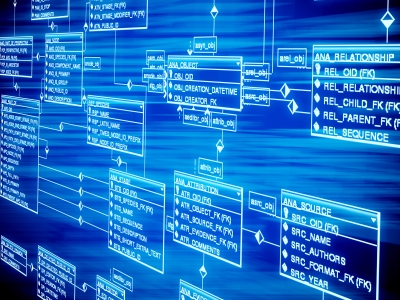
We are swimming in ‘big data’ and despite their performances as advocates of data freedom, policymakers don’t seem to bear any responsibility for educating the public on how to read it.
Jürgen Habermas, a globally known social theorist whose explorations of democracy, validity and communication have gained new prominence in the current moment, […] People often see science as a world apart: cool, rational and untouched by persuasion or performance. In this view, scientists simply discover […] “Research impact” means different things to different people. Some refer broadly to how science changes behaviors, beliefs, or practices outside academic institutions. […] David Canter considers informal places where people socialize, suggesting they’re an arena ChatGPT and other LLMs can’no’t replicate. As someone who lives […] It’s become cliche since Clive Humbly coined it in 2006, but data is indeed the new oil. It’s a mantra repeated by […] In September 2025, The Guardian reported about a lawyer in Australia having faced sanctions due to false citations. These citations were not […]
EXPLORE
Impact

Jürgen Habermas, 1929-2026: Exponent of the Public Sphere
READ MORE

Scientists Should Keep in Mind It’s Called the ‘Marketplace of Ideas’ for a Reason
READ MORE

Survey Finds Social Scientists Feel Unsupported in Seeking Societal Impact
READ MORE
Innovation

Reaching Parts to Which AI Has No Access
READ MORE

Andrea Medina-Smith on Making Research Data More FAIR
READ MORE

A Status Check on Hallucinated Case Law Incidents
READ MORE