


Could Distributed Peer Review Better Decide Grant Funding?
The landscape of academic grant funding is notoriously competitive and plagued by lengthy, bureaucratic processes, exacerbated by difficulties in finding willing reviewers. Distributed […]

Loren Henderson describes her work with BarBara Scott as part of a small body of descriptive research, mostly by researchers of color, countering negativity and victim-blaming in earlier studies of Black families.
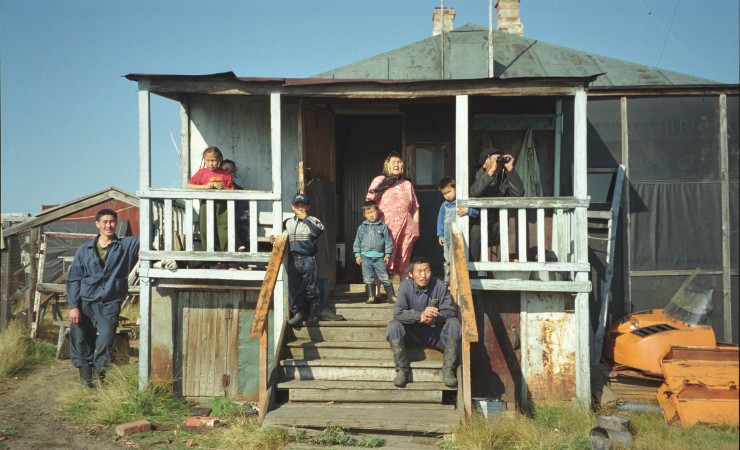
Recent studies have underscored that conservationists can learn a lot from traditional ecological knowledge about successful resource management.
Michelle Samura doesn’t question that belonging on campus is an important consideration. Rather, she suggests that people question generally accepted ways of talking about belonging.
the authors’ research finds that, far from being immune to the conditions they treat in others, psychologists grapple with mental health difficulties or illnesses just as much as their patients do.
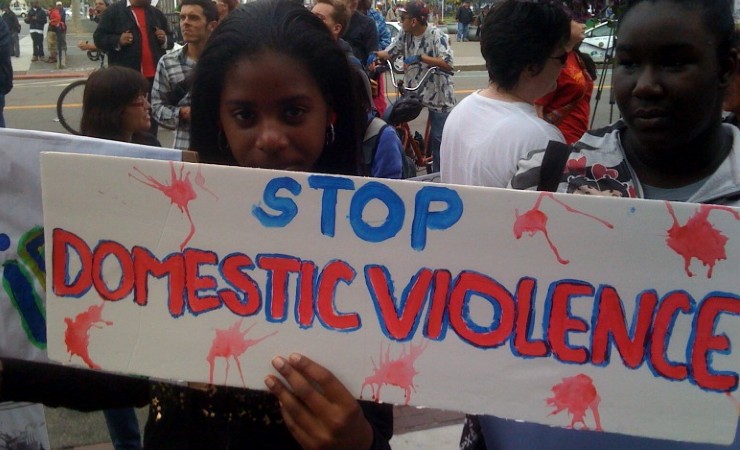
The author warns that policies intended to prevent intimate partner femicide should not become narrowly focused around gendered factors such as men’s attitudes to women and toxic masculinity.
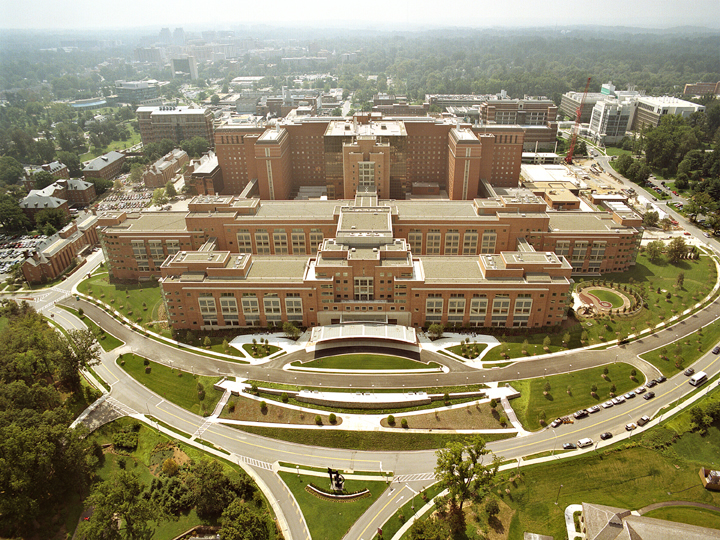
Starting on Jan. 25, 2023, many of the 2,500 institutions and 300,000 researchers that the U.S. National Institutes of Health supports will need to provide a formal, detailed plan for publicly sharing the data generated by their research.

Arik Burakovsky, an expert on relations between the U.S. and Russia, shines light on the future of cooperation between Russia and the West in the realm of higher education.

[Ed. – April 2, 2022 is World Autism Awareness Day.] Being autistic, but not diagnosed, can lead to a lifetime of struggles […]
Jürgen Habermas, a globally known social theorist whose explorations of democracy, validity and communication have gained new prominence in the current moment, […] People often see science as a world apart: cool, rational and untouched by persuasion or performance. In this view, scientists simply discover […] “Research impact” means different things to different people. Some refer broadly to how science changes behaviors, beliefs, or practices outside academic institutions. […] David Canter considers informal places where people socialize, suggesting they’re an arena ChatGPT and other LLMs can’no’t replicate. As someone who lives […] It’s become cliche since Clive Humbly coined it in 2006, but data is indeed the new oil. It’s a mantra repeated by […] In September 2025, The Guardian reported about a lawyer in Australia having faced sanctions due to false citations. These citations were not […]
EXPLORE
Impact

Jürgen Habermas, 1929-2026: Exponent of the Public Sphere
READ MORE

Scientists Should Keep in Mind It’s Called the ‘Marketplace of Ideas’ for a Reason
READ MORE

Survey Finds Social Scientists Feel Unsupported in Seeking Societal Impact
READ MORE
Innovation

Reaching Parts to Which AI Has No Access
READ MORE

Andrea Medina-Smith on Making Research Data More FAIR
READ MORE

A Status Check on Hallucinated Case Law Incidents
READ MORE