


Could Distributed Peer Review Better Decide Grant Funding?
The landscape of academic grant funding is notoriously competitive and plagued by lengthy, bureaucratic processes, exacerbated by difficulties in finding willing reviewers. Distributed […]
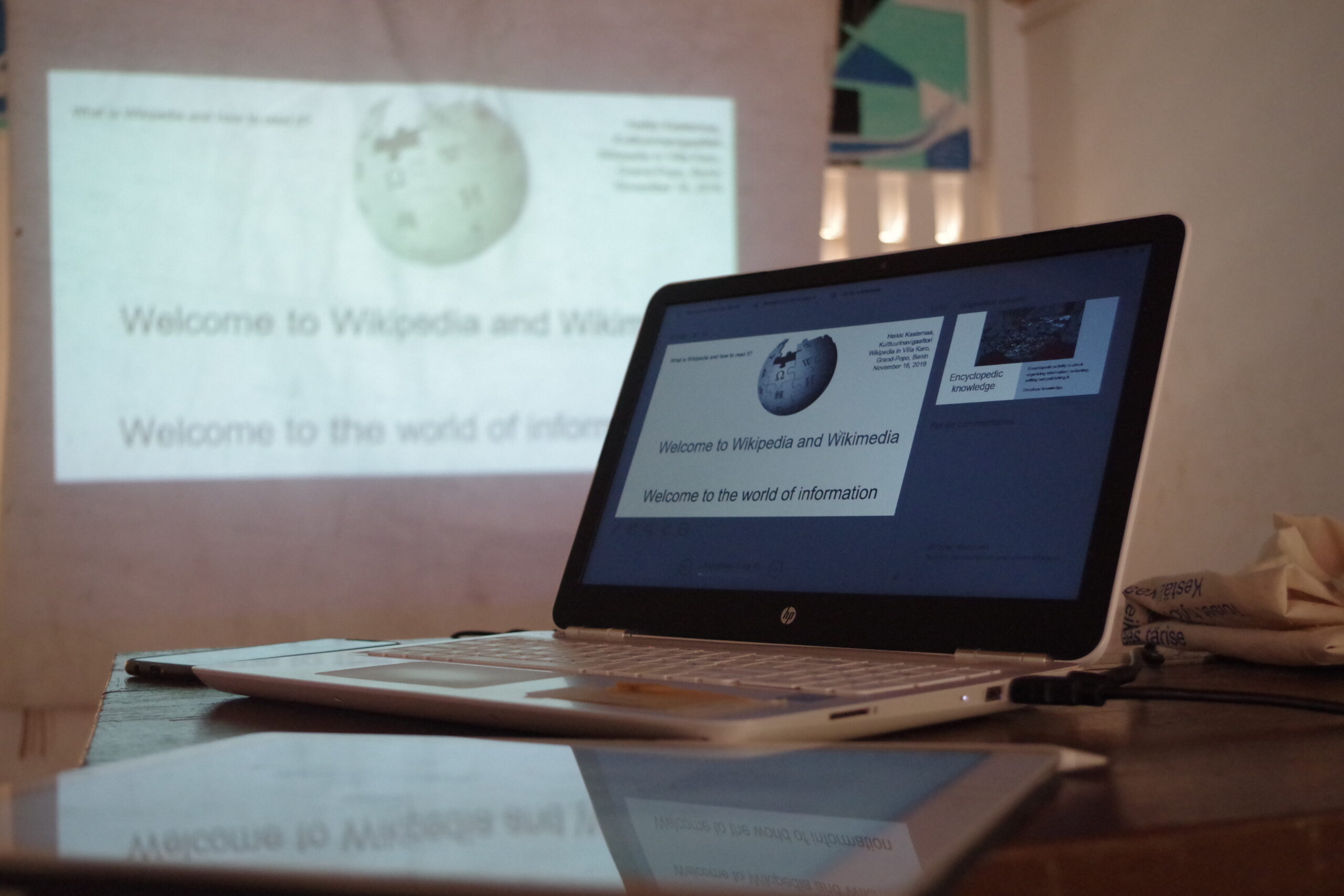
As research and instruction librarians, we know people have concerns about using Wikipedia in academic work. And yet, in interacting with undergraduate and graduate students doing various kinds of research, we also see how Wikipedia can be an important source for background information, topic development and locating further information.

Few topics in education have dominated the news over the past few years as much as efforts to ban critical race theory from the nation’s schools. The topic is so pervasive that researchers at the UCLA School of Law Critical Race Studies Program have created a new database to track attempts by local and state government to outlaw the teaching of the theory, which holds, among other things, that racism is not just expressed on an individual level, but rather is deeply embedded in the nation’s laws and policies. The Conversation asked Taifha Natalee Alexander, director and supervisor of the database, about the overarching purpose of the database and what it has shown thus far.
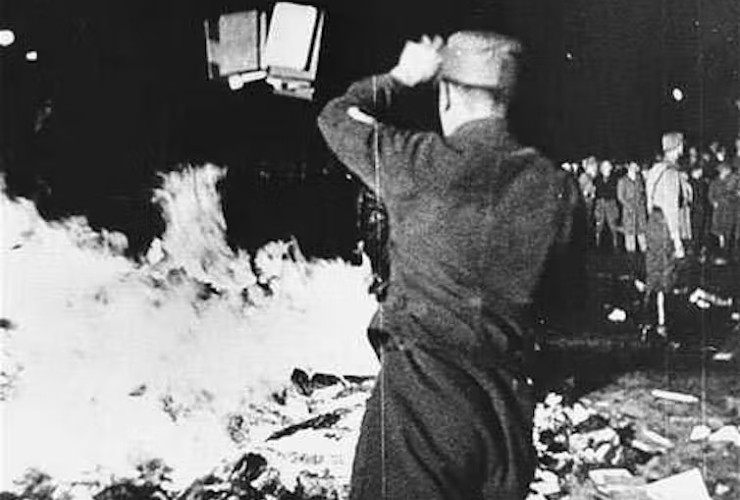
Just as trans people are not a new population, backlashes against trans rights have a long history.
In 2008, I published my book Visible Learning, which aimed to explain what works best to help student learning. At the time, others claimed it was the world’s largest evidence-based study into the factors that improve learning.
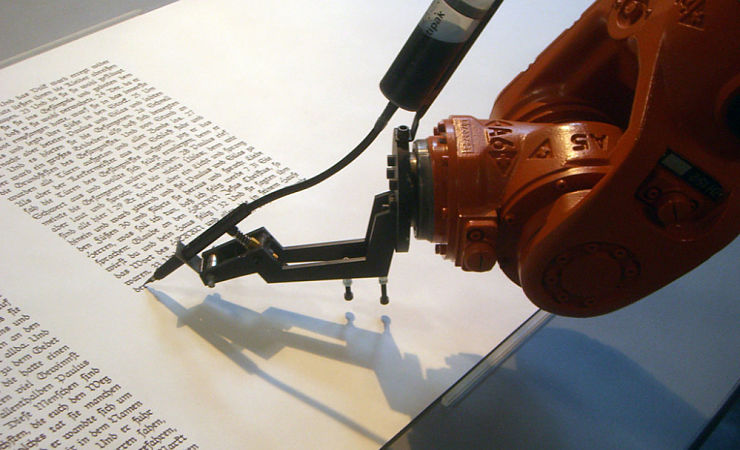
Several recent academic papers have listed ChatGPT as an author. But should the artificially intelligent writing bot be considered an academic author?
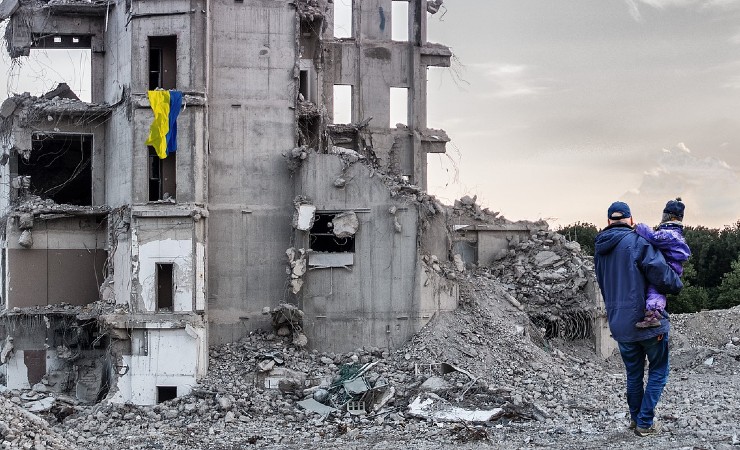
Lena Surzhko Harned is a Ukrainian American political scientist. As a specialist in Eastern Europe, she has evaluated this war over the past year from her professional perspective. Yet this war is also deeply personal.
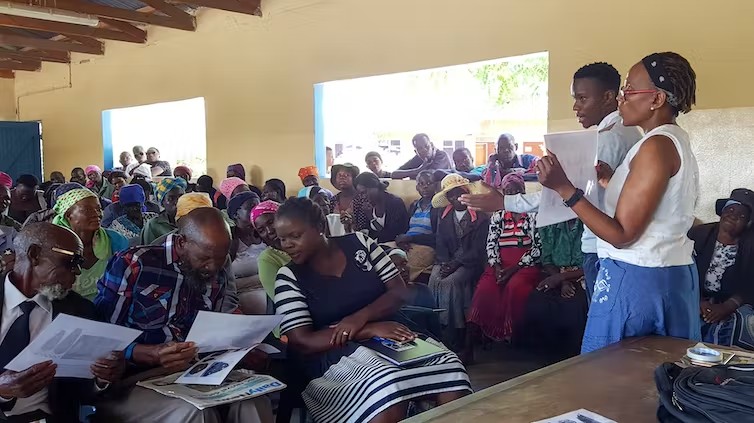
In the words of of one Botswanan: “There is a lot of mistrust. People come here with their research vehicles, but they do not talk to us. They do not involve us.”

Critical ignoring is the ability to choose what to ignore and where to invest one’s limited attentional capacities.


Jürgen Habermas, a globally known social theorist whose explorations of democracy, validity and communication have gained new prominence in the current moment, […] People often see science as a world apart: cool, rational and untouched by persuasion or performance. In this view, scientists simply discover […] “Research impact” means different things to different people. Some refer broadly to how science changes behaviors, beliefs, or practices outside academic institutions. […] David Canter considers informal places where people socialize, suggesting they’re an arena ChatGPT and other LLMs can’no’t replicate. As someone who lives […] It’s become cliche since Clive Humbly coined it in 2006, but data is indeed the new oil. It’s a mantra repeated by […] In September 2025, The Guardian reported about a lawyer in Australia having faced sanctions due to false citations. These citations were not […]
EXPLORE
Impact

Jürgen Habermas, 1929-2026: Exponent of the Public Sphere
READ MORE

Scientists Should Keep in Mind It’s Called the ‘Marketplace of Ideas’ for a Reason
READ MORE

Survey Finds Social Scientists Feel Unsupported in Seeking Societal Impact
READ MORE
Innovation

Reaching Parts to Which AI Has No Access
READ MORE

Andrea Medina-Smith on Making Research Data More FAIR
READ MORE

A Status Check on Hallucinated Case Law Incidents
READ MORE