


Could Distributed Peer Review Better Decide Grant Funding?
The landscape of academic grant funding is notoriously competitive and plagued by lengthy, bureaucratic processes, exacerbated by difficulties in finding willing reviewers. Distributed […]
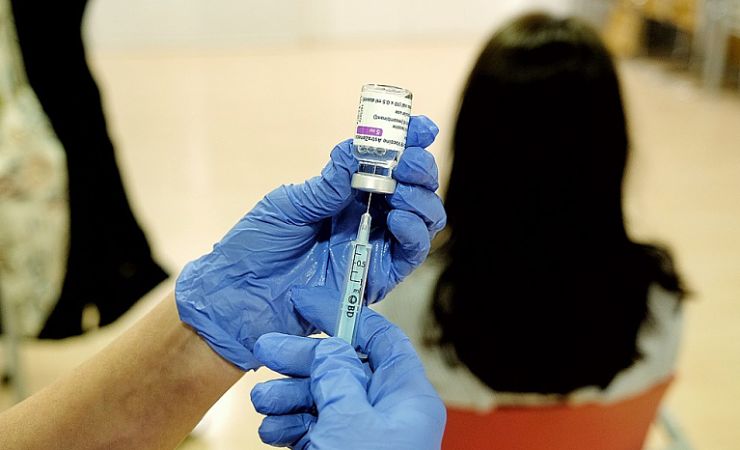
Our mixed feelings about reporting the deaths of vaccine sceptics, says Nick Chater, reflect the complexity of our moral selves – consequences, rules, agreements and virtues can pull us in different directions.
Professor Lisa Spiller noticed that sales management textbooks she looked at were missing topics like storytelling, neuro-linguistic programming, determining willingness-to-buy, servant leadership, and sales analytics. So she wrote a book that did.

Three key positions in the portion of the National Science Foundation focusing on social science will soon be open, and the foundation – the largest funder of academic social science in the United States — is conducting a national search to fill these key jobs.

Steven Lubet set out to investigate whether ethnography’s characteristic reliance on unverified accounts may sometimes produce misinformation. He argues that In any other academic discipline, his findings would have provoked less umbrage and more reinvestigation.

There may be two possible reactions to the anniversary of Geert Hofstede’s ‘Culture’s Consequences’: that in 2021 the work may be considered outdated; or that Geert Hofstede’s work is timeless.
SAGE Publishing, the parent of Social Science Space, has awarded grants totaling £25,000 to enable the development of six new software tools for social science researchers.
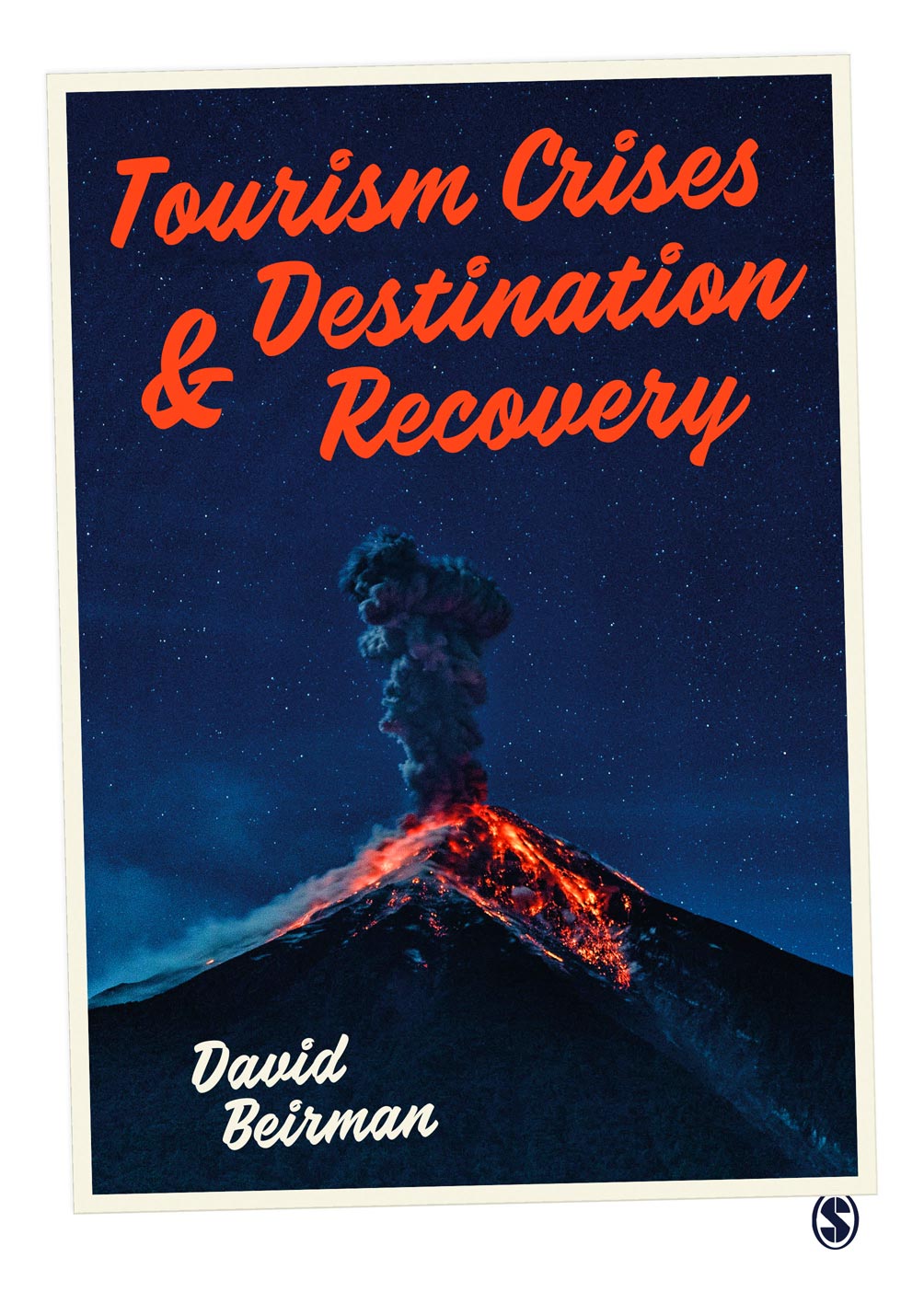
Whether a crisis impacts retailers, banks, manufacturers, miners, construction, traders or tourism, says David Beirman, the management of recovery operates under a surprisingly similar set of rules.
Professor Terence Tsai outlines how he was recruited to work on the new book, Doing Business in Asia, and what factors led to the smooth completion of the collaborative writing involved.
When people trust science, they can make better decisions, follow helpful rules and work together on big problems like health, climate change […] Do you know a social or behavioral science researcher whose work resonates across disciplines and which has made a significant impact in […] Please note: this contest has now closed. The winner will be contacted in due course. This November, Sage and Overton invite you to share the unexpected […] The latest generation of artificial intelligence models is sharper and smoother, producing polished text with fewer errors and hallucinations. As a philosophy […] In a new white paper by Tom Chatfield, the philosopher of tech and critical thinking outlines a practical roadmap for integrating artificial intelligence into […] Distance learning far precedes the digital age. Before online courses, people relied on print materials (and later radio and other technologies) to […]
EXPLORE
Impact

There Is a Cost to Being Honest About Science
READ MORE

Outstanding Social and Behavioral Scientists Sought for Sage-CASBS Award
READ MORE
Share Your Most Surprising Policy Citation for Chance to Win $500 [Closed]
READ MORE
Innovation

An AI Authorship Protocol Aims to Sharpen a Sometimes-Fuzzy Line
READ MORE

A Box Unlocked, Not A Box Ticked: Tom Chatfield on AI and Pedagogy
READ MORE

AI Gaming of Some Online Courses Threatens Their Credibility
READ MORE