
Could Distributed Peer Review Better Decide Grant Funding?
The landscape of academic grant funding is notoriously competitive and plagued by lengthy, bureaucratic processes, exacerbated by difficulties in finding willing reviewers. Distributed […]

Join the National Academies of Science, Engineering and Medicine for a free event discussing the report, Understanding the Well-Being of LGBTQI+ Populations. […]
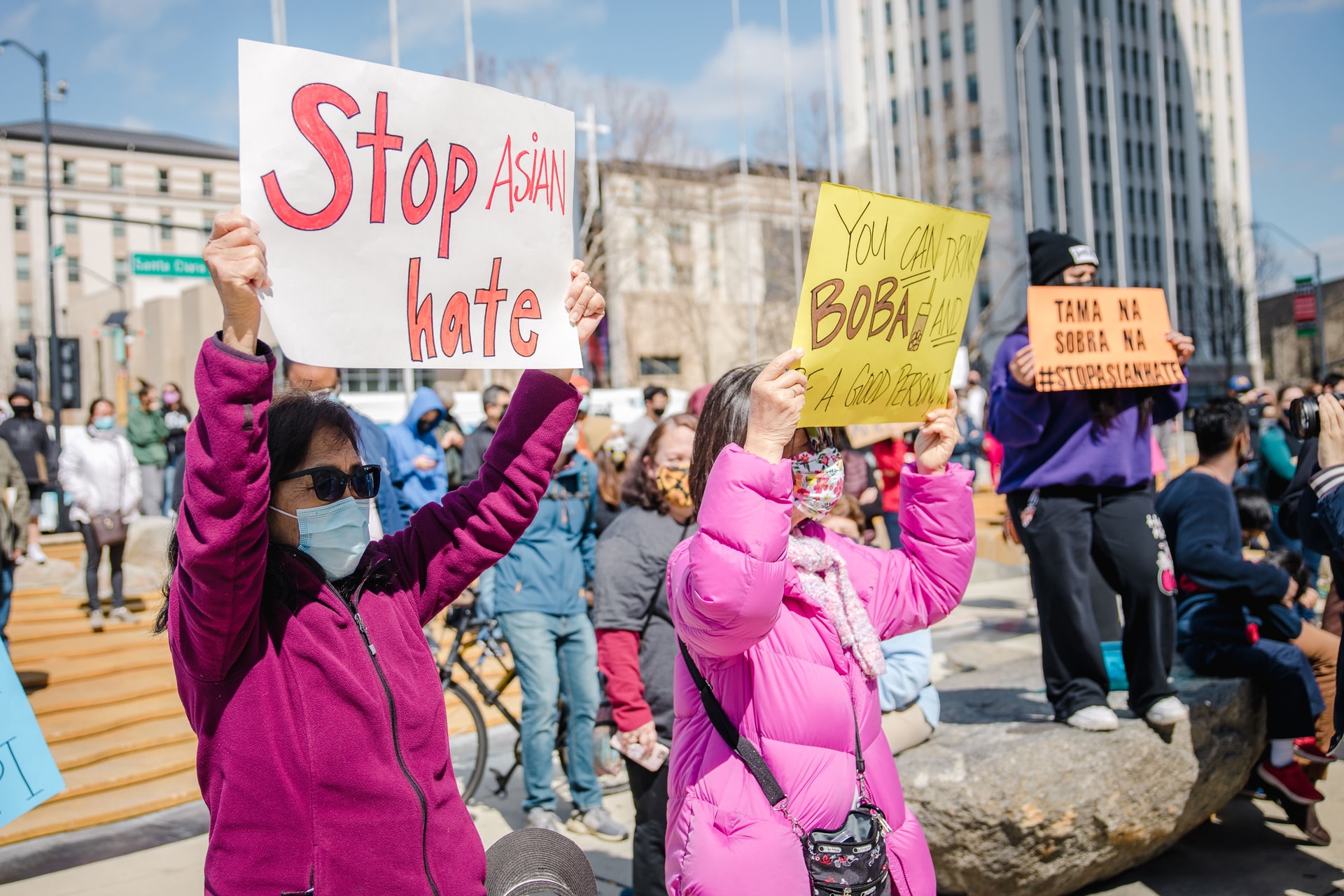
Un-modeling the ‘model minority’ — a term often used to describe Asian American populations in the United States — is a crucial […]

On May 13, the American Academy of Political and Social Science hosted an online seminar, co-sponsored by SAGE Publishing, that featured presentations […]
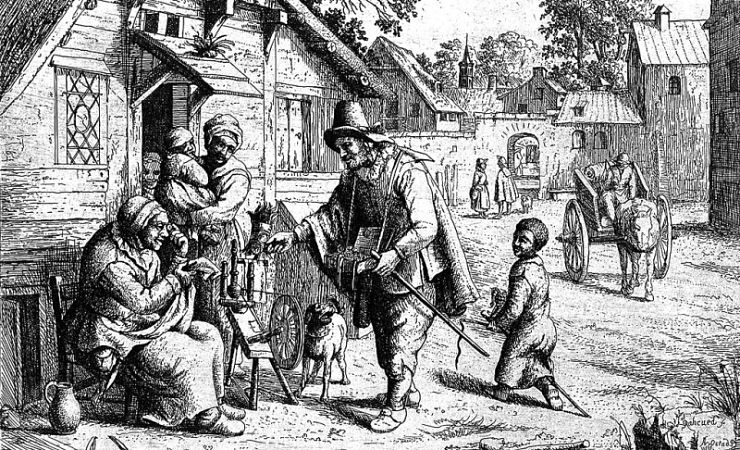
Back in the day, I attended one of those schools where male character was thought to be formed by endless afternoons of […]
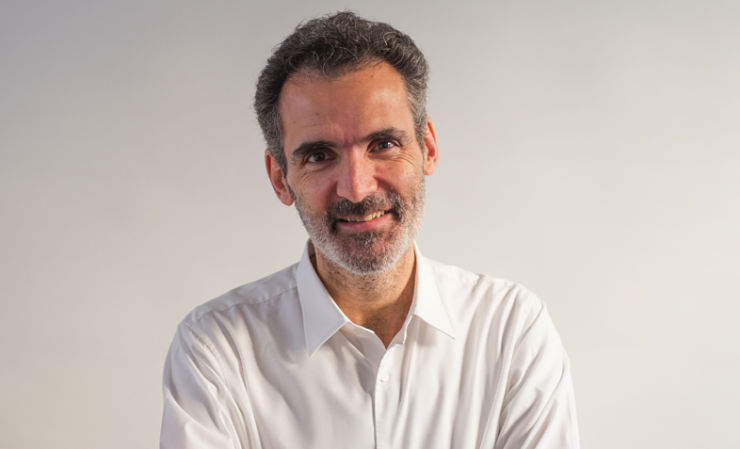
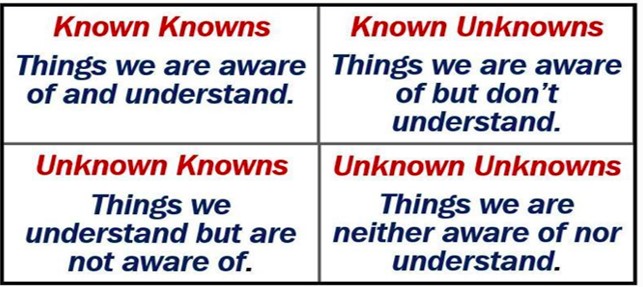
In the context of human action, management professor at HEC Paris and former McKinsey senior partner Olivier Sibony defines “noise” as the unwanted variability in human judgment.
Lessons will be learned from this pandemic and it is right that there should be inquiries to spell them out. It will not, however, be helpful to see this as a partisan exercise in blaming individuals for acting within the limits of what was possible in systems that others had designed for very different purposes.
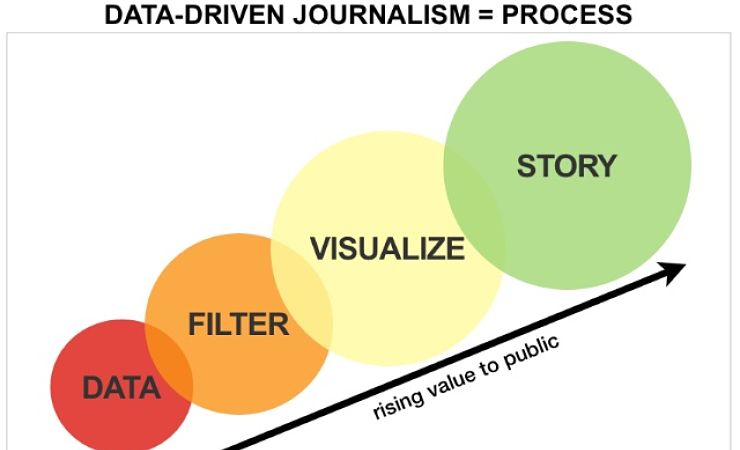
Gone are the days when science journalism was like sports journalism, where the action was watched from the press box and simply conveyed. News outlets have stepped onto the field. They are doing the science themselves.
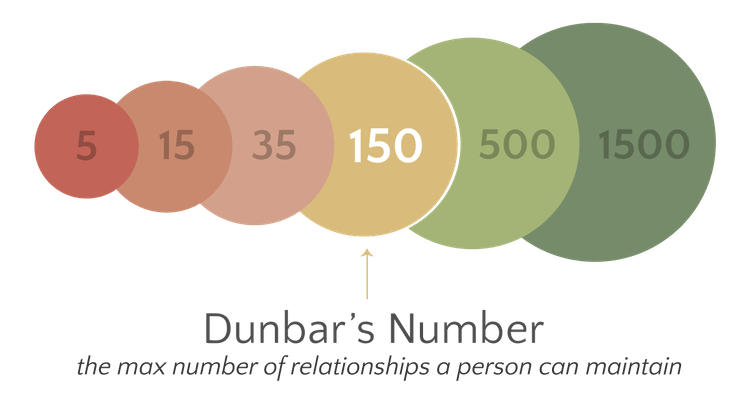
Exactly 30 years ago, Robin Dunbar was pondering a graph of primate group sizes plotted against the size of their brains: the larger the brain, the larger the group size. I was curious to know what group size this relationship might predict for humans. The number his calculations gave was 150.
People often see science as a world apart: cool, rational and untouched by persuasion or performance. In this view, scientists simply discover […] “Research impact” means different things to different people. Some refer broadly to how science changes behaviors, beliefs, or practices outside academic institutions. […] One researcher studies how war affects children, another took a literal worm’s eye view to examine rural development, while two others scrutinized […] David Canter considers informal places where people socialize, suggesting they’re an arena ChatGPT and other LLMs can’no’t replicate. As someone who lives […] It’s become cliche since Clive Humbly coined it in 2006, but data is indeed the new oil. It’s a mantra repeated by […] In September 2025, The Guardian reported about a lawyer in Australia having faced sanctions due to false citations. These citations were not […]
EXPLORE
Impact

Scientists Should Keep in Mind It’s Called the ‘Marketplace of Ideas’ for a Reason
READ MORE

Survey Finds Social Scientists Feel Unsupported in Seeking Societal Impact
READ MORE
Canada’s SSHRC Names 2025 Impact Winners
READ MORE
Innovation

Reaching Parts to Which AI Has No Access
READ MORE

Andrea Medina-Smith on Making Research Data More FAIR
READ MORE

A Status Check on Hallucinated Case Law Incidents
READ MORE