


Could Distributed Peer Review Better Decide Grant Funding?
The landscape of academic grant funding is notoriously competitive and plagued by lengthy, bureaucratic processes, exacerbated by difficulties in finding willing reviewers. Distributed […]

Ellen Hutti and Jenine Harris have quantified the extent to which female authors are represented in assigned course readings. In this blog post, they emphasize that more equal exposure to experts with whom they can identify will better serve our students and foster the growth, diversity and potential of this future workforce. They also present one repository currently being built for readings by underrepresented authors that are Black, Indigenous or people of color.
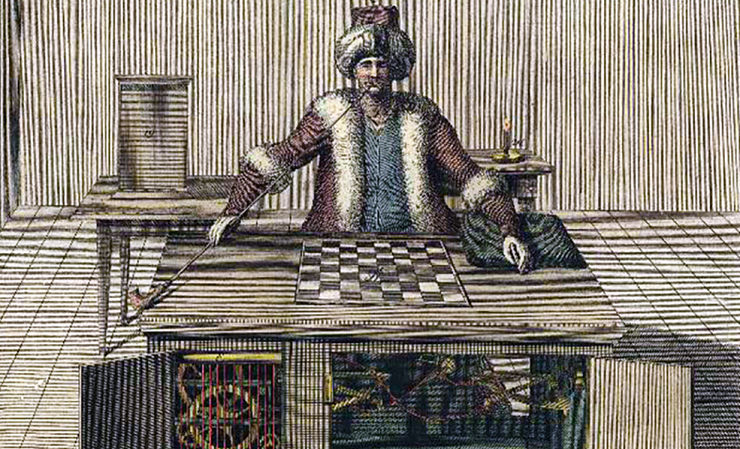
The use of Amazon’s Mechanical Turk in management research has increased from 6 papers in 2012 to 133 in 2019. Given that the practice is rapidly increasing but scholarly opinions diverge, the Journal of Management commissioned this review and consideration of best practices.

Free webinar: Having conversations about race in the classroom Professor of criminal justice Stephanie A. Jirard offers suggestions on how to approach […]
As part of the Impact at UTS podcast series, staff at University of Technology Sydney spoke to researchers about how they navigate collaboration, engagement – with communities, industry and government – and impact.

Biplav Srivastava, professor of computer science at the University of South Carolina, and his team have developed a data-driven tool that helps demonstrate the effect of wearing masks on COVID-19 cases and deaths. His model utilizes a variety of data sources to create alternate scenarios that can tell us “What could have happened?” if a county in the U.S. had a higher or lower rate of mask adherence.
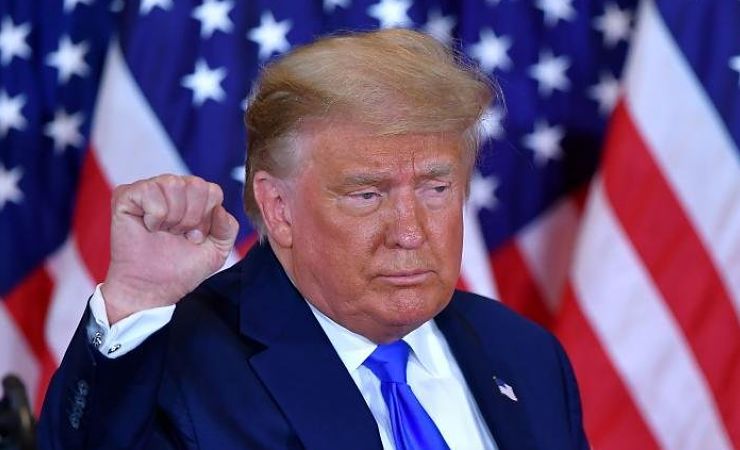
David Canter, a psychologist observing from the United Kingdom, struggles to explain how Trump got 70 million votes in the United states
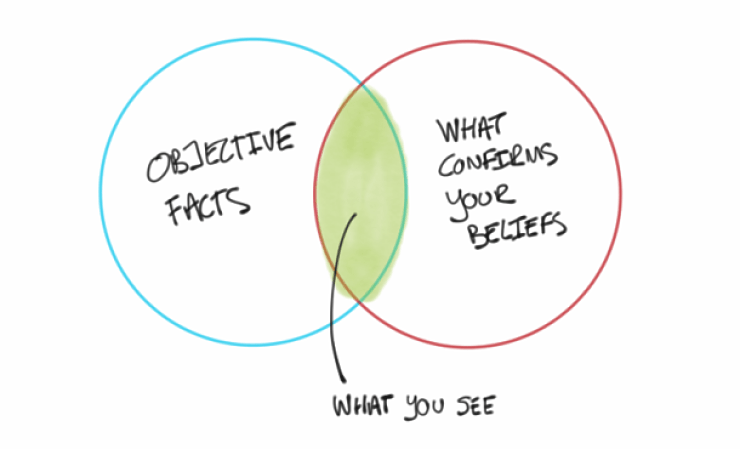
We expect to see confirmation bias play an active role in the politics, where there is a satisfying emotional payoff from assuming the worst of the other side. We do not expect the same phenomenon among highly educated professionals, especially in their seemingly well researched publications. And yet …
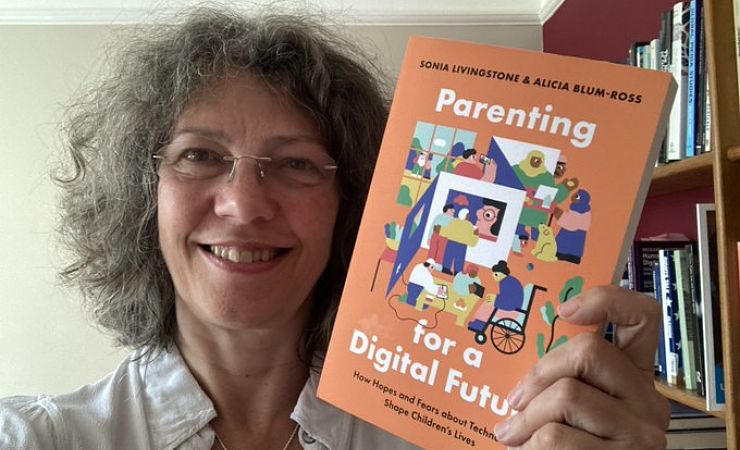
In this Q&A conducted by the LSE Impact blog, social psychologist Sonia Livingstone outlines the ways that the pandemic has transformed the process of promoting a book. She discusses the heightened importance of social media and the opportunities that digital technologies have afforded for reaching new audiences and adapting conventional formats.
People often see science as a world apart: cool, rational and untouched by persuasion or performance. In this view, scientists simply discover […] “Research impact” means different things to different people. Some refer broadly to how science changes behaviors, beliefs, or practices outside academic institutions. […] One researcher studies how war affects children, another took a literal worm’s eye view to examine rural development, while two others scrutinized […] David Canter considers informal places where people socialize, suggesting they’re an arena ChatGPT and other LLMs can’no’t replicate. As someone who lives […] It’s become cliche since Clive Humbly coined it in 2006, but data is indeed the new oil. It’s a mantra repeated by […] In September 2025, The Guardian reported about a lawyer in Australia having faced sanctions due to false citations. These citations were not […]
EXPLORE
Impact

Scientists Should Keep in Mind It’s Called the ‘Marketplace of Ideas’ for a Reason
READ MORE

Survey Finds Social Scientists Feel Unsupported in Seeking Societal Impact
READ MORE
Canada’s SSHRC Names 2025 Impact Winners
READ MORE
Innovation

Reaching Parts to Which AI Has No Access
READ MORE

Andrea Medina-Smith on Making Research Data More FAIR
READ MORE

A Status Check on Hallucinated Case Law Incidents
READ MORE