

Could Distributed Peer Review Better Decide Grant Funding?
The landscape of academic grant funding is notoriously competitive and plagued by lengthy, bureaucratic processes, exacerbated by difficulties in finding willing reviewers. Distributed […]

Twitter, Instagram, Facebook and other social media platforms are sometimes dismissed as distractions for students. But they’re also avenues for scientific communication. Scientists are active on social media, discussing everything from methods to the latest developments in research. They even use social media to raise funds…
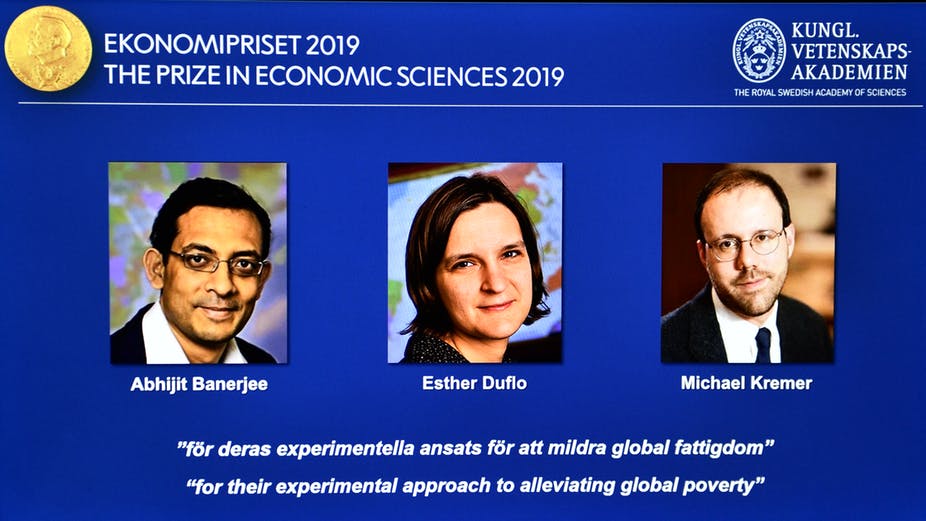
The Sveriges Riksbank Prize in Economic Sciences in Memory of Alfred Nobel 2019 (commonly known as the Nobel Prize for Economics) has been awarded to Abhijit Banerjee, Esther Duflo and Michael Kremer “for their experimental approach to alleviating global poverty.” Through the award, the Nobel committee recognized both the significance of development economics in the world today and the innovative approaches developed by these three economists.
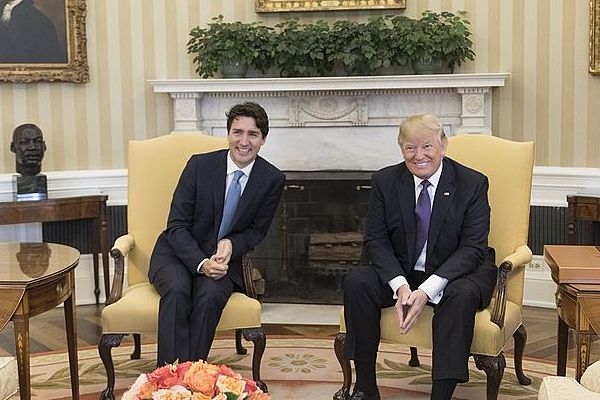
Images tap into attitudes, but not always in the same way for every viewer. An image’s perceived level of influence is based on “believability.” This is the idea that it is true if we agree, fake if we disagree. And it is here that the power of images intersects with the great challenge of the digital age. How do we understand politics, fake news, campaigning, and citizenship in an area dominated by images?
With the advent of the new Research on Research Institute, our Robert Dingwall notes that while research on research fills a gap in the world of knowledge. However, it is important not to confuse it with the research enterprise itself or to assume that this will benefit from being made so planned, rational and evidence-based that the result is to squeeze innovation out of the system.
As part of a SAGE project to demonstrate, measure and promote this impact, we’re looking for short write-ups from members of the social science community that we can share widely to make the case that our disciplines routinely provide knowledge that can be used to improve the human condition.
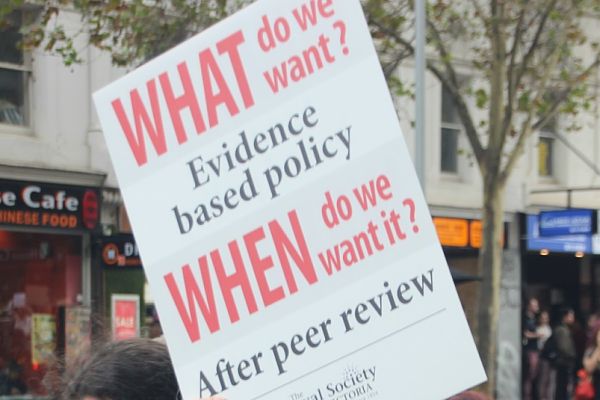
Oscar Williams recounts his experience traveling to the Houses of Parliament with Sense about Science’s “Evidence Week” initiative.
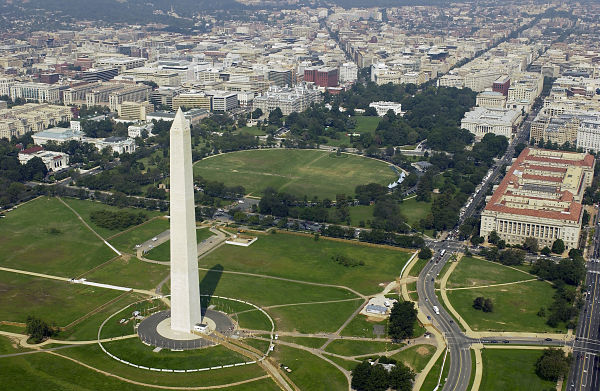
A conference bringing together researchers, policy makers, professional societies, evaluators, funders, private sector players, and a variety of stakeholders to talk about impact in the social sciences and humanities takes place later this month in Washington, D.C.
Current mainstream economic theory needs an overhaul. Modern advanced economies are complex, evolving systems, which cannot continue to be understood only through aggregate quantity. Sergio Focardi discusses the explanatory power of qualitative (in addition to quantitative) understandings of the market.
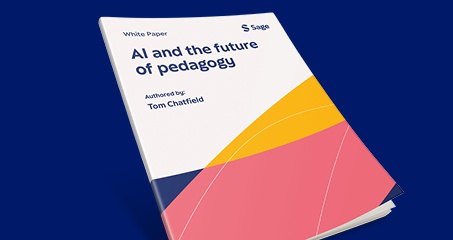
When people trust science, they can make better decisions, follow helpful rules and work together on big problems like health, climate change […] Do you know a social or behavioral science researcher whose work resonates across disciplines and which has made a significant impact in […] Please note: this contest has now closed. The winner will be contacted in due course. This November, Sage and Overton invite you to share the unexpected […] The latest generation of artificial intelligence models is sharper and smoother, producing polished text with fewer errors and hallucinations. As a philosophy […] In a new white paper by Tom Chatfield, the philosopher of tech and critical thinking outlines a practical roadmap for integrating artificial intelligence into […] Distance learning far precedes the digital age. Before online courses, people relied on print materials (and later radio and other technologies) to […]
EXPLORE
Impact

There Is a Cost to Being Honest About Science
READ MORE

Outstanding Social and Behavioral Scientists Sought for Sage-CASBS Award
READ MORE
![Share Your Most Surprising Policy Citation for Chance to Win $500 [Closed]](https://www.socialsciencespace.com/wp-content/themes/conferpress/images/default_thumbnail-new-border.jpg "Share Your Most Surprising Policy Citation for Chance to Win $500 [Closed]")
Share Your Most Surprising Policy Citation for Chance to Win $500 [Closed]
READ MORE
Innovation

An AI Authorship Protocol Aims to Sharpen a Sometimes-Fuzzy Line
READ MORE

A Box Unlocked, Not A Box Ticked: Tom Chatfield on AI and Pedagogy
READ MORE

AI Gaming of Some Online Courses Threatens Their Credibility
READ MORE