

Could Distributed Peer Review Better Decide Grant Funding?
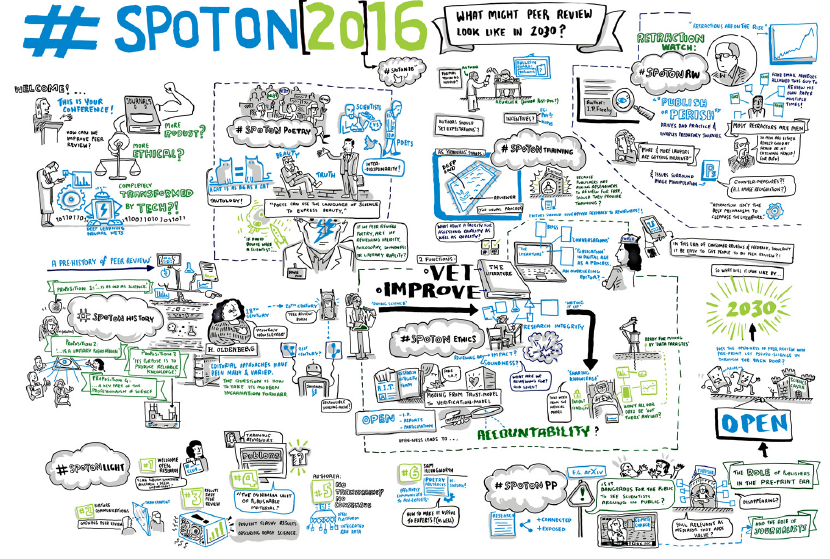
The landscape of academic grant funding is notoriously competitive and plagued by lengthy, bureaucratic processes, exacerbated by difficulties in finding willing reviewers. Distributed […]
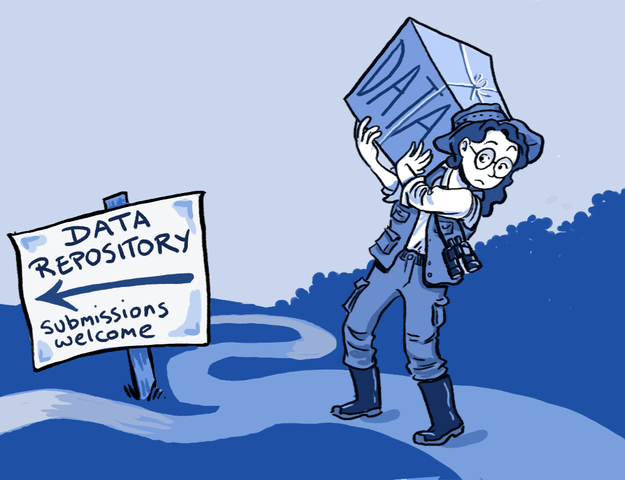
The editor–in-chief of the ‘Psychological Science’ explains why the journal is now encouraging authors to share the data and materials behind their research with their reviewers.

Membership in the European Union was a contract, and the differing legal approaches between situational British common law and the more codified French approach helps explain some of the rancor as Brexit comes to be applied.
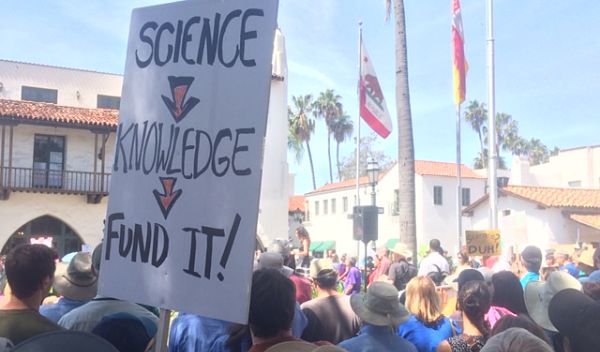
The recent global Marches for Science cast a supportive eye on science and research. And yet any discussion of support eventually comes down to money.
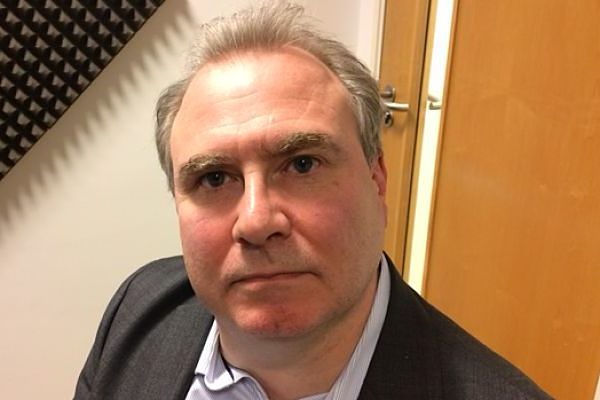
What is an “organization?” According to Chris Grey, the guest in this Social Science Bites podcast, in many ways it’s a moment in time. “An organization,” he tells interviewer David Edmonds, “is also a momentary crystallization of an ongoing process of organizing.”
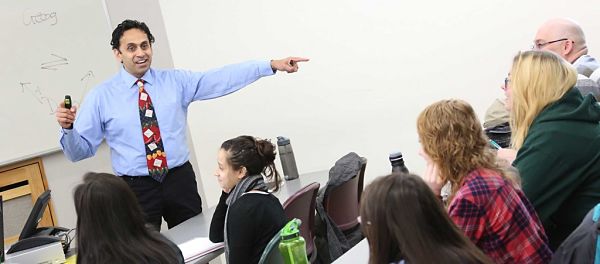
Regan Gurung, the University of Wisconsin-Green Bay psychologist behind the blog ‘Pedagogical Pundit’ and a mass of scholarship on teaching psychology, has been awarded the American Psychological Association Brewer Award for his efforts.

A new report from the Campaign for Social Science argues that behavioral approaches — both at an individual and an institutional level – can and must be part of the attempt to improvement health and the NHS.
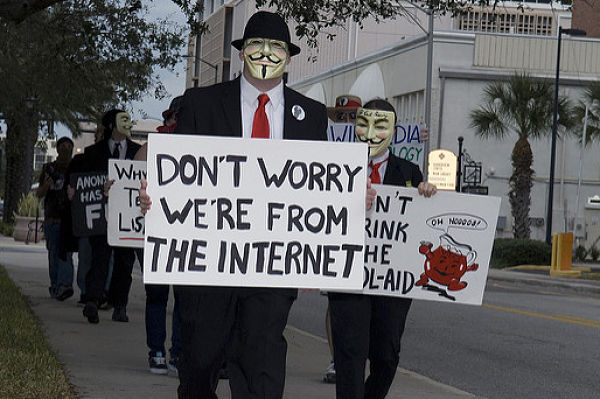
‘By looking more closely at how fake news moves and mobilizes people, we can develop a richer picture of not only how much it circulates where, but also why it circulates and how it resonates amongst different publics.’
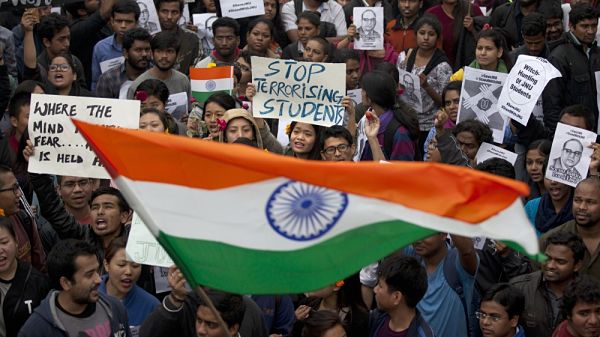
The only way out of the current state of tension for Indian universities, argues political scientists Aftab Alam, is for the institutions to learn to tolerate everything except intolerance.
People often see science as a world apart: cool, rational and untouched by persuasion or performance. In this view, scientists simply discover […] “Research impact” means different things to different people. Some refer broadly to how science changes behaviors, beliefs, or practices outside academic institutions. […] One researcher studies how war affects children, another took a literal worm’s eye view to examine rural development, while two others scrutinized […] David Canter considers informal places where people socialize, suggesting they’re an arena ChatGPT and other LLMs can’no’t replicate. As someone who lives […] It’s become cliche since Clive Humbly coined it in 2006, but data is indeed the new oil. It’s a mantra repeated by […] In September 2025, The Guardian reported about a lawyer in Australia having faced sanctions due to false citations. These citations were not […]
EXPLORE
Impact

Scientists Should Keep in Mind It’s Called the ‘Marketplace of Ideas’ for a Reason
READ MORE

Survey Finds Social Scientists Feel Unsupported in Seeking Societal Impact
READ MORE
Canada’s SSHRC Names 2025 Impact Winners
READ MORE
Innovation

Reaching Parts to Which AI Has No Access
READ MORE

Andrea Medina-Smith on Making Research Data More FAIR
READ MORE

A Status Check on Hallucinated Case Law Incidents
READ MORE