



Could Distributed Peer Review Better Decide Grant Funding?
The landscape of academic grant funding is notoriously competitive and plagued by lengthy, bureaucratic processes, exacerbated by difficulties in finding willing reviewers. Distributed […]
In Metric Power, David Beer examines the intensifying role that metrics play in our everyday lives, from healthcare provision to our interactions with friends and family, within the context of the so-termed data revolution. This is a book that illustrates our growing implication in, and arguable acquiescence to, an increasingly quantified world, but, Thomas Christie Williams asks, where do we locate resistance?
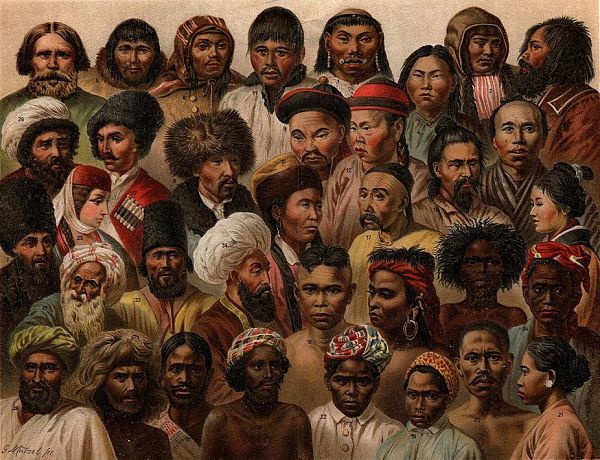
There is a clear consensus among anthropologists that races aren’t real, that they don’t reflect biological reality, and that most anthropologists don’t believe there is a place for race categories in science.
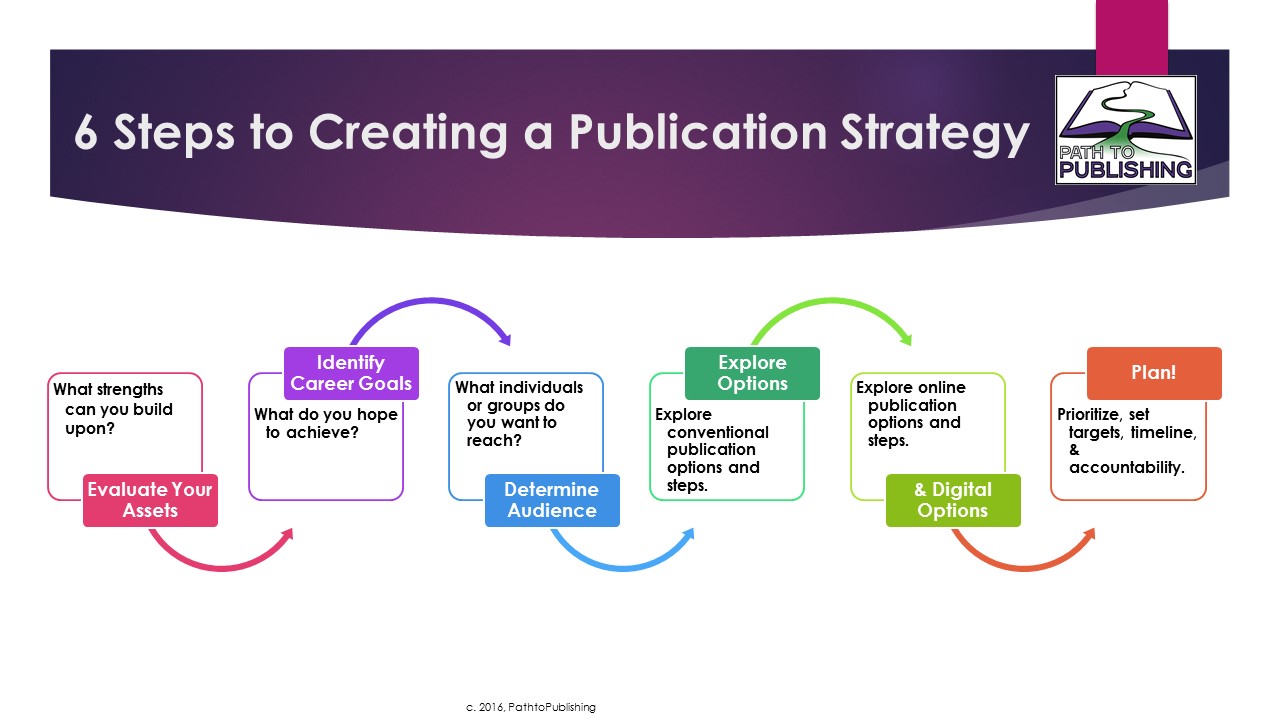
A publication strategy should include carefully-defined goals, a purposeful timeline, and actionable steps for proposing and writing the kinds of pieces large or small that allow others to access what we’ve learned, produce impact, and propel our careers forward.

Ten years ago, the National Institute for Health’s Office of Behavioral and Social Sciences Research (OBSSR) started an annual event to commemorate […]

In this Social Science Bites podcast, MIT’s Sandy Pentland tells interviewer Dave Edmonds about the origins of social physics in the barren days before the advent of widespread good data and solid statistical methods and how it blossomed as both a field and for Pentland’s own research.

Our Robert Dingwall reflects on Tinder’s in-house sociologist and on the just-announced New Year’s Honours list to question just how diverse are current understandings of diversity.
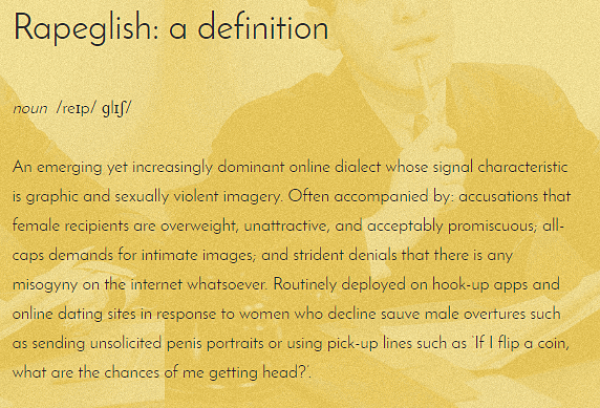
A new computer program from the author of ‘Misogyny Online’ slices up and shuffles around an archive of sexualized vitriol, rape threats, and aggressive sleaze received by real-life women and presents its own version of what is called Rapeglish.

The U.S. National Institutes of Health debuted its NIH Behavioral and Social Sciences Research Festival on December 2, an event which focused on research underway in the past year.

Euan Adie, the founder of Altmetric and later of Overton, discusses the reasons the led to Overton’s focus on showing researchers how […] Here’s a couple of quick questions for you. What is the smallest of the eight discipline-based directorates at the United States’ National […] Sage’s 10-Year Impact Awards recognize academic papers appearing in Sage-published journals that have achieved lasting impact. The winning papers are the most […] I was adding some final flourishes on the topic of ‘iatrocracy’ to my forthcoming book with Natewindé Sawadogo – Sickness and Social […] How is AI changing the shape and space of higher education? Critical thinking continues to rank highly among key skills and attributes […] My colleagues and I recently spoke with a group of talented, interesting students who just completed their first year of college about […]
EXPLORE
Impact

Quick Insight: Euan Adie on Getting Academics Credit for Their Impact
READ MORE

NSF’s Embattled SBE Directorate Shown as Agency’s Policy Heavyweight
READ MORE

Sage’s 10-Year Impact Awards Capture Longer-Term Significance
READ MORE
Innovation

AI and ‘Iatrocracy’ – A Cautionary Tale
READ MORE

The Critical Student: How GenAI Reshapes Critical Skills and Higher Education’s Role Preparing Students For It
READ MORE

AI Doesn’t Drive Student Cheating. It Just Hitches a Ride
READ MORE