

Could Distributed Peer Review Better Decide Grant Funding?
The landscape of academic grant funding is notoriously competitive and plagued by lengthy, bureaucratic processes, exacerbated by difficulties in finding willing reviewers. Distributed […]
The new volume of Sociological Studies of Children and Youth, entitled “Technology and Youth: Growing Up in a Digital World,” explores the […]

Sense About Science’s Tracey Browne last week delivered ‘The Ugly Truth’ – an examination of “the need to encourage accountability and support scrutiny over research” to an audience of academics, researchers, policymakers and learned societies.

Have japan’s national universities been ordered — or coerced — into dismantling their humanities and social science programs or not? Jeff Kingston of Temple University Japan walks us through an answer tangled up in patriotism, politics and the nation’s ailing academy.
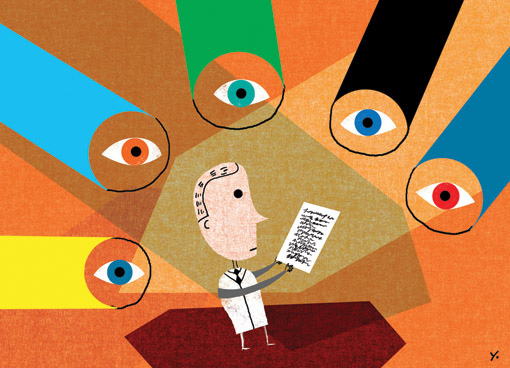
Andrew Preston of Publons argues that while the academic community does “a pretty good job of peer reviewing,” the process remains hampered by the 19th century technology used to manage the process.

We’re pleased to congratulate Andrew D. Brown, Devaki Rau, Chris Robert and Li-Yun Sun, winners of Group and Organization Management‘s Outstanding Reviewer […]
[We’re pleased to welcome Seth A. Jacobson, Jamie L. Callahan, and Rajashi Ghosh, all of Drexel University. They recently discussed their article […]
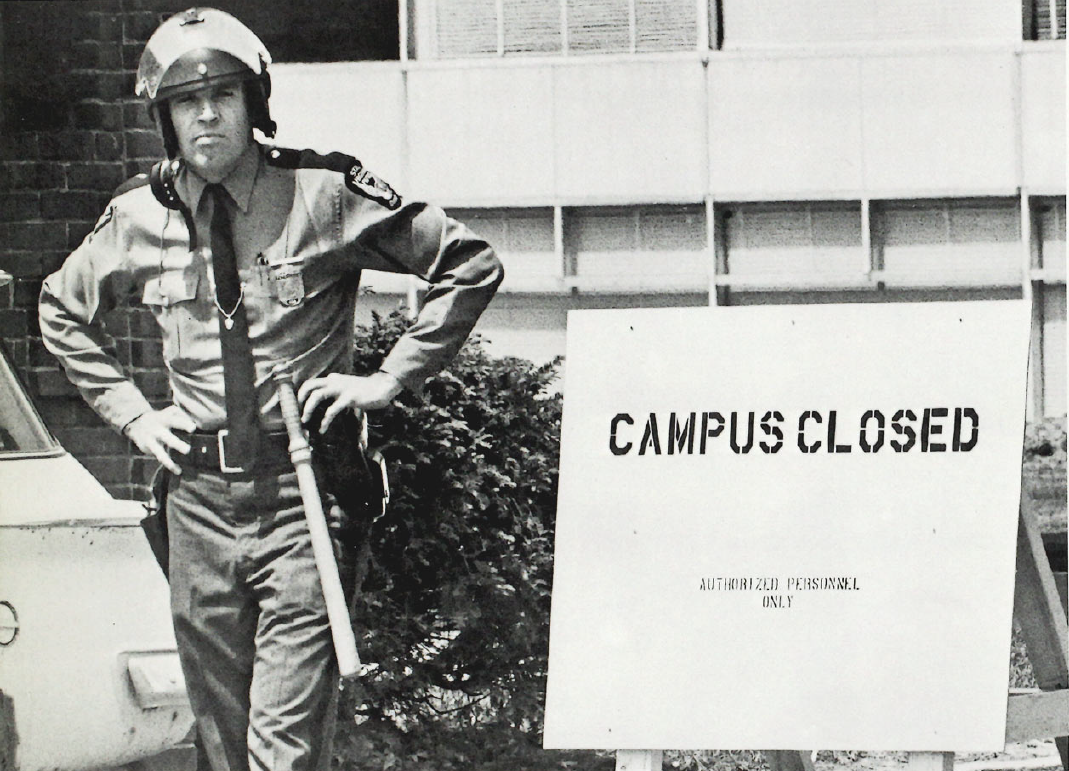
Although a U.S. government shutdown has apparently been kicked down the road just a little bit longer, but a potential new shutdown — and its ruinous consequences for grant-funded science –always seems to be just around the corner.
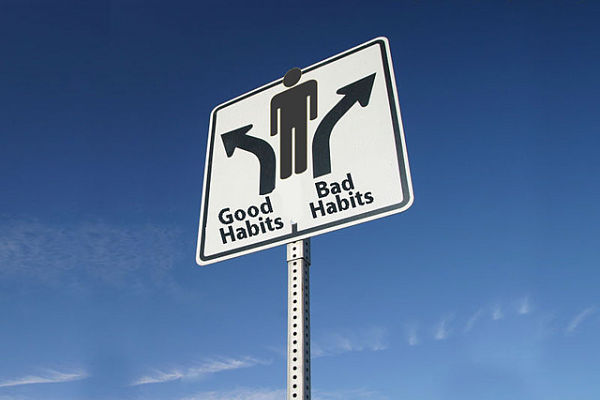
How interventions are designed matter as much as what they do. In that vein, Harvard researchers Erin Frey and Todd Rogers have identified four pathways through which behavior change interventions can achieve long-term impact.
People often see science as a world apart: cool, rational and untouched by persuasion or performance. In this view, scientists simply discover […] “Research impact” means different things to different people. Some refer broadly to how science changes behaviors, beliefs, or practices outside academic institutions. […] One researcher studies how war affects children, another took a literal worm’s eye view to examine rural development, while two others scrutinized […] David Canter considers informal places where people socialize, suggesting they’re an arena ChatGPT and other LLMs can’no’t replicate. As someone who lives […] It’s become cliche since Clive Humbly coined it in 2006, but data is indeed the new oil. It’s a mantra repeated by […] In September 2025, The Guardian reported about a lawyer in Australia having faced sanctions due to false citations. These citations were not […]
EXPLORE
Impact

Scientists Should Keep in Mind It’s Called the ‘Marketplace of Ideas’ for a Reason
READ MORE

Survey Finds Social Scientists Feel Unsupported in Seeking Societal Impact
READ MORE
Canada’s SSHRC Names 2025 Impact Winners
READ MORE
Innovation

Reaching Parts to Which AI Has No Access
READ MORE

Andrea Medina-Smith on Making Research Data More FAIR
READ MORE

A Status Check on Hallucinated Case Law Incidents
READ MORE