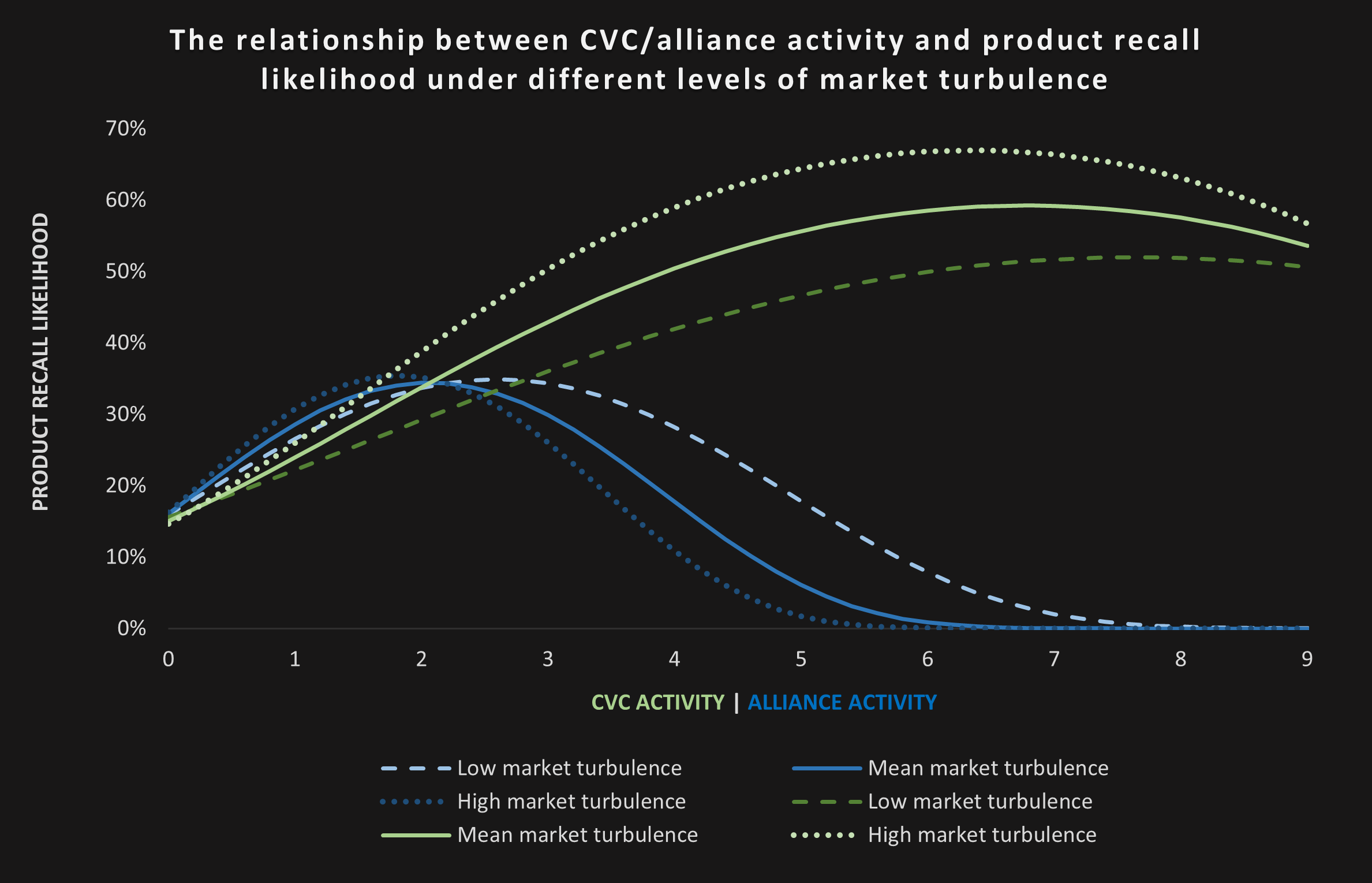

Could Distributed Peer Review Better Decide Grant Funding?
The landscape of academic grant funding is notoriously competitive and plagued by lengthy, bureaucratic processes, exacerbated by difficulties in finding willing reviewers. Distributed […]
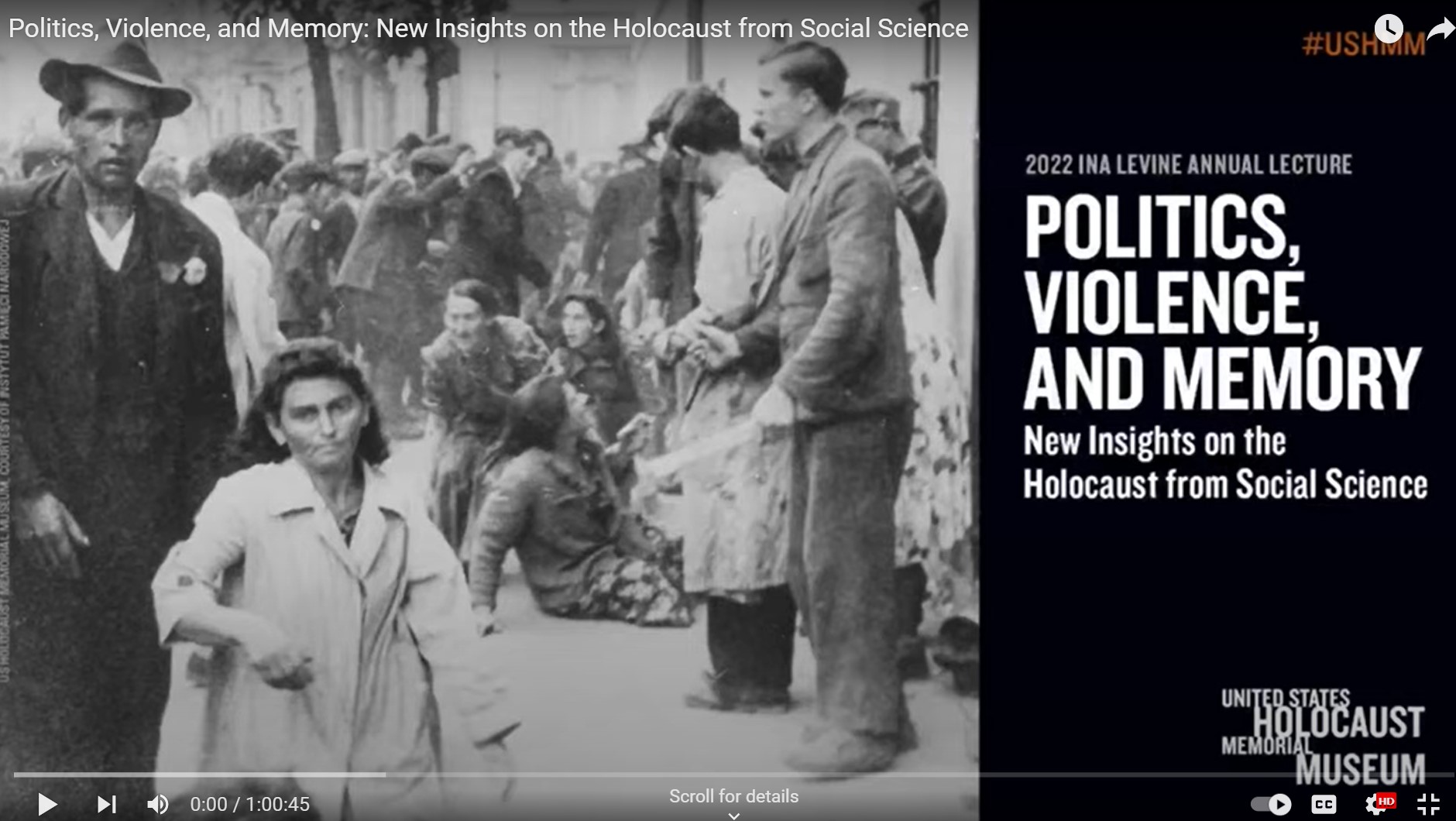
Political scientist Jeffrey Kopstein outlines some of the evolutions in social science that are allowing scholars to study the Holocaust and its current impacts.

We live in a culture profoundly influenced by the legacy of the Holocaust. More than seven decades after the fact, the Nazi extermination […]

The American Sociological Association recently released a statement “urg[ing] public officials, educators, and lawmakers to avoid suppressing knowledge, violating academic and free speech, and prohibiting scholars and teachers from discussing and teaching about the roles of race and racism in society.

Simone Natale and Leah Henrickson draw on their research into computational creativity and introduce the concept of the ‘Lovelace Effect’, to explain how creativity is often a product of social conventions and why as a consequence, educators and researchers should think carefully about what constitutes good writing in their fields.
What can German history since 1871 tell us about the relationship between nationalism, democracy, and authoritarianism, both in Germany and in Europe […]
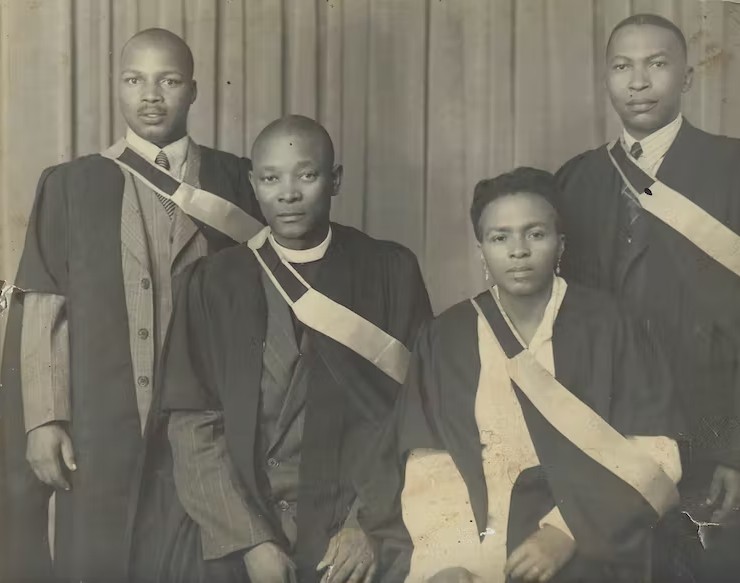
Born in South Africa and exiled to neighboring Eswatini, Regina Twala was one of southern Africa’s most important intellectuals: a pioneering writer, academic, political activist and feminist. Why, then, has she been all but forgotten?
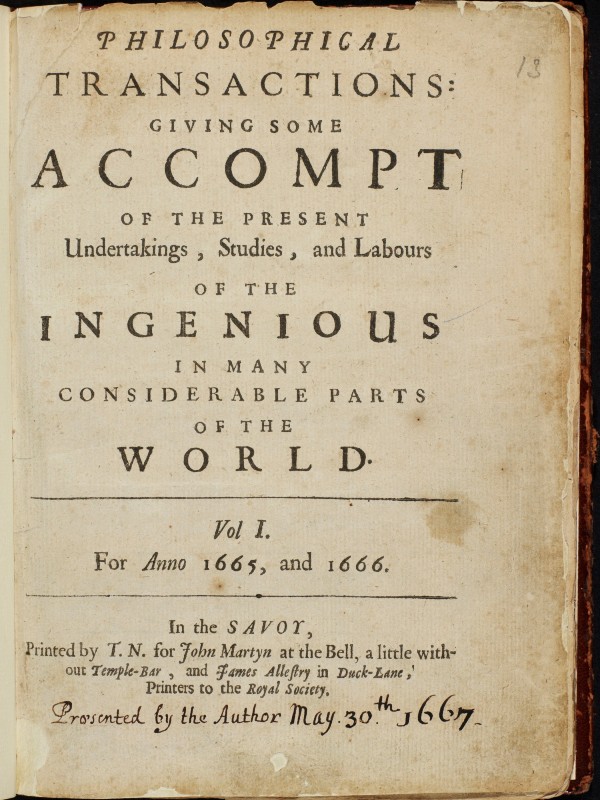
Historically, there has been a tight link between journals, journal publications and a community of scholars working in specific fields of research who contribute to and manage them. Aileen Fyfe asks if we should rethink the structure of the learned societies that underpins this.
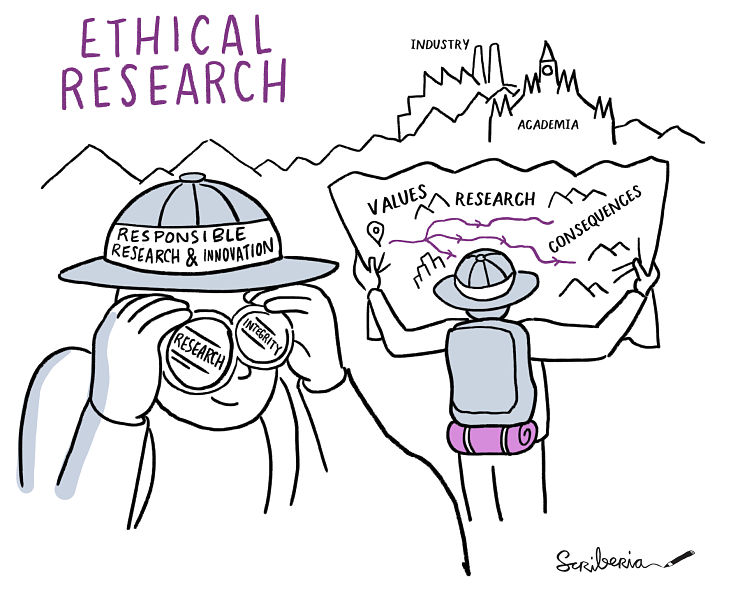
Jasper Knight identifies five key issues that underlie working with human subjects in research and which transcend institutional or disciplinary differences.
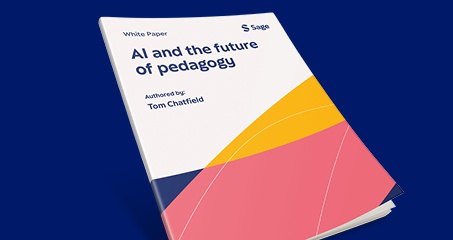
When people trust science, they can make better decisions, follow helpful rules and work together on big problems like health, climate change […] Do you know a social or behavioral science researcher whose work resonates across disciplines and which has made a significant impact in […] Please note: this contest has now closed. The winner will be contacted in due course. This November, Sage and Overton invite you to share the unexpected […] The latest generation of artificial intelligence models is sharper and smoother, producing polished text with fewer errors and hallucinations. As a philosophy […] In a new white paper by Tom Chatfield, the philosopher of tech and critical thinking outlines a practical roadmap for integrating artificial intelligence into […] Distance learning far precedes the digital age. Before online courses, people relied on print materials (and later radio and other technologies) to […]
EXPLORE
Impact

There Is a Cost to Being Honest About Science
READ MORE

Outstanding Social and Behavioral Scientists Sought for Sage-CASBS Award
READ MORE
Share Your Most Surprising Policy Citation for Chance to Win $500 [Closed]
READ MORE
Innovation

An AI Authorship Protocol Aims to Sharpen a Sometimes-Fuzzy Line
READ MORE

A Box Unlocked, Not A Box Ticked: Tom Chatfield on AI and Pedagogy
READ MORE

AI Gaming of Some Online Courses Threatens Their Credibility
READ MORE