


Could Distributed Peer Review Better Decide Grant Funding?
The landscape of academic grant funding is notoriously competitive and plagued by lengthy, bureaucratic processes, exacerbated by difficulties in finding willing reviewers. Distributed […]
Through the SSRC’s Mercury Project, a first cohort of 12 teams from 17 countries is tasked with researching locally tailored solutions on how bad health information spreads, how to combat it, how to build stronger information systems, and how to increase COVID-19 vaccination rates.
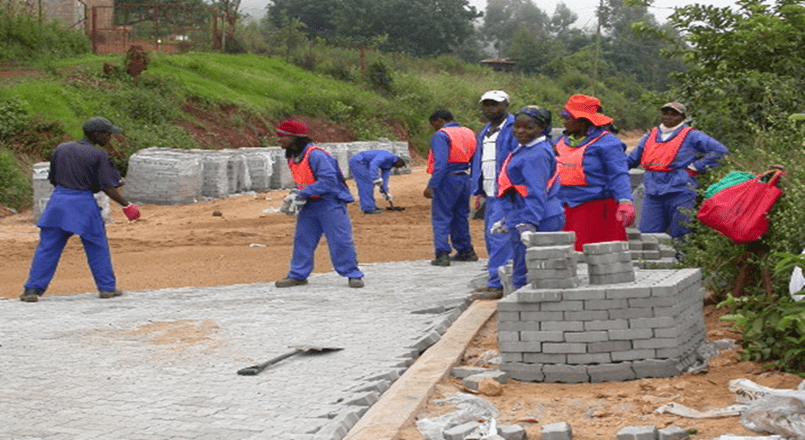
Desmond T. Ayentimi, a senior lecturer of management at the Tasmanian School of Business and Economics, University of Tasmania, reflects on his most recent paper, “Decent Gig Work in sub-Saharan Africa.”

In an upcoming webinar on September 28, the Campaign for Social Science and SAGE Publishing (the parent of Social Science Space) will […]
Matthew CB Lyle recounts the journey behind his co-authored qualitative methods paper and the uphill trek it represented because, as he puts, ‘I didn’t know anything when I started.’

Research communication can often seem like a monolith, if you want to take your research beyond the walls of the university then do x-y-z. As Andy Tattersall describes, there are in fact many hands and styles of work that contribute to effective research communications.
One of the currently raging issues in the management field has to do with the use of “templates” in qualitative research.
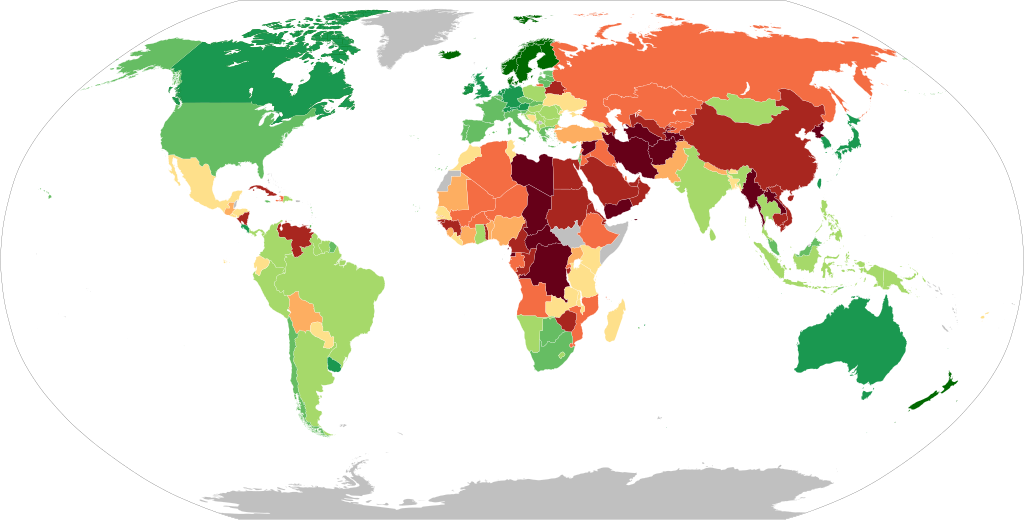
There’s a strong correlation between academic freedom and other elements of democracy. But cause and effect are not so clear. The African experience makes the relationship clearer because simultaneously, and in a relatively short time, the whole continent moved from one-party to multiparty systems.
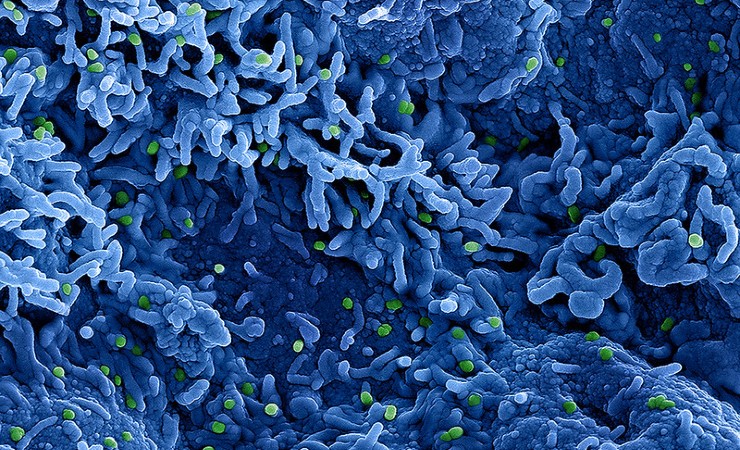
SAGE has collected recent open research related to monkeypox and orthopoxvirus (the genus that includes monkeypox) in an effort to support the global response to the disease.
People often see science as a world apart: cool, rational and untouched by persuasion or performance. In this view, scientists simply discover […] “Research impact” means different things to different people. Some refer broadly to how science changes behaviors, beliefs, or practices outside academic institutions. […] One researcher studies how war affects children, another took a literal worm’s eye view to examine rural development, while two others scrutinized […] David Canter considers informal places where people socialize, suggesting they’re an arena ChatGPT and other LLMs can’no’t replicate. As someone who lives […] It’s become cliche since Clive Humbly coined it in 2006, but data is indeed the new oil. It’s a mantra repeated by […] In September 2025, The Guardian reported about a lawyer in Australia having faced sanctions due to false citations. These citations were not […]
EXPLORE
Impact

Scientists Should Keep in Mind It’s Called the ‘Marketplace of Ideas’ for a Reason
READ MORE

Survey Finds Social Scientists Feel Unsupported in Seeking Societal Impact
READ MORE
Canada’s SSHRC Names 2025 Impact Winners
READ MORE
Innovation

Reaching Parts to Which AI Has No Access
READ MORE

Andrea Medina-Smith on Making Research Data More FAIR
READ MORE

A Status Check on Hallucinated Case Law Incidents
READ MORE