World Anthropology Day: What Anthropology Can Teach Us During COVID-19?
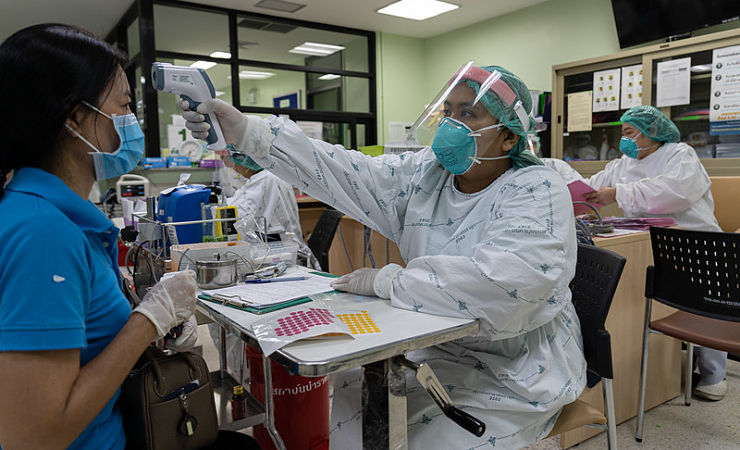
With a virus running rampant across the world, the value of a global perspective becomes obvious: We must remember to observe the nuances of cultural and historical contexts when forming effective responses to COVID-19, on both individual and societal levels.
How can we embrace this universal mindset? Turning to anthropologists is a good way to start.
Through the lens of culture, anthropologists study the past, present, and future of humanity, simultaneously pulling from their interdisciplinary social science background. Further bridging the gap between academia and practice, the area of applied anthropology critically examines its research, with a focus on advocating how we as humans can improve moving forward together.
One of the largest subfields of applied anthropology — medical anthropology — studies the relationship between healthcare systems, medical practices, diseases, death, and wellness, focusing on the cultural contexts, in examining how different communities approach the idea of health (see this chapter from Raymond Scupin’s Cultural Anthropology for an exploration).
History shows this field’s importance. During the 1950s a leading medical anthropologist, Benjamin Paul, explored the “immediate situation where medicine and community meet.” By respecting, including, and adopting the insights of local communities and their perception of health and healthcare, Paul’s research highlighted more effective medical treatments and responses. His work underscores the importance of utilizing a global perspective in response to moments in time like the current pandemic.
Alongside working with essential healthcare personnel, medical anthropologists also draw on their cross-cultural and interdisciplinary studies of medicine to rectify inequities in healthcare structures within public policy.
The work of medical anthropologists advocates for those less represented in the present moment, but also paves the way for future change in shaping policy and action. Their work highlights the crucial importance of cultivating and including cultural frames of reference within our medical and government infrastructures.
But not only useful for informing the work of those in the medical field or public policy, anthropology reminds all of us about our role in cultivating cultural respect and condemning discrimination and division. As we’ve seen during COVID-19 with the rise of anti-Asian racism, including hate crimes and the defamatory use of terms such as the “Chinese Virus,” pandemics often incite a culture of fear, with societies turning towards the habit of “othering,” accepting stigma and stereotypes at hand. Anthropology highlights these xenophobic actions and points toward change in societal structures and norms by highlighting the power in diversity of culture.
Whether we are facing a global pandemic, coping with feelings of loneliness, or simply cooking a meal, anthropologists’ work reminds us of the common humanity we all share. It spurs us to look beyond ourselves, embrace our cultures, and connect with other communities and individuals, bridging the gap especially during tumultuous times.
For more history and research on anthropology, take a look at these titles from SAGE Publishing, Social Science Space’s parent:
“How to Respond in a Pandemic”
“The SAGE Handbook of Social Anthropology”
“The SAGE Handbook of Cultural Anthropology” Coming April 2021