East and Southeast Asians and the Definition of Britishness
The unfolding events of recent years have made one thing clear: we are steadily descending into a tangle of interconnected crises.
Social unrest is growing as groups of people resist exploitation, repression and systemic injustice. From labor strikes to environmental activism, grassroots movements worldwide are challenging the status quo – yet authoritarian governments increasingly appear to respond with crackdowns rather than reforms.
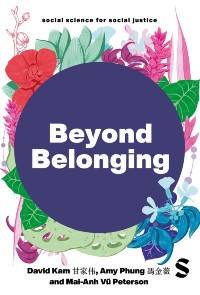
Type ‘Asian activists’ or ‘Asian anti-racism’ into a search engine and a plethora of results will link to articles written by, about, and for Asian Americans.1 By contrast, in the early stages of researching our new book Beyond Belonging: East and Southeast Asian Presence, Identity and Activism in the UK, we ran into difficulties finding studies on East and Southeast Asian (ESEA) communities in the UK United Kingdom that weren’t a footnote or a one line addition to a larger piece about South Asians or ‘BAME’ (Black, Asian, minority ethnic)2 communities. Against a tide of rising anti-immigrant sentiment in this country, it feels more important than ever to understand ESEA presence, identities and struggles in a UK-specific context.
At the time of writing, the definition and experience of what it means to be ‘British’ is expanding and evolving to embrace more variance and possibility than ever before. Within ‘identities’ like ‘British Asian’, we may find a multitude of others: British Indian, Welsh Pakistani, British ESEA, Scottish Hakka, Hong Kong Londoner, British Viet Hoa, to name a few. Identity markers are informed by ethnicity, race, nation, city of residence, religion and many more. It is a beautiful thing not to be limited by semantics. Many ESEA people residing in the UK – even those with citizenship – don’t use terms like ‘English’, ‘Scottish’ or even ‘British’ to describe themselves, yet their experiences are still very much part of the fabric of life in the UK.

Over the last seven decades, as a result of the changing tides of migration, post-war economic shifts and evolving social behaviors, multiethnic communities in Britain have become more present in its society. With that, we have had to reckon with what it means to be a new kind of British. We have seen governments push to incorporate ‘British values’ into the teachings of schools and institutions, but those British values speak to a white, middle class experience many other communities in the UK cannot relate to.
Recent years have seen global protests against the repeated killings of Black people by police in the United States, increased scrutiny of the legacies of Empire, and more focus on the impact of systemic racism. These have all meant that the UK seems to have a much more enlightened racial discourse than it did 20 years ago. In terms of cultural shifts, the celebration of holidays like Diwali, Eid and Lunar New Year are now more commonplace in the public sphere. There are more initiatives dedicated to preserving the history and heritage of Black and Asian communities, and being against the ‘mixing of races’ is now no longer a majority opinion. One study suggested 89% of Brits would be happy for their child to marry into a different ethnic group.
While we certainly haven’t achieved a ‘post-racial’ society or a liberated one, it’s safe to say that things are very different now than after the post-World War II migration boom. It’s important we remember this. Despite disagreements in political movements, it’s undeniable that some things have changed. There are plenty of challenges that come with community organizing, organic growth as ideas change and politics shift, but it’s important we don’t throw the baby out with the bathwater when we’re considering what’s working, what isn’t, and what needs to change.
How do ESEA people fit into the history of civil rights movements and resistance in the UK?
Alongside the history of the Bristol Bus Boycott in 1963 by striking Black workers, and the collective action of young South Asians in the Asian Youth Movements in the 1970s–1980s, we should also learn of the striking Chinese seamen in Liverpool in 1942, or the mass mobilization of ESEA workers in London in protest of racist media scaremongering surrounding the foot and mouth disease epidemic in the early 2000s. By calling attention to stories of historical resistance by a multitude of marginalized groups against similar struggles, we contribute to a practice in which systems of oppression are tackled collectively, allowing us to work in cross-cultural solidarity with each other rather than against each other.