Quick Insight: Christina Bell on the Hidden Effects of Censorship
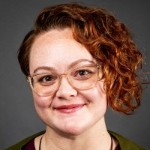
Christina Bell, reference and instruction librarian at Arizona’s Glendale Community College, examines the less visible forms of censorship and how restrictions on information can quietly influence what people discover, access, and discuss. She highlights the different terrain that librarians at academic libraries face compared to librarians at public libraries, and reviews how censorship can have consequences even when information isn’t being directly requested to be removed. Listen as she shares her perspective on the hidden costs of censorship and why what we don’t see may matter most.
A transcript of her remarks appears below her video.
I’m Christina Bell. I’m library faculty, a reference and instruction librarian from Glendale Community College.
We see censorship showing up in academic libraries in different ways than we do in public and school libraries. We’re not facing very direct requests for bans or challenges to our materials in the same way we see in other libraries. Rather, it’s much more backdoor deals and government demands for change in our curriculum and in what we’re doing going forward. So even if very often we’re not being asked to remove materials, it is challenges to what we continue to buy and how we continue to show up for our students in ways that is really detrimental to our student populations.
If you don’t think censorship doesn’t affect you it’s just because you’re not seeing it as censorship. Censorship shows up in everyday life whether that’s something you see online, in person, in your library, in your school. Oftentimes censorship is most insidious precisely because it’s taking away the things you don’t know are gone. Censorship is often the worst when you’re losing access to materials, to resources, to people, and you don’t even notice the absence because they’re just no longer present for you, no longer available for you. You don’t know what you don’t know, and if you can’t see it anymore you may not realize that material has been censored away, that person’s voice has been limited, or that perspectives that are different than your own are being challenged and removed from your line of sight.