Quick Insight: Dr. Nicole A. Cooke on Censorship, Diversity, and Democracy
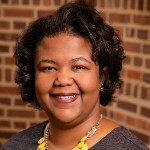
Nicole A. Cooke, Augusta Baker Endowed Chair and professor at the School of Library and Information Science at the University of South Carolina, explains why censorship is about more than just differences in opinion. She discusses the vital role information plays in empowering individuals and fostering informed citizenship.
My name is Dr. Nicole Cook. I’m the Augusta Baker Endowed Chair and a professor at the School of Information Science at the University of South Carolina.
So when access is restricted, it really hinders people, whether they be students, faculty, staff, etc., from having the information they need to make informed decisions. And informed decisions impact just about everything we do in life, from our families, our health, our pets, our work, etc. So when we’re not informed, we can’t make good decisions, and that extends more largely to democracy as well. So we really think about access as a democratic act, and giving people the information they need to be the best citizens and people they can be.
So censorship impacts everyone, whether they think that or not. If we don’t have the information we need to make good decisions and be good people, it really does impact everyone. You know, when thinking about censorship and book banning, just because you don’t want to read something doesn’t mean that someone else won’t want to read it, because if they read it, it literally could change or save their life. So censorship really does impact everyone. It’s not just about personal opinions or personal preferences. It is about living life to its fullest, and that varies from person to person. So we have to be okay with that diversity and people being different from us, and we have to embrace and celebrate those differences and understand that different information needs to find different people.