



Could Distributed Peer Review Better Decide Grant Funding?
The landscape of academic grant funding is notoriously competitive and plagued by lengthy, bureaucratic processes, exacerbated by difficulties in finding willing reviewers. Distributed […]

When was the last time you went out for a Thai meal, got items from the ethnic isle of a supermarket, wore […]

Behavioral and social science grant recipients from America’s National Institutes of Health appear to have not published their results within five years at a greater rate than for their non-behavioral peers. An NIH director investigated …

In the new HEPI report, “Mixed Media: what universities need to know about journalists so they can get a better press”, veteran journalist Rosemary Bennett addresses the universities’ routine silence in public discussion of education and what they should do to rectify that.
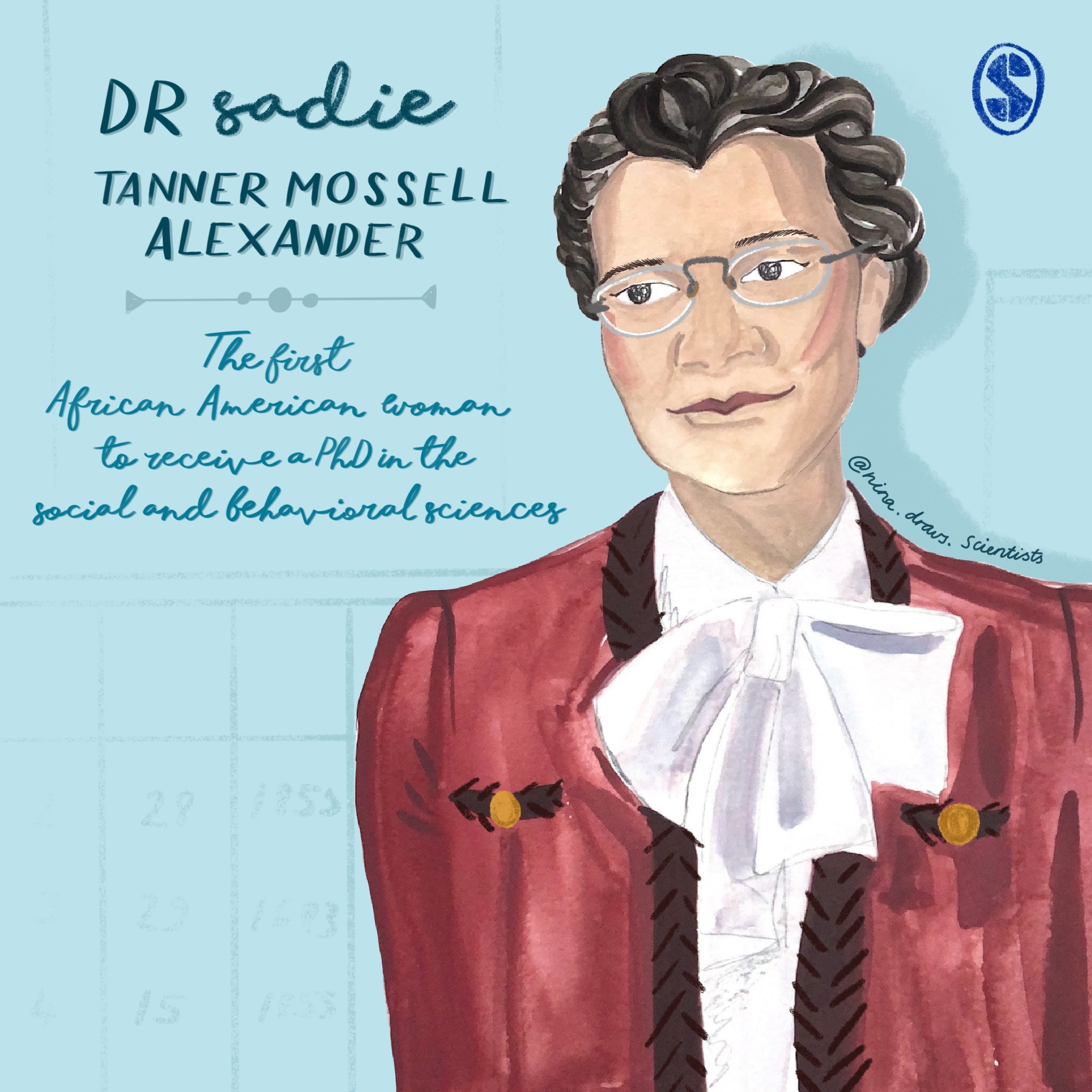
“I knew well that the only way I could get that door open was to knock it down; because I knocked all of them […]

I claimed that New Mexico is part of the Galapagos Islands, that craniotomy is a legitimate means of assessing student learning, and that all my figures were made in Microsoft Paint. Any legitimate peer reviewer who bothered to read just the abstract would’ve tossed the paper in the garbage (or maybe called the police).
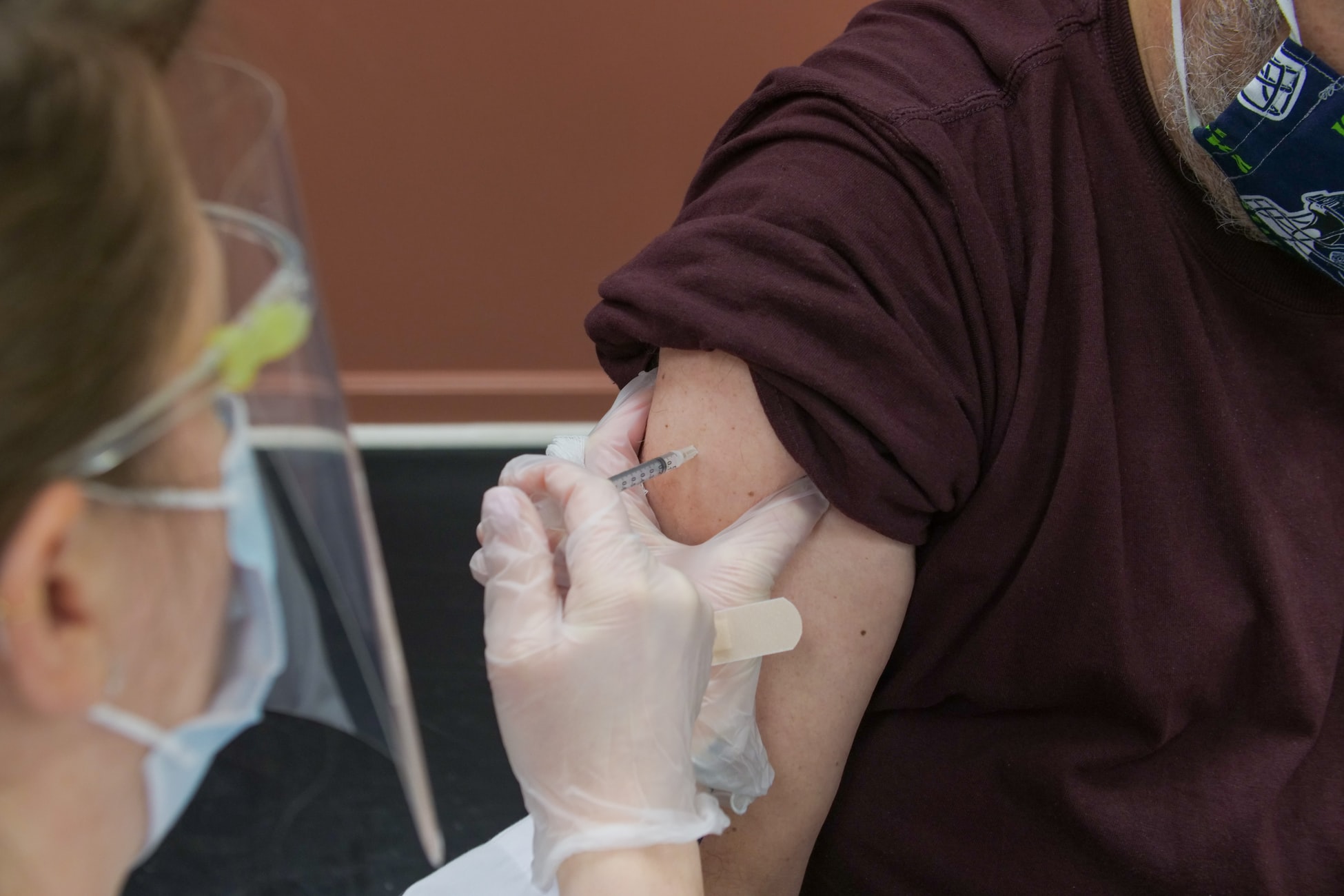
The COVID-19 pandemic has caused extraordinary devastation, claiming millions of lives and disrupting the economy and daily life across the globe. From […]
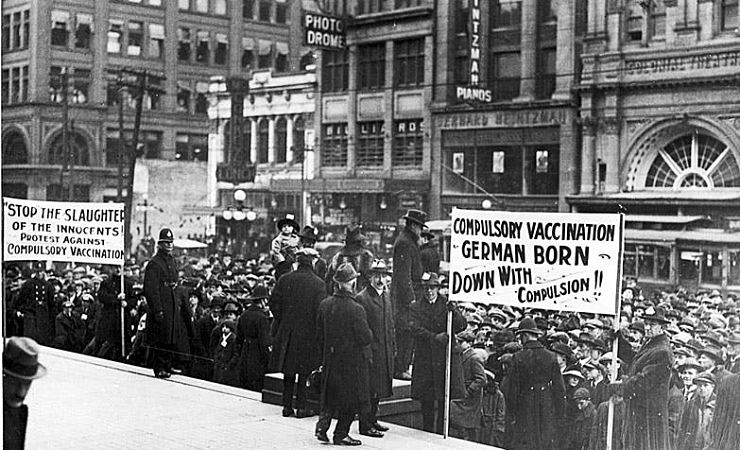
David Canter considers the tragic implications of people not understanding what they are told by politicians and experts.
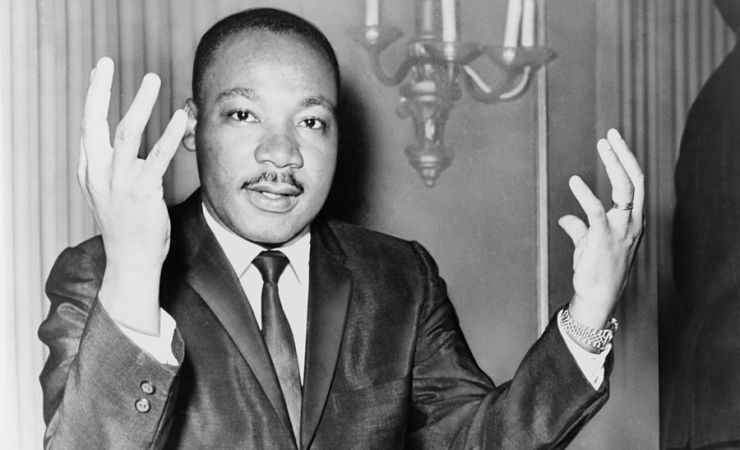
January 15, 1929, was the birthdate of Martin Luther King Jr. We take the opportunity of what would have been the civil rights leader’s birthday to recall his address before many of the leading American social and behavioral scientists of his day.
Jürgen Habermas, a globally known social theorist whose explorations of democracy, validity and communication have gained new prominence in the current moment, […] People often see science as a world apart: cool, rational and untouched by persuasion or performance. In this view, scientists simply discover […] “Research impact” means different things to different people. Some refer broadly to how science changes behaviors, beliefs, or practices outside academic institutions. […] David Canter considers informal places where people socialize, suggesting they’re an arena ChatGPT and other LLMs can’no’t replicate. As someone who lives […] It’s become cliche since Clive Humbly coined it in 2006, but data is indeed the new oil. It’s a mantra repeated by […] In September 2025, The Guardian reported about a lawyer in Australia having faced sanctions due to false citations. These citations were not […]
EXPLORE
Impact

Jürgen Habermas, 1929-2026: Exponent of the Public Sphere
READ MORE

Scientists Should Keep in Mind It’s Called the ‘Marketplace of Ideas’ for a Reason
READ MORE

Survey Finds Social Scientists Feel Unsupported in Seeking Societal Impact
READ MORE
Innovation

Reaching Parts to Which AI Has No Access
READ MORE

Andrea Medina-Smith on Making Research Data More FAIR
READ MORE

A Status Check on Hallucinated Case Law Incidents
READ MORE