

Could Distributed Peer Review Better Decide Grant Funding?
The landscape of academic grant funding is notoriously competitive and plagued by lengthy, bureaucratic processes, exacerbated by difficulties in finding willing reviewers. Distributed […]
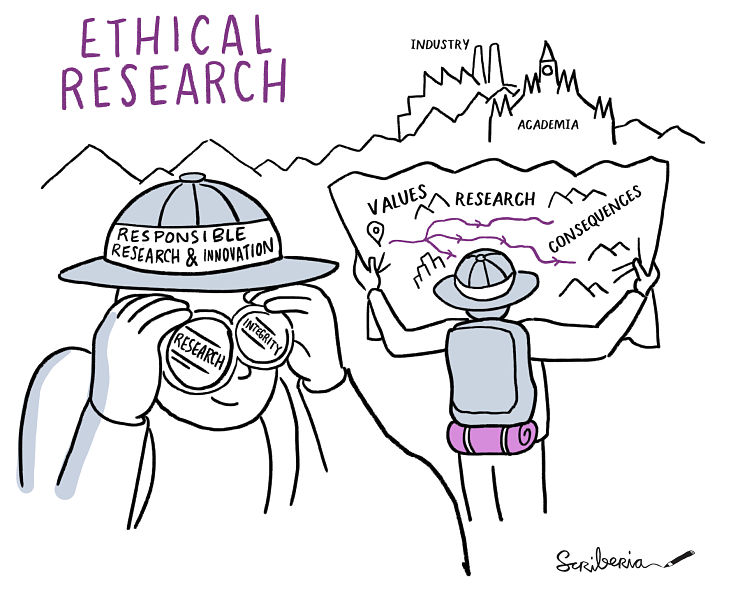
The Indian University Grants Commission (UGC) has introduced a number of policies aimed at addressing issues around the robustness and quality of Indian research. One focus of these policies has been the introduction of mandatory publishing ethics training for Indian PhD students aimed at reducing unethical or predatory research and publishing practices. In this blogpost, Santosh C. Hulagabali, reflects on the successful development of this course in his own institution and how ethical training may influence scholarly communication more broadly in India.

The impact of the pandemic on all sectors is only beginning to emerge and given the need for greater flexibility, adaptability and […]

Theresa Jane Tanenbaum argues that publishers must commit to correcting all of their records when a scholar changes their name and not just the ones that are easy to correct.

Most science communication training programs query participants and get positive responses. But more probing research has shown that students consistently overestimate how well they perform.

Being bad at math can kill people. Even experts who should understand medical science and help us make good health decisions sometimes […]

Academic book publishing is under threat. Global university rankings and competition for funding and international student enrolments are reshaping the research landscape. […]

Un-modeling the ‘model minority’ — a term often used to describe Asian American populations in the United States — is a crucial […]
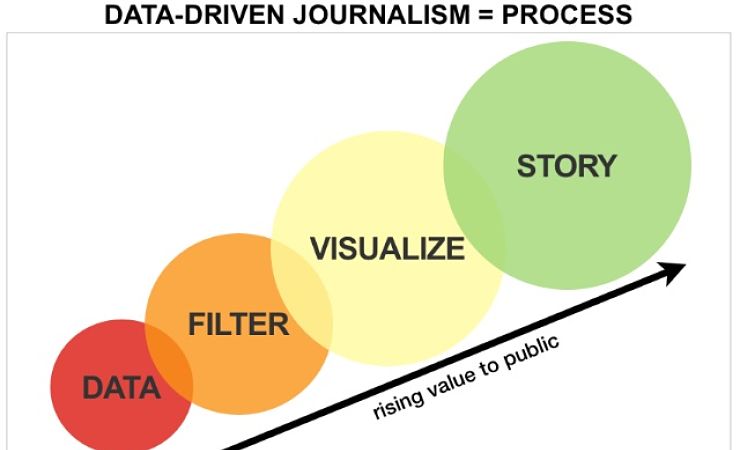
Gone are the days when science journalism was like sports journalism, where the action was watched from the press box and simply conveyed. News outlets have stepped onto the field. They are doing the science themselves.

The Royal Swedish Academy of Sciences has awarded this year’s Nobel Prize in Economic Sciences to the American economists Robert E. Hall […] Four Americans working in the social and behavioral sciences are among the 20 people named MacArthur Fellows this year. Recipients may be […] Euan Adie, the founder of Altmetric and later of Overton, discusses the reasons the led to Overton’s focus on showing researchers how […] The following is an adapted extract from The Cultural Industries, fifth edition, by David Hesmondhalgh. The increasing presence of information technology (IT) […] Developers of AI data centers have a public trust problem. According to multiple surveys, a majority of Americans say they would oppose […] I was adding some final flourishes on the topic of ‘iatrocracy’ to my forthcoming book with Natewindé Sawadogo – Sickness and Social […]
EXPLORE
Impact

Economic Peaks, Troughs and This Year’s Nobelists in Economics
READ MORE
Four From Social Science World Receive 2026 MacArthur Fellowships
READ MORE
Quick Insight: Euan Adie on Getting Academics Credit for Their Impact
READ MORE
Innovation
IT Giants and Their Operations: Should We Be Concerned?
READ MORE

What We Miss When We Study Public Trust with Surveys Alone
READ MORE

AI and ‘Iatrocracy’ – A Cautionary Tale
READ MORE