

Could Distributed Peer Review Better Decide Grant Funding?
The landscape of academic grant funding is notoriously competitive and plagued by lengthy, bureaucratic processes, exacerbated by difficulties in finding willing reviewers. Distributed […]
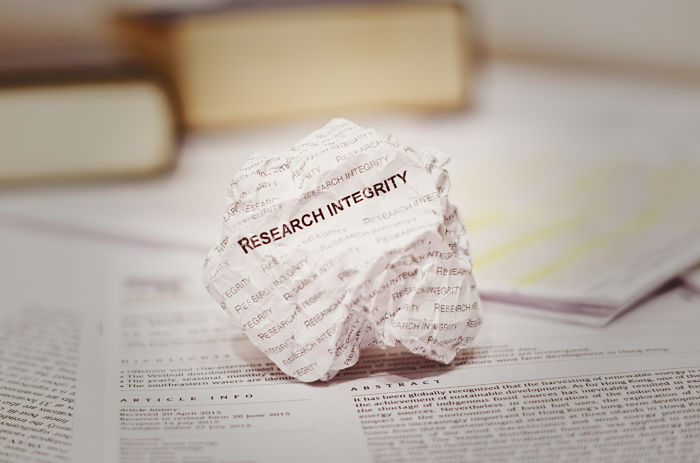
Ideally, advocates say, government-sponsored scientists should follow their research where it leads, talk about it honestly and freely with the press and the public, and release unaltered information about their findings. A bill that’s currently stuck in committee would help guarantee that.

Over the last three decades randomized trials have become an increasingly popular way of testing interventions designed to address developmental challenges. But do RCTs generate reliable results – or even retard progress?
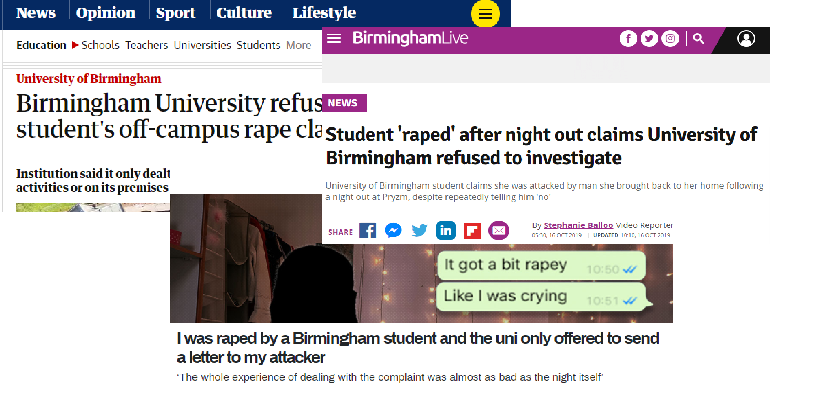
Universities in effect, argues our Robert Dingwall, are asked to exercise all the responsibilities of parents and to act as a secular equivalent of the medieval church as the conscience of the nation.
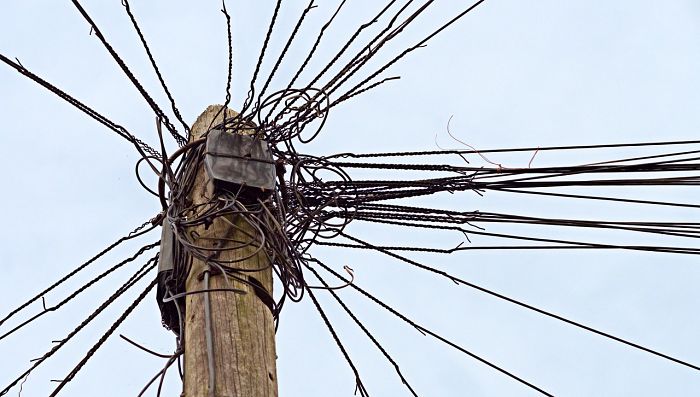
Here’s a clear, scientific reason drawn from the field of complexity economics to combat rising inequality: good business models that serve many people are becoming less profitable. Solid entrepreneurial ideas that would benefit everyone get passed over when there are easier opportunities to make money by catering to a few individuals with a whole lot of dollars to spend.
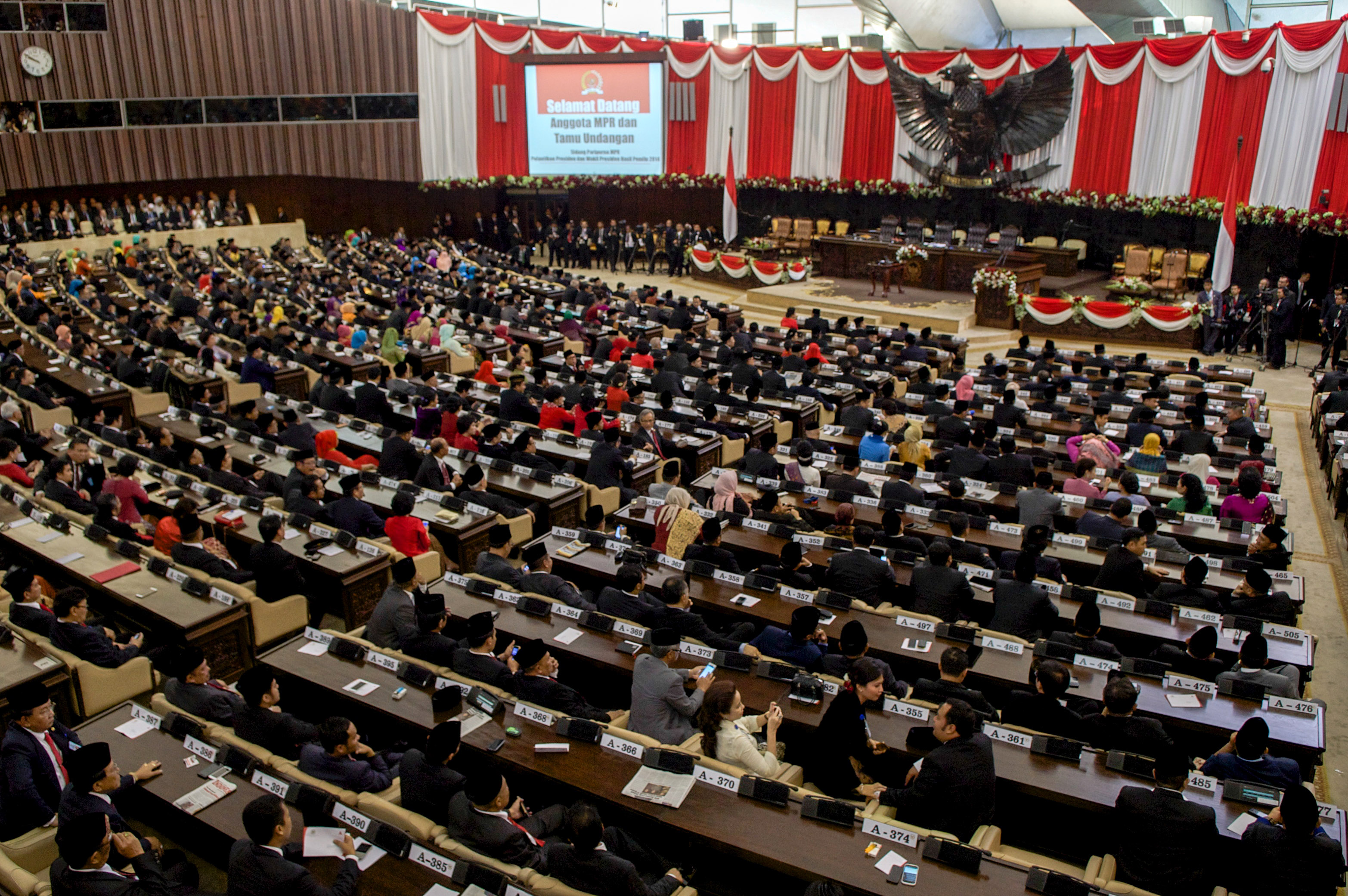
Our study, Doing Research Assessment, shows Indonesian policy-making is predominantly informed by research with poor theoretical engagement, with no strong tradition of peer review and with legal threats to academic freedom.
While considerations of the impact of science and the military often focuses on weaponry, social science has also contributed to the lives of the warriors themselves. Here, Leanne Knobloch and Steven Wilson outline four specific contributions on this Veterans’ Day.
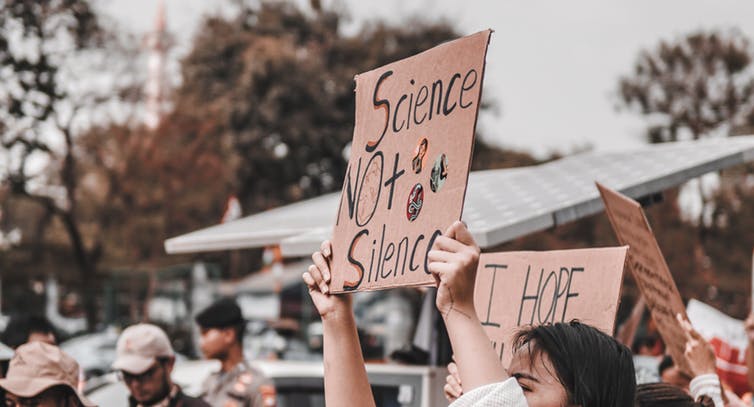
Despite warnings from universities (under government pressure), thousands of students in Indonesia protested controversial bills. What role, if any, should academics play in the support and encouragement of student protesters?
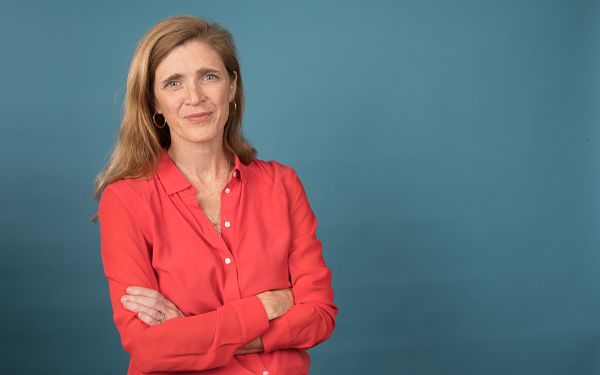
Just after Samantha Power’s American Academy of Political and Social Science Daniel Patrick Moynihan Prize lecture earlier this month, Social Science Space flagged her down to get some advice on navigating these abutting realms.

Jürgen Habermas, a globally known social theorist whose explorations of democracy, validity and communication have gained new prominence in the current moment, […] People often see science as a world apart: cool, rational and untouched by persuasion or performance. In this view, scientists simply discover […] “Research impact” means different things to different people. Some refer broadly to how science changes behaviors, beliefs, or practices outside academic institutions. […] David Canter considers informal places where people socialize, suggesting they’re an arena ChatGPT and other LLMs can’no’t replicate. As someone who lives […] It’s become cliche since Clive Humbly coined it in 2006, but data is indeed the new oil. It’s a mantra repeated by […] In September 2025, The Guardian reported about a lawyer in Australia having faced sanctions due to false citations. These citations were not […]
EXPLORE
Impact

Jürgen Habermas, 1929-2026: Exponent of the Public Sphere
READ MORE

Scientists Should Keep in Mind It’s Called the ‘Marketplace of Ideas’ for a Reason
READ MORE

Survey Finds Social Scientists Feel Unsupported in Seeking Societal Impact
READ MORE
Innovation

Reaching Parts to Which AI Has No Access
READ MORE

Andrea Medina-Smith on Making Research Data More FAIR
READ MORE

A Status Check on Hallucinated Case Law Incidents
READ MORE