


Could Distributed Peer Review Better Decide Grant Funding?
The landscape of academic grant funding is notoriously competitive and plagued by lengthy, bureaucratic processes, exacerbated by difficulties in finding willing reviewers. Distributed […]
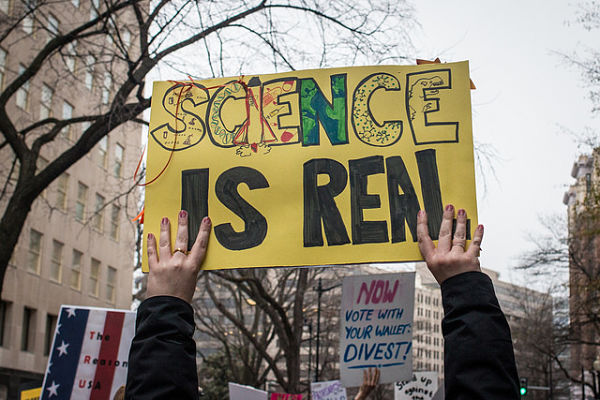
With science on the defensive for the time being, and the the fear of retribution palpable, the long-standing question of whether scientists should ever become advocates has come into sharper focus.

With a large portion of social and behavioral science basic research paid for by the United States government, how the funding process works and who makes the decisions is of vital interest. Here’s a primer on the process and list of key players in the 115th Congress. Plus, sign up for a webinar on the issue!
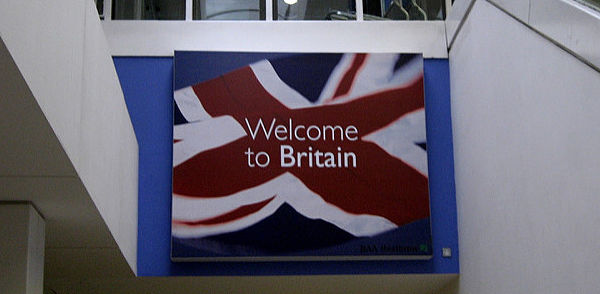
In the wake of the Brexit vote, our Daniel Nehring insists, academia’s arguments in favor of an open society have remained surprisingly weak.
Our Howard Silver looks over some of the personnel changes and rhetoric coming from the White House to see what lies down the road for U.S. government support of social and behavioral science and data collection.
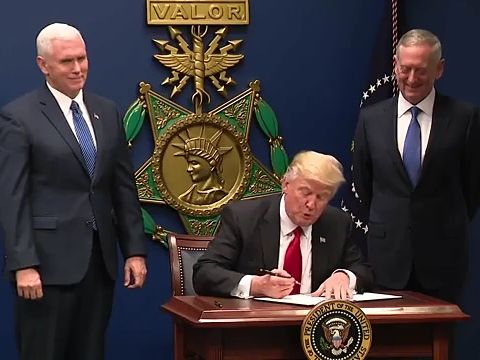
What might Donald Trump’s ban on immigration from seven countries mean for the U.S. role in international education? And will it undermine the use of international higher education as a soft power tool for the United States? A scholar of international education gives his view.
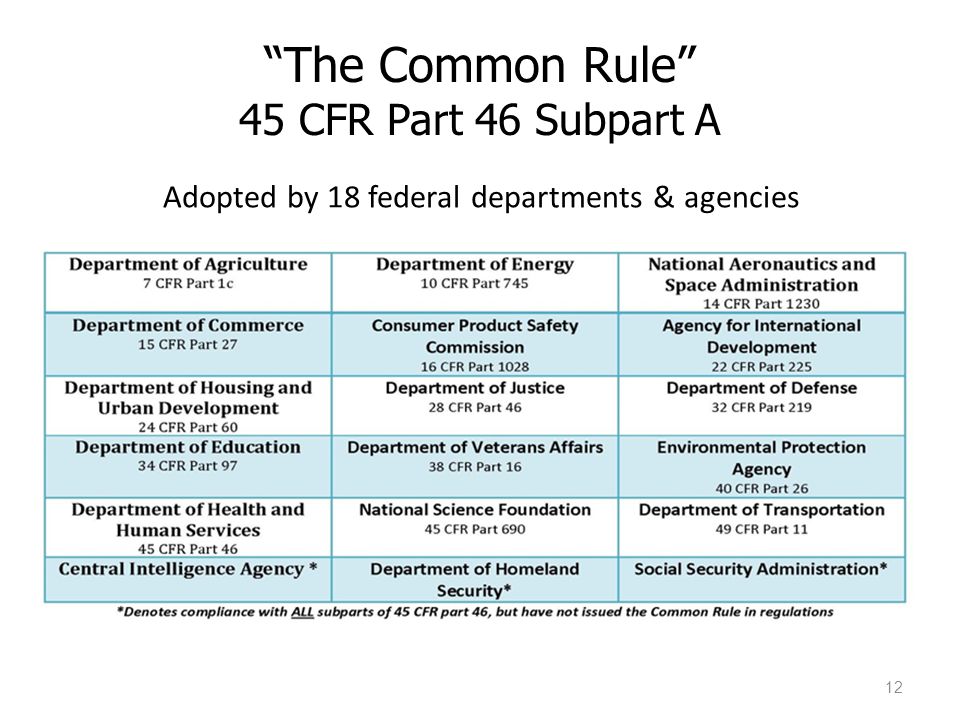
The rush to publish a revised Common Rule for federally funded human research in the United States has created a flawed regulatory regime, says Robert Dingwall., Time to tear the whole edifice down and start over, he suggests.
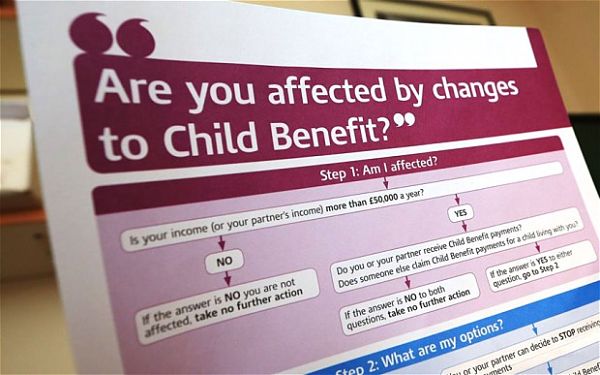
Failures to participate in expected commitments, such as not turning up for doctors’ appointments or not taking up benefits like free school meals or welfare payments, are aspects of what Robin G. Milne designates as ‘civic disengagement.’

Several recent high-profile incidents suggest that the confidentiality promises routinely made by social scientists have little in the way of legal support.

Jürgen Habermas, a globally known social theorist whose explorations of democracy, validity and communication have gained new prominence in the current moment, […] People often see science as a world apart: cool, rational and untouched by persuasion or performance. In this view, scientists simply discover […] “Research impact” means different things to different people. Some refer broadly to how science changes behaviors, beliefs, or practices outside academic institutions. […] David Canter considers informal places where people socialize, suggesting they’re an arena ChatGPT and other LLMs can’no’t replicate. As someone who lives […] It’s become cliche since Clive Humbly coined it in 2006, but data is indeed the new oil. It’s a mantra repeated by […] In September 2025, The Guardian reported about a lawyer in Australia having faced sanctions due to false citations. These citations were not […]
EXPLORE
Impact

Jürgen Habermas, 1929-2026: Exponent of the Public Sphere
READ MORE

Scientists Should Keep in Mind It’s Called the ‘Marketplace of Ideas’ for a Reason
READ MORE

Survey Finds Social Scientists Feel Unsupported in Seeking Societal Impact
READ MORE
Innovation

Reaching Parts to Which AI Has No Access
READ MORE

Andrea Medina-Smith on Making Research Data More FAIR
READ MORE

A Status Check on Hallucinated Case Law Incidents
READ MORE