




Could Distributed Peer Review Better Decide Grant Funding?
The landscape of academic grant funding is notoriously competitive and plagued by lengthy, bureaucratic processes, exacerbated by difficulties in finding willing reviewers. Distributed […]

What is missing in current research and practice is an understanding of megaprojects as a complete production system—from planning through design, manufacturing, and
construction, to integration and handover to operations. Thinking about megaprojects as
production systems may help us understand how the different dimensions—the six themes
identified in our research—work together to achieve a project’s goals and deliver valuable
outcomes.

A study published this month, “How Academic Freedom Is Monitored,” aims to assist STOA in the creation of its monitoring platform. The study, authored by Gergely Kováts and Zoltán Rónay of the European Parliamentary Research Service, reviews the existing approaches used to monitor academic freedom and presents new policy options.

In 2008, I published my book Visible Learning, which aimed to explain what works best to help student learning. At the time, others claimed it was the world’s largest evidence-based study into the factors that improve learning.

To address institutional barriers facing Black researchers, Canada’s Social Science and Humanities Research Council released the report, “Advisory Committee to Address Anti-Black Racism in Research and Research Training.”
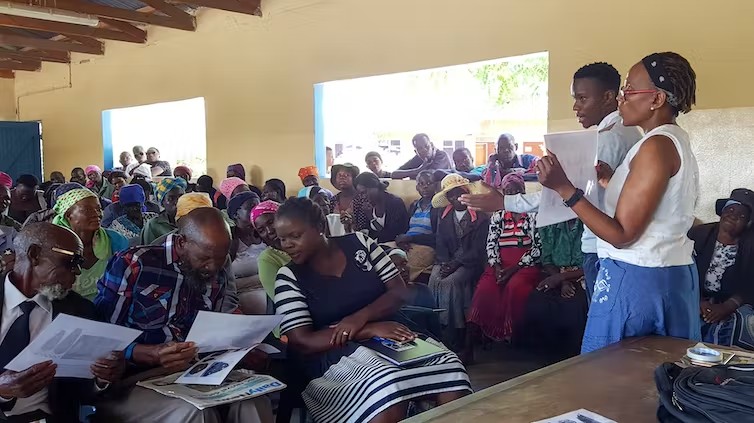
In the words of of one Botswanan: “There is a lot of mistrust. People come here with their research vehicles, but they do not talk to us. They do not involve us.”
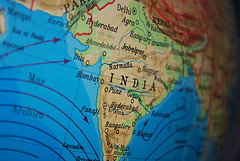
India presents a rich context for research on work and employment, epitomizing the paradox of being the world’s fifth-biggest economy but one where 92.4 percent of the workforce is informal – insecure, unprotected, poor – and women and disadvantaged groups most vulnerable.
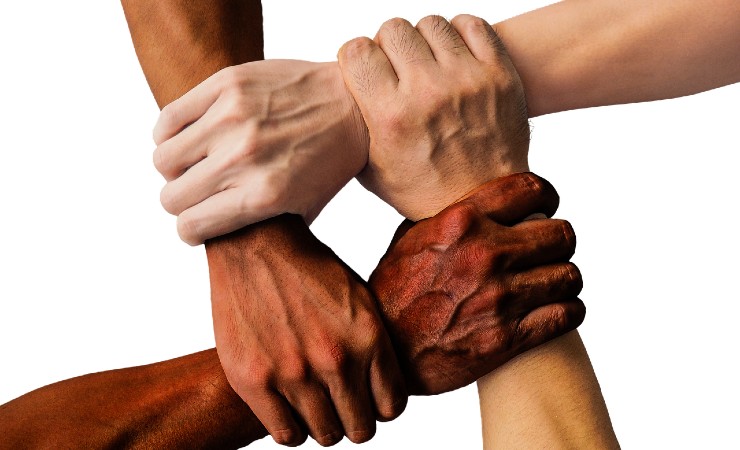
The author and her colleagues identified four practical ways that a complementary use of ubuntu can positively shape how research is done.

Research is highly difficult during global crisis, such as the COVID-19 pandemic has demonstrated, but at the same time essential, again as […]

People often see science as a world apart: cool, rational and untouched by persuasion or performance. In this view, scientists simply discover […] “Research impact” means different things to different people. Some refer broadly to how science changes behaviors, beliefs, or practices outside academic institutions. […] One researcher studies how war affects children, another took a literal worm’s eye view to examine rural development, while two others scrutinized […] David Canter considers informal places where people socialize, suggesting they’re an arena ChatGPT and other LLMs can’no’t replicate. As someone who lives […] It’s become cliche since Clive Humbly coined it in 2006, but data is indeed the new oil. It’s a mantra repeated by […] In September 2025, The Guardian reported about a lawyer in Australia having faced sanctions due to false citations. These citations were not […]
EXPLORE
Impact

Scientists Should Keep in Mind It’s Called the ‘Marketplace of Ideas’ for a Reason
READ MORE

Survey Finds Social Scientists Feel Unsupported in Seeking Societal Impact
READ MORE

Canada’s SSHRC Names 2025 Impact Winners
READ MORE
Innovation

Reaching Parts to Which AI Has No Access
READ MORE

Andrea Medina-Smith on Making Research Data More FAIR
READ MORE

A Status Check on Hallucinated Case Law Incidents
READ MORE