


Could Distributed Peer Review Better Decide Grant Funding?
The landscape of academic grant funding is notoriously competitive and plagued by lengthy, bureaucratic processes, exacerbated by difficulties in finding willing reviewers. Distributed […]
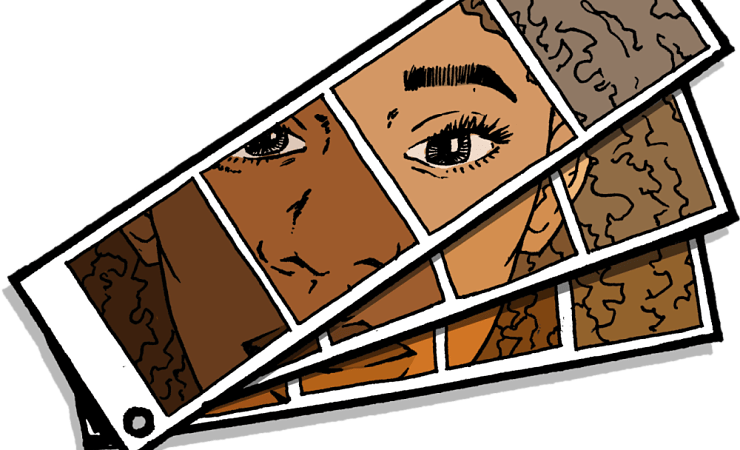

While fundraising is time-consuming and entails costs, entrepreneurs might be tempted to “test the water” by simply soliciting investors’ interest before going through the lengthy process. Digitalization of finance has made it possible for small business to run equity crowdfunding campaigns, but also to initiate a TTW process online and quite easily.
In the previous post Mathew Flinders identified the ways in which collaborative research touches the emotions of academics and places different kinds of demands […]

The simple fact is that deep, embedded, collaborative research whereby researchers work hand-in-hand with community participants in order to reveal new perspectives […]
What does Congress want from the National Science Foundation? This content analysis study conducted by Alison Beatty, Arthur Lupia and Stuart Soroka discusses the general trends and focuses on the NSF by Congress based on remarks made between 1995 to 2018.
In a paper published by Royal Society Open Science, a team of researchers ask a more detailed question of the process, “Are replication rates the same across academic fields?’
Unfunded research takes time and money for already stretched academics. Yet it makes up over a quarter of all research carried out in British universities. Rosalind Edwards spoken to academics about why they do unfunded research.
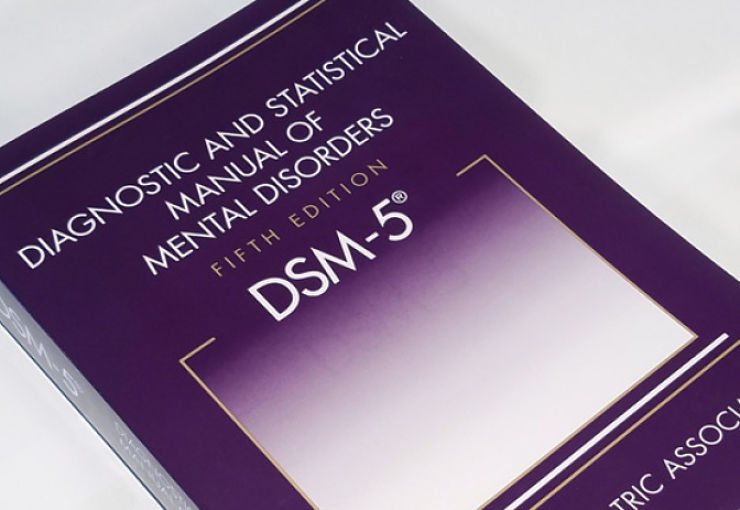
Fabian Fabiano and Nick Haslam researched whether the standard manual of psychiatry was creating runaway diagnostic inflation. Here they explain what they found.

Much has been discussed in recent years about research practices in social sciences. Debates around acceptable research practices has sometimes been contentious, […]

The Royal Swedish Academy of Sciences has awarded this year’s Nobel Prize in Economic Sciences to the American economists Robert E. Hall […] Four Americans working in the social and behavioral sciences are among the 20 people named MacArthur Fellows this year. Recipients may be […] Euan Adie, the founder of Altmetric and later of Overton, discusses the reasons the led to Overton’s focus on showing researchers how […] The following is an adapted extract from The Cultural Industries, fifth edition, by David Hesmondhalgh. The increasing presence of information technology (IT) […] Developers of AI data centers have a public trust problem. According to multiple surveys, a majority of Americans say they would oppose […] I was adding some final flourishes on the topic of ‘iatrocracy’ to my forthcoming book with Natewindé Sawadogo – Sickness and Social […]
EXPLORE
Impact

Economic Peaks, Troughs and This Year’s Nobelists in Economics
READ MORE
Four From Social Science World Receive 2026 MacArthur Fellowships
READ MORE
Quick Insight: Euan Adie on Getting Academics Credit for Their Impact
READ MORE
Innovation
IT Giants and Their Operations: Should We Be Concerned?
READ MORE

What We Miss When We Study Public Trust with Surveys Alone
READ MORE

AI and ‘Iatrocracy’ – A Cautionary Tale
READ MORE